

The Fare, Explained At Last
Battle Ground WA Airport Transfers Nineteen Miles Shouldn't Cost Double.
Every ride you have ever taken was priced by one of five machines: a meter counting fifths of a mile, an algorithm pricing the moment, a zone map, a flat fare, or an hourly block. Which machine your operator uses matters more the further from the airport you live, because two of the five quietly bill Battle Ground's nineteen miles to Portland International Airport (PDX) twice, once out, once for the empty ride back. This guide opens all five machines, shows why the biggest taxi regulators in America price named airport routes flat instead of metering them, and explains the one we run instead.
By Ilyas KhairiFounder, Marquee ChauffeurLicensed and permitted since 2018
- Licensed & Permitted
- $1M Insured
- 5.0 / 198 Reviews
- W-2 Chauffeurs
- 35-Point Inspection
Last updated: September 23, 2026
By Ilyas Khairi, Founder of Marquee Chauffeur · Licensed and permitted since 2018 · Updated September 23, 2026
TL;DR
Meters bill distance, so outer suburbs pay most; dynamic pricing bills demand, so airports and holidays pay most; and the deadhead, the empty return leg, gets billed or absorbed either way. Even New York's taxi regulator runs a $70 flat fare between Manhattan and JFK because meters break at airports. Our answer is the booked block: about $185 in the S90 for the Battle Ground to Portland International Airport (PDX) transfer, locked at booking, no surge, no rural surcharge, no deadhead fee.
The transfer-versus-hourly product logic lives on the booking products guide, the seven planning mistakes on the mistakes guide, and the first-timer's walkthrough on the booking guide.
01 The Five Machines
Every Fare You've Ever Paid,
Sorted By Its Pricing Engine.
The taxonomy is short. The meter: New York's official structure, three dollars down and seventy cents per fifth-mile, pure distance at $3.50 a mile, switching to time in traffic. The algorithm: Uber's own pricing page lists base fares, time, distance, tolls, booking fees, and surge stacked into an upfront number that prices the moment. The zone map: Washington DC ran one for decades, and vestiges survive nationwide. The flat fare: one route, one price, no meter. And the hourly block: the vehicle's time, bought outright. Everything you have ever paid at a curb was one of these five, and each treats Battle Ground's geography differently.
The meter's honest math
At metered rates in the NYC ballpark, nineteen miles runs toward seventy dollars before tip and traffic time, each mile billed identically whether it crosses a city or a prairie. Meters are transparent and fair by their own logic; their logic just happens to be a tax on living past the city line.
The algorithm's mood
Surge, by Uber's own explanation, prices scarcity: too many requests, too few cars, multiplier applied. The hundred-comment threads asking why tonight's ride costs triple are describing the feature, not a bug, and outer suburbs meet it worst because their car supply is thinnest exactly when needed.
The airport's hidden line items
Airports levy per-trip fees on rideshare that ride along to the receipt, and riders report airport-origin surge on top of them, since arriving flights concentrate demand. The trip home from a terminal is structurally the most expensive version of any route, which locals discover annually.
Portland's local wrinkle
The metro adds its own geography-based line: Portland code collects a fifty-cent surcharge on taxi and rideshare trips originating inside city limits, per the city's own FAQ, and mandates working meters in every cab. Even the half-dollar knows where you got in; pricing is geography all the way down.
02 The Outer-Suburb Penalty
Why Distance Pricing Bills
Battle Ground Twice.
Here is the mechanism the fare never itemizes: when a metered or dynamic ride carries you nineteen miles north and drops you at a Battle Ground door, the vehicle faces nineteen empty miles back toward its next likely fare. The industry calls those deadhead miles, and every pricing model handles them somewhere, billed as long-distance surcharges and return fees in some markets, absorbed into higher per-mile rates in others, or expressed as the rideshare driver who simply declines the trip, the outcome north county residents report in their own words across our Battle Ground guides. So distance pricing bills the outer suburbs twice over: the return leg gets folded into the fare, or the trip gets declined outright, and both versions arrive without a line item.
The decline, decoded
When rides north of Vancouver get ignored, the forums' recurring report, it is deadhead math wearing a shrug: the algorithm pays the driver for your miles, not the empty ones home, so they cherry-pick geography. The system is not hostile to Battle Ground; it is indifferent, which lands identically at 5 a.m.
The double-surge trap
The outer-suburb round trip meets dynamic pricing at both ends: thin supply at home for the outbound, airport-origin demand for the return. Riders puzzled that the short direction costs more than the long one are watching demand pricing override distance entirely, the algorithm's quiet confession that miles were never really the product.
What fairness would look like
A pricing model fair to outer suburbs would charge the trip's real resource, professional time, at a rate known in advance, with the operator's return leg planned into the schedule rather than billed to the rider. That model exists; it is the last of the five machines, and it is below.
The comparison, priced
Run the nineteen miles through the machines: meter arithmetic at New York's published rates would land near seventy dollars each way plus extras; dynamic pricing spans forty to whatever the moment demands; and the booked block below runs about $185 one way for the whole staffed transfer, identical on a peak travel Sunday and an empty Tuesday. Geography stops being a penalty the moment the engine changes.
03 The Regulators' Confession
Even The Meter's Owners
Set Flat Fares On Named Airport Routes.
The strongest endorsement of flat pricing comes from the meter's greatest champions. New York's taxi regulator, running the most famous metered fleet on earth, sets a $70 flat fare between Manhattan and JFK, raised from $52 because the number matters enough to maintain. Philadelphia's parking authority meters the city at three dollars a mile yet publishes a $32 flat rate from the airport to Center City. When the institutions that own the meters take a named airport route off the meter, the principle is settled: where the trip is high-stakes and the route is known, predictability beats the meter, by the regulators' own hand.
We simply apply the regulators' airport logic to every trip: (503) 706-8662.
Why airports broke the meter
Airport trips concentrate everything meters price worst: variable traffic, high stakes, travelers who cannot shop mid-ride, and disputes nobody wants at a curb. The flat fare traded the meter's precision for the traveler's certainty, and the trade proved so correct that it spread between rival cities' rulebooks.
Zones, the honorable ancestor
Zone systems (Washington's capital ran one for roughly seventy-five years) were flat pricing's first draft: geography chunked into predictable fares. They died of boundary disputes, but their instinct, that riders deserve to know the price before the ride, survived into every flat fare and booked block since.
The industry's version
Chauffeured operators standardized on the same conclusion from the service side: hourly and flat pricing, no meter, no surge, the price locked before travel, because the industry's product is the plan, not the mileage. The trade sources this program cites say it in nearly those words, and the 2026 pricing guide says it in numbers.
What the flat number contains
A booked block prices everything the meter itemizes and the algorithm surges: the professional's time both directions, the vehicle, insurance, the staging, the waiting. Nothing rides along uninvoiced because nothing is left outside the number, which is the entire definition of a quote.
04 Our Machine
The Booked Block, And Why
Geography Doesn't Move It.
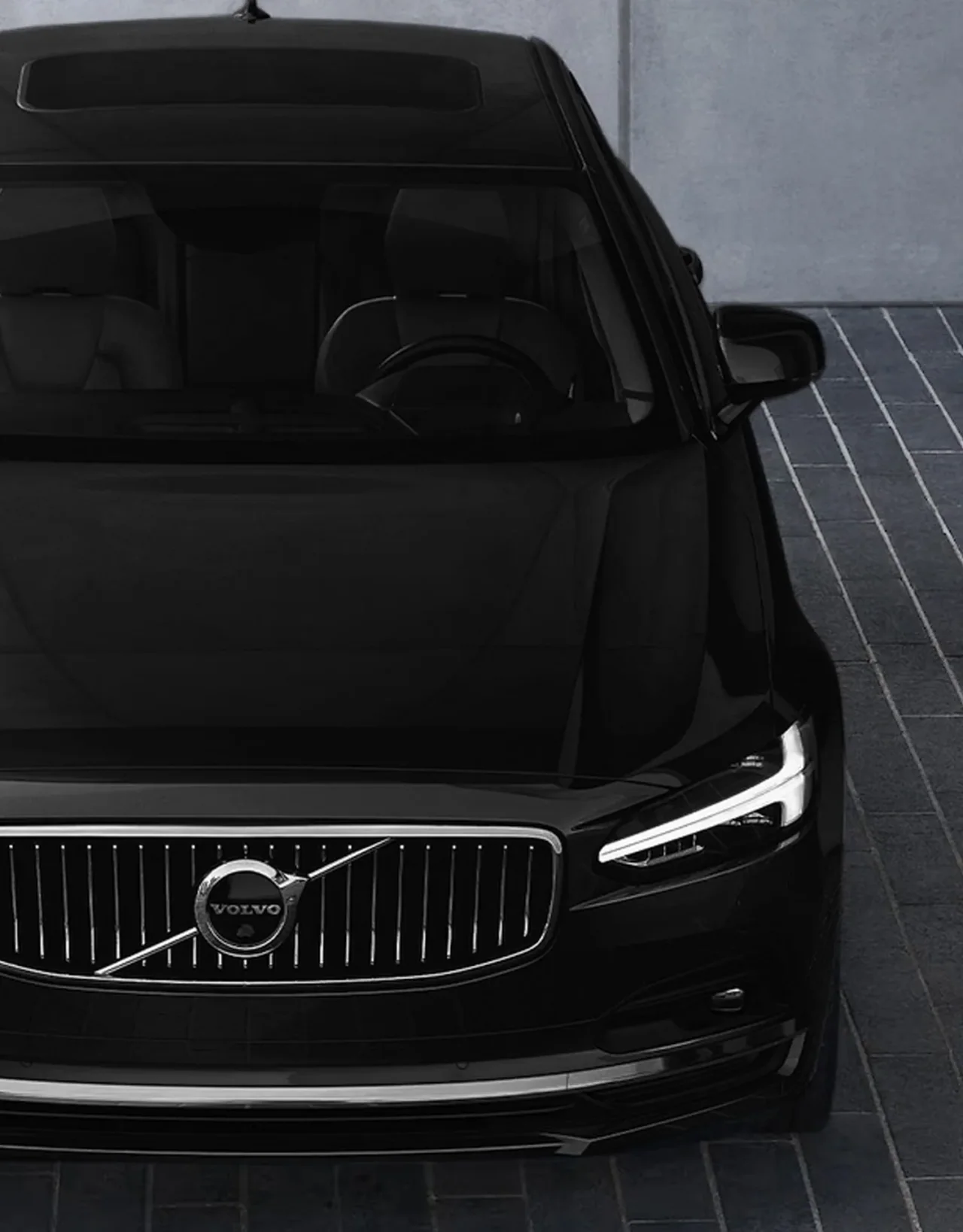
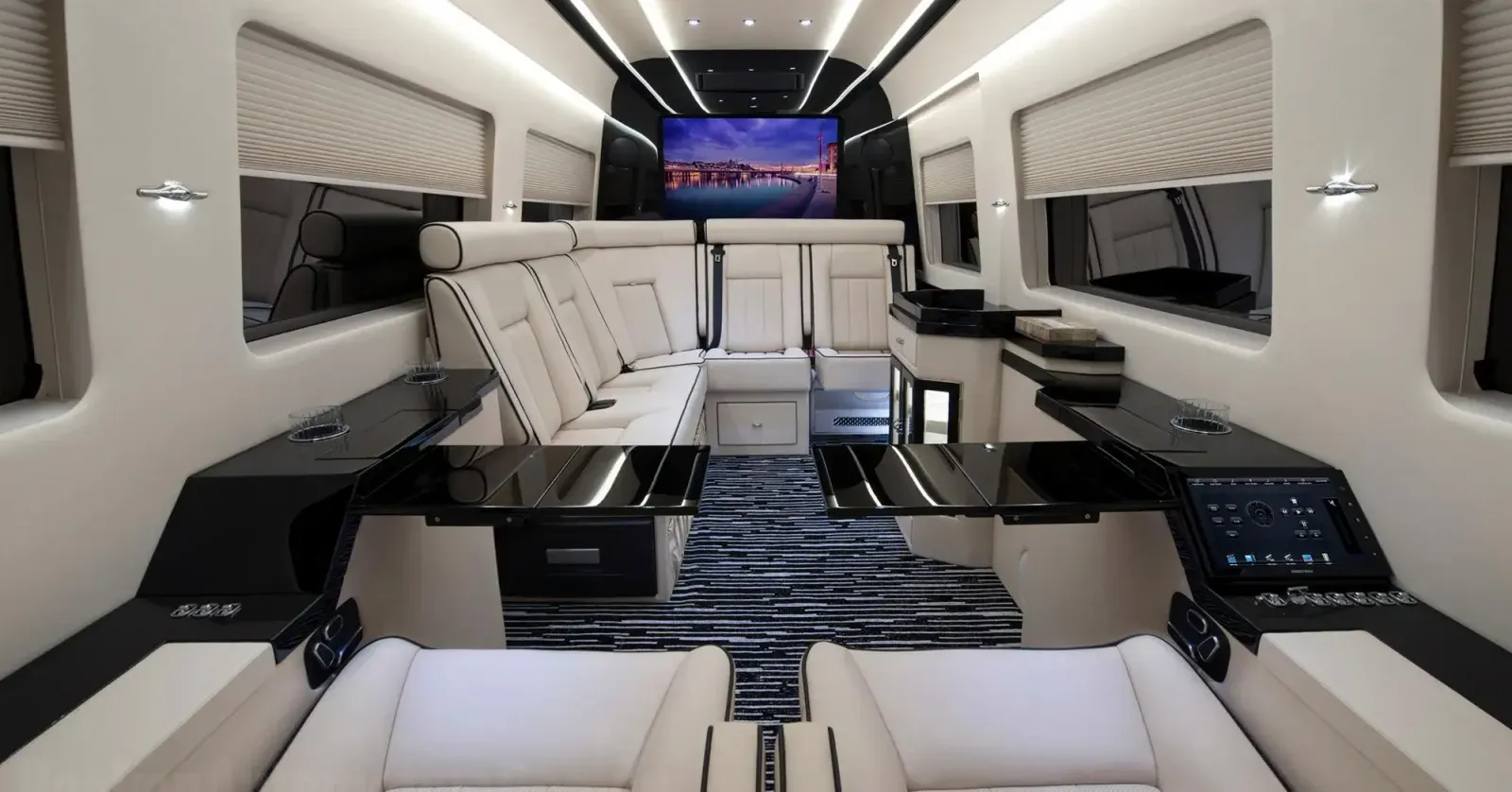
Our engine is the fifth machine, the hourly block, and the airport transfer off it is quoted point to point: the Battle Ground transfer books about two hours door to curb, roughly $185 in the S90, $270 in the Escalade ESV, $430 in the Sprinter, the number stated at booking and immune to the calendar, the weather, and the hour. The deadhead is our scheduling problem, solved by routing the day, never a surcharge; the return empty miles belong to dispatch, not your receipt. No rural surcharge exists because the model has nowhere to hide one, and the peak travel Sundays that spike every dynamic fare in the county arrive here priced like a Tuesday. Nineteen miles was never the problem; the machine billing them was. Headcount and luggage decide the class, and the PDX vehicle selection guide sorts it before dispatch prices the run.
Booked-block, defined
The quote covers your booked trip at the vehicle's flat rate, not garage-to-garage time, not mileage bands, not fuel lines. The product-definition deep dive lives on the booking products guide; the Battle Ground translation is one sentence: the number you approved is the number you pay.
Where the model earns hardest
Predawn departures, peak-travel-Sunday returns, and the north county geography the algorithms cherry-pick against: everywhere dynamic pricing peaks, the locked block holds still, which makes the outer suburb, ironically, the flat model's best customer. The penalty was never yours; it was the engine's.
Reading any quote, anywhere
This guide doubles as a vetting tool: ask any operator which machine prices your trip, meter, algorithm, zone, flat, or block, and what rides outside the number. The honest ones answer in a sentence; the rest have just told you where the receipt will grow.
The whole north county kit
Pricing is one chapter of the Battle Ground file our guides have built: the booking walkthrough, the rural pickup craft, the planning mistakes, the event geography. Every chapter runs on the same rates, with FlightAware tracking and the 30-minute grace window (45 on international arrivals) on every airport leg, and event work books through Battle Ground limo service.
Frequently Asked
Questions, Answered.
How is a taxi fare calculated?
By meter: a flag-drop base plus a per-distance increment, with the meter switching to time-based billing in slow traffic. New York's official structure is the clean example, three dollars to start and seventy cents per fifth of a mile, which works out to $3.50 a metered mile. Distance pricing in its purest form, and the further you live, the more purely it charges you.
Are taxi fares calculated by time or distance?
Both, switching automatically: above a threshold speed the meter bills distance, below it the meter bills time, so congestion and mileage each get charged. For an outer-suburb run like Battle Ground's nineteen miles, distance dominates the fare on a clear road and traffic piles time charges on top when it is not.
How to avoid Uber surge pricing?
Uber's own explanation is that surge exists when demand outruns nearby drivers, so avoidance means flexibility: wait it out, walk away from hot zones, or travel off-peak. The structural answer for unmissable trips is different pricing altogether, a rate locked at booking that has no surge to avoid, which is what pre-arranged service is.
Does Uber charge more for airport pickups?
Often, twice over: airports commonly impose per-trip fees that ride along on the fare, and riders report airport-origin surge because demand concentrates where planes land. Both mechanics are legitimate and both are invisible until the receipt, which is the recurring complaint the forums file after every trip home.
Why is Uber so ridiculously expensive now?
The riders asking this in hundred-comment threads are usually meeting dynamic pricing at its honest worst: base plus time plus distance plus surge plus fees, each moving independently. Nothing is broken; the model is working as designed, pricing the moment rather than the trip, which is exactly what a fixed quote exists to opt out of.
Which of the five pricing machines sets the Battle Ground transfer fare, and at what number?
The fifth machine, the booked block, quoted firm at booking: about $185 in the Volvo S90 for the roughly nineteen-mile Battle Ground to Portland International Airport (PDX) run, $270 in the Escalade ESV, $430 in the Sprinter, with the 20 percent service fee already inside the number. Hourly charters run $110 to $190 an hour with a three-hour minimum that applies to hourly work only, and gratuity is optional, never added to a bill.
When should the flat Battle Ground quote be locked in?
Lock it 24 to 48 hours ahead for an ordinary date; the quote reads the same either way, so earlier booking buys vehicle certainty rather than a better price. Returns on peak travel Sundays and holiday weeks warrant more lead, because demand for the locked number peaks exactly when dynamic fares spike. Same-day, dispatch at (503) 706-8662 still quotes firm, subject to availability.
What happens if the inbound flight lands late on a Battle Ground airport transfer?
Nothing changes on your side. Every airport leg carries FlightAware tracking and a 30-minute grace window after touchdown, 45 minutes on international arrivals, so a late inbound does not start a clock against you. Flights that are delayed or cancelled are never charged. The booked block was locked at booking, so the quoted number holds either way.
About the Author
Ilyas Khairi runs Marquee Chauffeur under Portland Bureau of Transportation certification held since 2018, with $1 million in commercial liability and W-2 chauffeurs on payroll. He chose the booked-block engine the day he priced his first Battle Ground run, on the theory that a client's zip code is geography, not a surcharge, and nineteen miles of it never changed his mind.
Verified Google Reviews
What Portland clients say about Marquee Chauffeur.
I spent six hours touring the Columbia River Gorge with the owner of this service, and I was really impressed with his professionalism, attentiveness, and local knowledge. As he says, they really are like a chauffeur/concierge, not just taking you from one place to another but providing a full experience. I look forward to riding with them again on my next trip.
Edris — has absolutely hands down have to be the best driver ever. I would absolutely recommend his service! He's so professional, so efficient. On time and so respectful!
These guys are terrific. Two thumbs up. Found them online and got excellent personal service. Used them to get from PDX to about two hours away …. And then back to PDX a few days later. On time. Super professional drivers. Vehicles in spectacular shape. Brand new. They will be out go to service. We recommend them highly.
Marquee Chauffeur holds a 5.0 rating across 198 Google reviews. Read every review on Google.
Reserve Your Chauffeur
Reserve a Portland
Chauffeur Now.
Get the number before the ride, and keep it after: (503) 706-8662, available 24/7. Battle Ground transfers at about $185 in the Volvo S90, $270 in the Escalade ESV, $430 in the Sprinter, locked at booking with no surge, no rural surcharge, and no deadhead fee, FlightAware tracking and a 30-minute arrival grace window (45 on international arrivals) on every airport leg, under Portland private-for-hire permitting since 2018 with $1 million in commercial liability.