


The Two Products, Explained
Lake Oswego Airport Transfers Transfer Or Hourly? Choose Right.
Every chauffeur operation on earth sells exactly two products, and most clients have only ever been quoted one. The transfer is a route: point A to point B, fixed time, fixed rate. The hourly hold is the vehicle's time: a car and chauffeur at your disposal, going where the day directs. Search engines cannot even define the second one, ask Google what as-directed means and it answers with pharmacy labels, so this guide does the industry's defining for it, with the break-even math attached.
By Ilyas KhairiFounder, Marquee ChauffeurLicensed and permitted since 2018
- Licensed & Permitted
- $1M Insured
- 5.0 / 198 Reviews
- W-2 Chauffeurs
- 35-Point Inspection
Last updated: September 23, 2026
By Ilyas Khairi, Founder of Marquee Chauffeur · Licensed and permitted since 2018 · Updated September 23, 2026
TL;DR
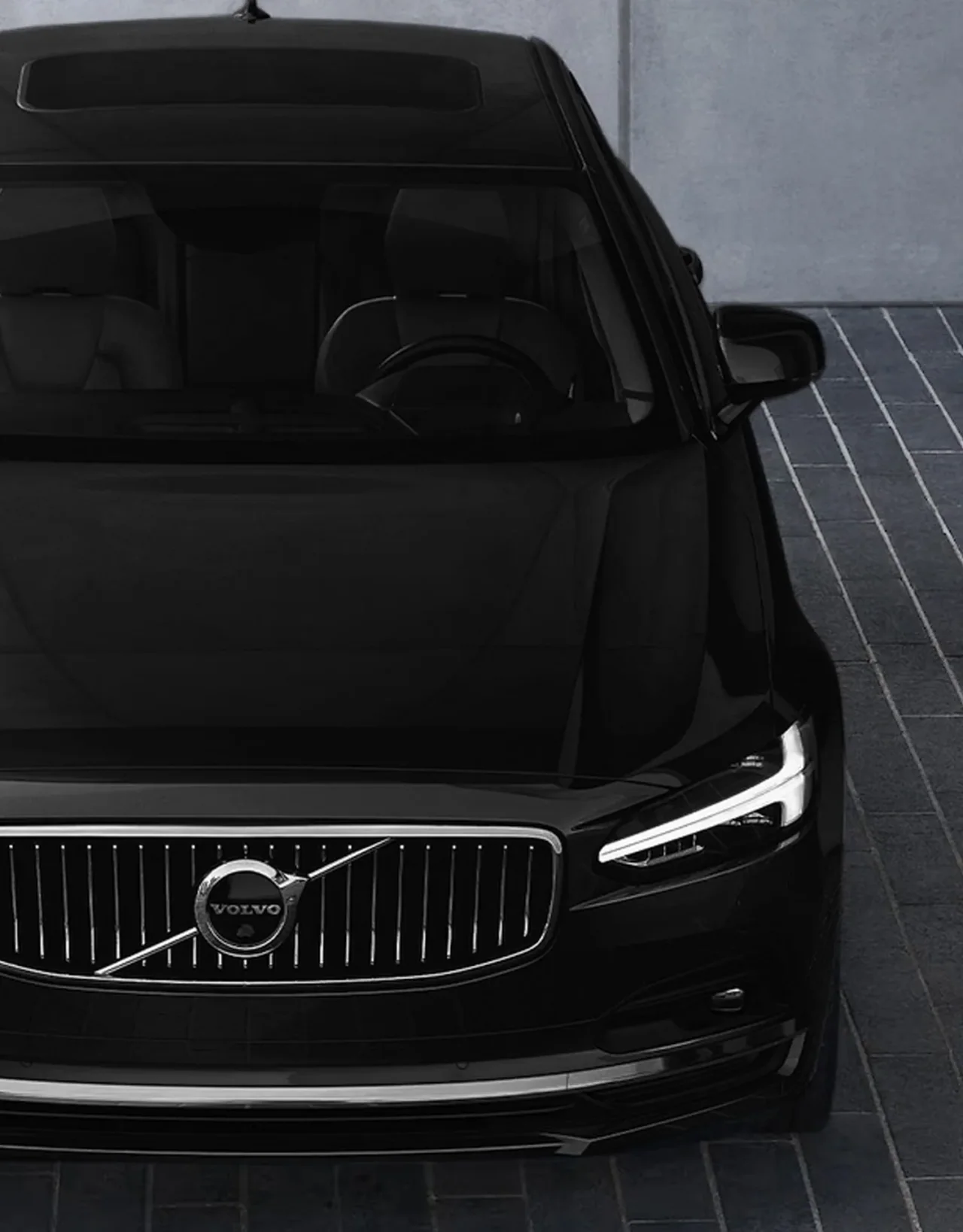
Book the transfer when the trip is one ride with a fixed plan, the airport run is its perfect form, about $155 in the S90 from Lake Oswego. Book the hourly hold once the day has three or more stops, fluid end times, or two trips under two hours apart: a four-hour hold at $440 beats three separate transfers at $660, and the car never leaves you. The industry's own rule, efficiency versus control, decides every case.
The operation behind both products lives on the operator's view guide, estate pickup craft on the estate guide, and the full rate structure on the 2026 pricing guide.
01 The Definitions
The Two Products Behind
Every Chauffeur Quote.
Industry glossaries define them cleanly. The point-to-point transfer is a linear service, a defined route with a fixed pickup time, usually at a fixed rate that expense systems love. The as-directed hourly hold dedicates a vehicle and chauffeur to you for a period, multiple stops as the day demands, typically billed hourly against two-to-four-hour minimums, and the global operators' version, per Carey International, requires no destination at all to book. Two products, two philosophies: one buys a route, the other buys time.
Our transfer, precisely
From Lake Oswego, the airport transfer books about two hours door to curb at the vehicle's hourly rate, S90 near $155, Escalade ESV near $210, Sprinter near $340, quoted as one flat block. Unlike the industry's garage-to-garage convention, where the meter starts at the depot, your quote covers your trip, not our commute.
Our hold, precisely
The hourly hold runs $110, $135, or $165 by vehicle, gentle minimums by industry standards, with the chauffeur staged through every stop. The cabin becomes your fixed point for the day: coats stay, bags stay, and the vehicle is where you left it, always.
Why the words blur
Operators sell charters, transfers, and hourly rates interchangeably, and travelers ask forums to untangle them because nobody upstream defined terms. The untangling is one sentence: charter and hold are the same time-based product, the transfer is the route-based one, and the rate is just the meter.
The search-engine gap
Genuinely: search what as-directed means and the results explain prescription bottles. The chauffeured sense lives in industry glossaries and pages like this one, which is precisely why a client who reads five minutes of definitions negotiates better than most corporate travel bookers.
02 The Transfer's Territory
When The Fixed Route
Is The Right Buy.
The industry consensus is unambiguous: airport arrivals and departures are point-to-point territory, a clear timeline, a predictable route, minimized cost for a simple leg, the efficiency tool in the two-product toolbox. The classic Lake Oswego case is the predawn departure: one household, one flight, one route south of the lake, booked as a transfer because nothing about it will change and nothing about it should be billed as if it might. Fixed pricing also does quiet work downstream, one number for the expense report, one line for the household ledger, no reconciliation of hours nobody tracked.
The single-leg test
One ride, known endpoints, a schedule that will hold: transfer, every time. The return leg from PDX books as its own transfer with flight tracking attached, and the pair covers a whole trip with two fixed numbers decided before anyone packed.
Where fixed pricing shines
Corporate travel systems allocate fixed rates cleanly to cost centers, the industry's own argument for the format, and families budget the same way. The transfer is the chauffeured product that behaves like a plane ticket: priced once, filed once, forgotten.
The transfer's honest limit
A transfer assumes the plan; deviation triggers rebooking, revised pricing, or waiting charges, the industry's documented failure mode. The moment your day might add a stop or slip an hour, you have outgrown the product, and pretending otherwise is how travelers pay twice.
Booked right, in one line
Tell dispatch the flight and the address and say transfer; everything else, tracking, grace window, staging, attaches automatically. The product's entire virtue is that it needs no management, which is why it owns the airport leg.
03 The Hold's Territory
The Three-Stop Rule, And
The Math That Enforces It.
The industry threshold is precise: once an itinerary includes three or more stops, or meeting end times stay fluid, the hourly model becomes the superior choice. Our rates prove it in arithmetic. A Lake Oswego executive with a PDX pickup, a downtown meeting, and a ride home booked as three separate transfers pays roughly $660 in the S90; the same day as one four-hour hold costs $440, saves $155, and keeps the vehicle standing by through every overrun, computed at published rates, and typical. The companion rule: two trips with less than about two hours between them almost always price better as one hold than as two transfers.
Unsure which shape your day is? Read dispatch the itinerary and they will name the product in one minute: (503) 706-8662.
The standby asset
The hold's deepest value is not the miles; it is the standing-by, the industry calls the held vehicle a dedicated asset for exactly this reason. When the meeting runs forty minutes over, nothing rebooks, nothing renegotiates, and the afternoon absorbs the change the way the morning quote already priced.
The roadshow shape
Investor days, client tours, multi-office loops: high volatility, multiple stops, standby required, the textbook hourly case. The corporate version of this product runs through our roadshow page, and it is the booking type sophisticated assistants reach for first.
The errand-day case
The household version is just as real: a Kruse Way appointment block, a gallery stop, a PDX guest pickup folded into the afternoon. Hire the day, not the rides, and the calendar stops dictating to the car. Yes, you can hire someone to drive you around for a day; it is called Tuesday here.
The mixed-day trap
The classic mistake books a transfer, then bolts stops onto it at the curb, colliding with the product's fixed assumptions and generating exactly the waiting charges the hold exists to prevent. If the plan might grow, buy the product built to grow; the break-even forgives early commitment.

04 The One-Minute Decision
Choosing Right, Every Time,
With The Fine Print Read.
The whole guide compresses to four questions. How many stops? One or two says transfer; three or more says hold. Will the times hold? Fixed says transfer; fluid says hold. Is there dead time between legs? Under two hours favors the hold. And who is paying? Fixed rates file cleanest for single legs, while held hours consolidate a complex day into one auditable line, corporate guidance increasingly favors exactly that consolidation for high-stakes travel, with tracking and backup plans attached. Answer the four honestly and the product names itself; answer them to dispatch and it names itself with a quote attached.
The billing fine print
Ask any operator two questions before comparing quotes: does the clock run garage-to-garage or booked-block, and what is the hourly minimum? Both answers move real money, both are industry-variable, and both of ours, booked-block, gentle minimums, are stated on every confirmation.
Switching mid-stream
Plans evolve, and the products convert: a transfer that grows a stop can upgrade to a hold at the hourly rate with a call to dispatch, priced as a conversation rather than a penalty. The operator's flexibility here is itself a vetting signal worth noticing.
Both products, one standard
Transfer or hold, the operation underneath is identical: the same W-2 chauffeur, the same inspected vehicle, FlightAware tracking on every airport leg with the 30-minute grace window (45 on international arrivals), and the same discretion Lake Oswego work is built on. The products differ in shape, never in standard.
Where to go deeper
Corporate account structures live on the corporate booking guide, ongoing Lake Oswego work on Lake Oswego town car service, and every rate on the pricing guide. This page's job was the vocabulary; the booking takes one call.
Frequently Asked
Questions, Answered.
What does point to point car service mean?
A linear booking: one pickup, one destination, a fixed time and a fixed rate, the industry's definition almost word for word. The airport transfer is its classic form; from Lake Oswego ours books about two hours door to curb at the vehicle's hourly rate, and the number quoted is the number paid.
What is a car charter service?
The dedicated-vehicle product: a car and chauffeur held for a period rather than a route, billed by the hour, going wherever the day directs. The industry calls it as-directed or hourly service, some operators require no destination at all to book it, and it is the right tool the moment an itinerary has more stops than certainties.
What is the difference between a charter, a transfer, and an hourly rate?
A transfer buys a route; a charter buys the vehicle's time; the hourly rate is simply how the charter is measured. Travelers ask this on the forums because operators blur the words, and the practical test cuts through: if your day is one ride, book the transfer, and if the car should wait for you anywhere, book the hours.
Are airport transfers worth it?
For the single airport run, the transfer is the efficient tool by industry consensus: a clear timeline, a predictable route, and a fixed cost that expense reports love. Worth it compares against the alternatives this site prices honestly elsewhere; between the two chauffeured products themselves, the airport leg is the transfer's home game.
Can you hire someone to drive you around for a day?
Yes; that is precisely the hourly hold. Our S90 at $110 per hour makes a full eight-hour day $880 with a professional at your disposal throughout, and shorter holds cover the errand-day and meeting-block versions. The industry norm carries two-to-four-hour minimums; Marquee books hourly work on a flat three-hour minimum.
About the Author
Ilyas Khairi runs Marquee Chauffeur under Portland Bureau of Transportation certification held since 2018, with $1 million in commercial liability and W-2 chauffeurs on payroll. He has converted enough mid-stream transfers into holds to know the real product decision happens at booking, which is why this page teaches the vocabulary his dispatch uses daily.
Verified Google Reviews
What Portland clients say about Marquee Chauffeur.
I spent six hours touring the Columbia River Gorge with the owner of this service, and I was really impressed with his professionalism, attentiveness, and local knowledge. As he says, they really are like a chauffeur/concierge, not just taking you from one place to another but providing a full experience. I look forward to riding with them again on my next trip.
Edris — has absolutely hands down have to be the best driver ever. I would absolutely recommend his service! He's so professional, so efficient. On time and so respectful!
These guys are terrific. Two thumbs up. Found them online and got excellent personal service. Used them to get from PDX to about two hours away …. And then back to PDX a few days later. On time. Super professional drivers. Vehicles in spectacular shape. Brand new. They will be out go to service. We recommend them highly.
Marquee Chauffeur holds a 5.0 rating across 198 Google reviews. Read every review on Google.
Reserve Your Chauffeur
Reserve a Portland
Chauffeur Now.
Name the product, get the quote: (503) 706-8662, available 24/7. One ride books as a fixed transfer, S90 about $155 door to curb from Lake Oswego; a fluid day books as an hourly hold at $110, $135, or $165 by vehicle with the car standing by throughout. Booked-block billing, gentle minimums, FlightAware tracking with a 30-minute grace window (45 on international arrivals) on every airport leg, under Portland private-for-hire permitting since 2018 with $1 million in commercial liability.