


North County Planning Guide
Battle Ground WA Airport Limousine The Seven Mistakes, Named.
A missed flight from Battle Ground is almost never about the drive; it is about a decision made days earlier at a kitchen table. The margin set too thin. The return leg left to luck. The holiday Sunday nobody checked. An eight-hundred-comment forum thread asks why so many people miss flights, and the answer is that the same seven planning mistakes repeat forever. Here they are, named, priced with the airlines' own rules, and each paired with its fix.
By Ilyas KhairiFounder, Marquee ChauffeurLicensed and permitted since 2018
- Licensed & Permitted
- $1M Insured
- 5.0 / 198 Reviews
- W-2 Chauffeurs
- 35-Point Inspection
Last updated: September 23, 2026
By Ilyas Khairi, Founder of Marquee Chauffeur · Licensed and permitted since 2018 · Updated September 23, 2026
TL;DR
Seven mistakes cause most missed flights from north county: thin margin, one-way thinking, the ride home left to luck, holiday-shoulder blindness, trusting the pin, the fee myth, and the wrong vehicle. The airline stakes are real, a missed outbound can cancel your entire return by contract, and basic fares forfeit outright. Every mistake has a fix, and most fixes are one decision made when the flight is booked.
The first-timer's booking walkthrough lives on the Battle Ground booking guide, rural pickup craft on the rural pickups guide, and the route itself on the Battle Ground to PDX guide.
01 Mistake One
The Margin Set
For The Best Case.
The founding error is planning the drive instead of the day. PDX's own guidance asks for two hours before busy morning domestic departures and three before international, and TSA's arrival FAQ reminds travelers the clock includes parking, shuttles, check-in, and screening, not just the freeway. From Battle Ground, a 6 a.m. departure built honestly starts near 3 a.m. at the kitchen door. The thread that asks why the hyper-prepared still miss flights has its answer in everyone who budgeted the thirty-minute drive and nothing else.
The chain, itemized
Door to freeway, freeway to roadway, roadway to bag drop, bag drop to checkpoint, checkpoint to gate: five segments, each with its own bad morning. Margin is not one buffer; it is a small allowance on every link, and the total is always more than the drive-time app suggested.
The ninety-minute trap
Ninety minutes genuinely works midday with a carry-on, which is exactly why it fails at 5 a.m.: travelers reuse their easiest data point on the hardest departure. The morning bank is when PDX itself doubles the ask, and the predawn flight is the one most Battle Ground itineraries start with.
The cutoff nobody reads
Airlines close checked-bag acceptance around 40 to 45 minutes before domestic departures, and the aircraft sitting visibly at the gate does not reopen the counter. The real deadline is the cutoff, not the departure, and honest planning subtracts it first.
The fix
Build the timeline backward from the cutoff with PDX's own numbers, then hand the wake-up call to someone whose job it is: a pickup scheduled at booking arrives at the agreed minute whether or not anyone slept well. Margin you delegated is margin that cannot be snoozed.
02 Mistakes Two And Three
One-Way Thinking And The
Ride Home Left To Luck.
The most expensive mistake in this guide hides in the contract: Delta's missed-flight page states plainly that a missed flight can cancel your entire itinerary, return trip included, under its contract of carriage, and Alaska's Saver fare, on PDX's dominant carrier, forfeits the total fare on any no-show, all segments, no refund. One-way thinking, treating the two legs as separate trips instead of one linked ticket, risks both ends of the ticket at once. Its cousin is the ride home left to luck: north county's late-night app market is thin, and the midnight arrival that solved its outbound with a favor often stands at the curb wondering about the second half.
The contract stakes
Missing an outbound is never just that flight: on major carriers it can void the return by rule, and on basic fares the money is simply gone. The cheapest insurance in air travel is making the outbound, which reframes what a guaranteed pickup is actually worth.
Book the round trip on the ground too
The fix is symmetry: the ground plan should match the air plan, both legs, booked together. One reservation covers the 3 a.m. departure and the midnight return, the flight tracked in both directions, and the trip's bookends stop being its weakest points.
The favor's second half
Family dropoffs solve outbounds beautifully and returns poorly: the willing driver at 4 a.m. Tuesday is asleep for the 12:40 a.m. Sunday landing. Favors are single-leg instruments. Trips are round trips. Mismatching them is how travelers end up negotiating at a curb at midnight.
What recovery looks like
If the worst lands anyway, speed beats everything: reach the airline before the no-show flag does, ask what survives, and know your fare's rules before you call. Then fix the planning for next time, because the airlines' leniency is not a system you can schedule.
03 Mistakes Four And Five
Holiday Blindness And
Trusting The Pin.
Holiday-week blindness has a data cure. TSA's live checkpoint table shows the counterintuitive truth: this July 4th itself screened about 1.9 million travelers nationally, a quiet day, while the Sundays bracketing it pushed past 2.9 million, within reach of the all-time single-day record, set on the Sunday after Thanksgiving 2025. The dangerous days are the shoulders, not the holiday. Mistake five is its quieter sibling, trusting the map pin on a rural parcel; north county addresses mark road access, not front doors, a problem our Battle Ground guides have documented in full and solve with a booking note instead of hope.
Two minutes with the TSA table before you book the flight is the cheapest planning tool in this guide: (503) 706-8662 handles the rest.
Read the shoulders
Thanksgiving Sunday, the weekends flanking July 4th, the first Sunday after school breaks: the record book is written on shoulder days while the holidays themselves run calm. Booking the quiet Thursday instead of the record Sunday is free, and almost nobody checks.
Volume changes the margin math
A 2.9-million-traveler Sunday stretches every segment of the chain at once (roadway, bag drop, checkpoint), and the margin that survives a Tuesday collapses. On shoulder days, PDX's two-hour morning guidance is the floor, not the target, and the pickup time should say so.
The pin, briefly
Rural Clark County addresses are coordinates for road access, which is why pins miss houses and first-time drivers idle at the wrong gravel mouth. The full craft lives on the rural pickups guide; the planning takeaway is one line: confirm the approach with whoever is driving, days early.
The professional's calendar
Dispatch reads the volume calendar all season, which is why shoulder-Sunday pickups get earlier windows without the client asking. Hiring the planning is the point of hiring the car; the vehicle is just how the plan arrives.

04 Mistakes Six And Seven
The Fee Myth And
The Wrong Vehicle.
Mistake six is planning around mercy. The famous flat-tire rule, the belief that airlines forgive late arrivals with a good excuse, is not written policy anywhere; carriers' own pages document no such rule, and travel journalism describes it only as an occasional courtesy. Meanwhile the written rules are unsentimental: international changes can run to $500 in fees plus fare difference, and survey data says the risk is common; a 2018 Capital One survey found one in seven travelers had missed a flight inside a year, and a 2026 Hopper Technology Solutions survey found 89 percent of flyers worried about disruption. Mistake seven is humbler: the sedan booked for a family of five with vacation luggage, discovered at the curb at 3:40 a.m., when the fix was one honest count at booking. On the return leg, a meet-and-greet pickup at PDX moves the handoff from the curb to baggage claim.
Plan to the written rule
Unwritten courtesies exist, and you cannot schedule one. The plan that needs an agent's sympathy was broken before the morning started. Build to the contract, the cutoff, the fare rules, and let any mercy that appears be a bonus rather than a load-bearing wall.
Price the downside once
Add up your actual exposure: the fare at risk on a basic ticket, the change fee band on an international one, the meeting or sailing on the far end. Then weigh the $185 fixed transfer against it. The car service is not competing with a cheap app ride; it is competing with the downside.
Count bags, then book
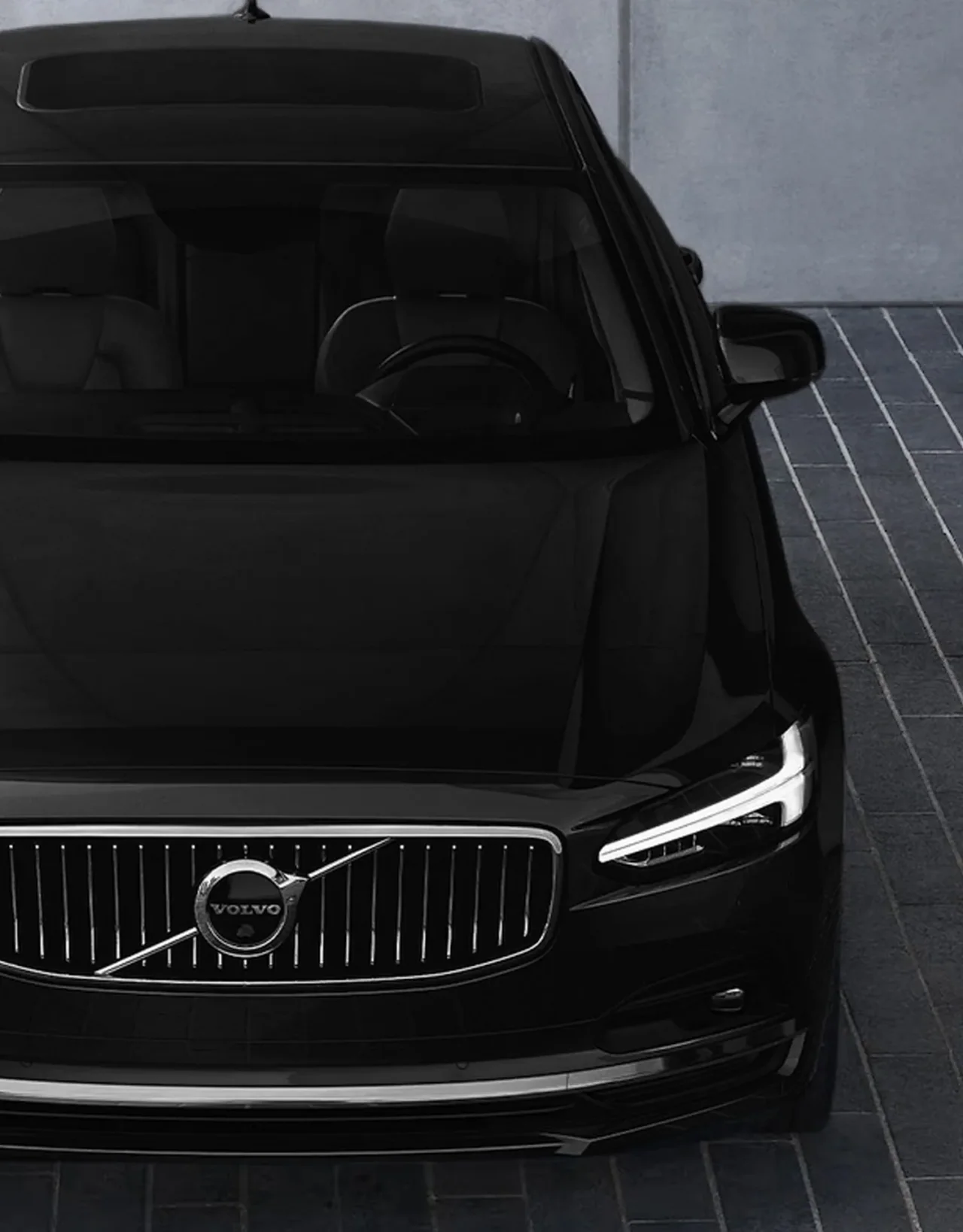
The wrong-vehicle mistake dies with one honest count: bodies and bags, stated at booking. Three with luggage rides the S90, six the Escalade ESV, groups the Sprinter. The count takes ten seconds, and skipping it is the only way to fail it.
The seven fixes, one habit
Every fix in this guide compresses to a single habit: decide the ground plan when you book the flight, not the night before the flight. Rates for the decided version: S90 at $110 per hour, Escalade ESV at $135, Sprinter at $165, both legs on one reservation through Battle Ground limo service or PDX airport car service.
Frequently Asked
Questions, Answered.
What is the 45 minute rule?
The informal name for airline cutoffs: most carriers stop accepting checked bags and close check-in somewhere around 40 to 45 minutes before a domestic departure, and arriving inside that window can mean forfeiting the flight even though the aircraft is still at the gate. Check your airline's published cutoff, then plan to beat it by an hour.
Is 1.5 hours enough before a flight?
At PDX during the predawn bank, no; the airport itself advises two hours for busy early-morning domestic departures and three for international. Midday on a Tuesday with a carry-on and PreCheck, ninety minutes can work. The mistake is applying the midday answer to the 6 a.m. flight, which is precisely when the crowds and the stakes are largest.
What do I do if I've missed my flight?
Get to your airline's agent or phone line immediately, before the system marks you a no-show, and ask what can be rebooked. Speed matters because policies harden by the minute: some carriers cancel the whole itinerary, including the return, once the outbound is missed. The best version of this answer is the plan that never needs it.
Will I get charged a fee if I miss my flight?
It depends on the fare, and the range is brutal: mainline domestic tickets often rebook without change fees, while international changes can carry fees up to several hundred dollars plus any fare difference, and basic-economy fares on PDX's dominant carrier are simply forfeited entirely on a no-show. The fine print you bought is the fee you will pay.
How many people miss a flight a year?
A widely cited 2018 survey for Capital One found 14 percent of travelers, one in seven, had missed a flight in the prior year because of security lines alone, and a 2026 survey by Hopper Technology Solutions found 89 percent of flyers now worry about disruption, with one in five disrupted travelers missing a major event. Missing flights is not rare. Planning like it is rare is the mistake.
What does the mistake-proof version of a Battle Ground airport limousine cost?
Priced firm at booking, not estimated: the Battle Ground transfer runs near $185 in the Volvo S90, the figure this guide weighs against a forfeited basic-economy ticket. Hourly work books at $110 for the S90, $135 for the Escalade ESV, $165 for the Sprinter, all-in including the 20 percent service fee, three-hour minimum on hourly bookings only. Tipping stays at your discretion; nothing is auto-added.
About the Author
Ilyas Khairi runs Marquee Chauffeur under Portland Bureau of Transportation certification held since 2018, with $1 million in commercial liability and W-2 chauffeurs on payroll. He has heard every one of the seven mistakes narrated from the back seat, always in past tense, always about the previous trip, which is how most of his Battle Ground clients became clients.
Verified Google Reviews
What Portland clients say about Marquee Chauffeur.
I spent six hours touring the Columbia River Gorge with the owner of this service, and I was really impressed with his professionalism, attentiveness, and local knowledge. As he says, they really are like a chauffeur/concierge, not just taking you from one place to another but providing a full experience. I look forward to riding with them again on my next trip.
Edris — has absolutely hands down have to be the best driver ever. I would absolutely recommend his service! He's so professional, so efficient. On time and so respectful!
These guys are terrific. Two thumbs up. Found them online and got excellent personal service. Used them to get from PDX to about two hours away …. And then back to PDX a few days later. On time. Super professional drivers. Vehicles in spectacular shape. Brand new. They will be out go to service. We recommend them highly.
Marquee Chauffeur holds a 5.0 rating across 198 Google reviews. Read every review on Google.
Reserve Your Chauffeur
Reserve a Portland
Chauffeur Now.
Make the seven mistakes impossible in one call: (503) 706-8662, available 24/7. Both legs booked together, the pickup engineered against PDX's own guidance and the season's real volumes, the vehicle sized to your actual manifest. Volvo S90 at $110 per hour, Escalade ESV at $135, Sprinter at $165, every Battle Ground airport booking with FlightAware tracking and a 30-minute arrival grace window (45 on international arrivals), under Portland private-for-hire permitting since 2018 with $1 million in commercial liability.