

Comparison
PDX vs Rideshare Cost Comparison.
Standard rideshare to PDX is the most common alternative to a chauffeur. It is the right call on a small slice of trips. UberX or Lyft Standard runs an off-peak weekday meter that lands well below the chauffeur flat PDX rate. The same route during a Friday evening surge or a weather-delayed return wave routinely multiplies on the meter. There is no cap on how high the multiplier climbs. Marquee Chauffeur runs a locked flat or hourly rate on every PDX trip with FlightAware tracking, full commercial liability, and a vetted W-2 chauffeur assigned at booking. The math swings on surge frequency, group size, and whether the rate needs to land predictably on a corporate invoice.
By Ilyas KhairiFounder, Marquee ChauffeurLicensed and permitted since 2018
- Licensed & Permitted
- $1M Insured
- 5.0 / 198 Reviews
- W-2 Chauffeurs
- 35-Point Inspection
Last updated: September 14, 2026
Bottom line: For a single ad-hoc PDX run on a clear off-peak weekday with one passenger and a carry-on, UberX or Lyft Standard is cheaper than the Marquee flat PDX rate. The locked chauffeur rate finishes ahead on peak-window departures with surge active, return arrivals where a flight runs late, groups over 4, and families with checked bags. It also wins any trip that needs to land on a corporate invoice with cost-center coding. Standard rideshare and chauffeur address the same airport but solve different problems.
01 At-A-Glance Comparison
Marquee Chauffeur Against
UberX or Lyft, Row By Row.
Twelve PDX-relevant criteria are mapped in the table below across a Marquee Chauffeur booking and a standard UberX or Lyft Standard ride to or from Portland International. Rows cover pricing structure, surge behavior, insurance, driver employment, vehicle class, luggage capacity, flight tracking, and corporate billing. Each entry reflects the public operating model of UberX and Lyft Standard at PDX and the documented Marquee Chauffeur standard on the same route.
| Criterion | Marquee Chauffeur | UberX or Lyft Standard |
|---|---|---|
| PDX rate structure | Locked flat rate, or hourly on the Volvo S90 with a three-hour minimum | Per-minute and per-mile meter, no flat option |
| Free-flow PDX fare | Quoted in advance, holds on the day of travel | Metered fare, typically under the chauffeur flat rate off-peak |
| Peak-window PDX fare | Same as the off-peak quote, no surge | Surge multiplier stacks on the meter, no published cap |
| Surge multiplier | None, rate locked at booking | Variable multiplier during high demand |
| Insurance coverage | Full commercial liability on every ride | Contingent third-party coverage while app is on |
| Driver employment | Vetted W-2 chauffeur on payroll | 1099 independent contractor |
| Vehicle class | Volvo S90, Cadillac Escalade ESV, Mercedes-Benz Sprinter | Driver's personal vehicle, mixed inventory |
| Passenger capacity | 4 sedan, 6 ESV, 14 Sprinter | 3 to 4 sedan tier |
| Flight tracking | FlightAware live wheels-down into dispatch | Scheduled arrival time, no live data |
| PDX wait time | Repositioned on the wheels-down call, no meter on delay | Per-minute wait fee after short grace window |
| Booking channel | Live dispatcher at (503) 706-8662 or online | Uber or Lyft app, no phone dispatch |
| Corporate billing | Net-30, QuickBooks, cost-center coding | Uber for Business or Lyft Business per-ride receipts |
Locked rate vs surge metering
Marquee quotes a flat or hourly rate at booking that holds on the day of travel. The Volvo S90 PDX flat rate from a downtown Portland zip code is the same number on a clear Tuesday at 10 a.m. as it is on a rainy Friday at 5:30 p.m. UberX and Lyft Standard apply a variable surge multiplier on top of the per-minute and per-mile meter during high-demand windows. There is no published cap on how high the multiplier can climb. The same route from the Pearl District to PDX can more than triple between a free-flow midday run and a surge wave on the same week. For any trip where the rate needs to be predictable, the locked quote is the structural difference.
Driver supply on late nights
UberX and Lyft Standard run on a 1099 driver pool that thins out late nights, holidays, and weather-impacted days. A 11:40 p.m. PDX arrival on a delayed Alaska Airlines flight from Seattle on a rainy December evening hits a thin driver supply. Dozens of other arriving passengers are queueing for rideshare at the same moment. Marquee dispatches the assigned chauffeur on the booked reservation regardless of driver pool dynamics on the rideshare side. The vetted W-2 chauffeur is on the way to PDX before the flight lands because FlightAware fed the gate update into dispatch at wheels-up.
Luggage capacity at the curb
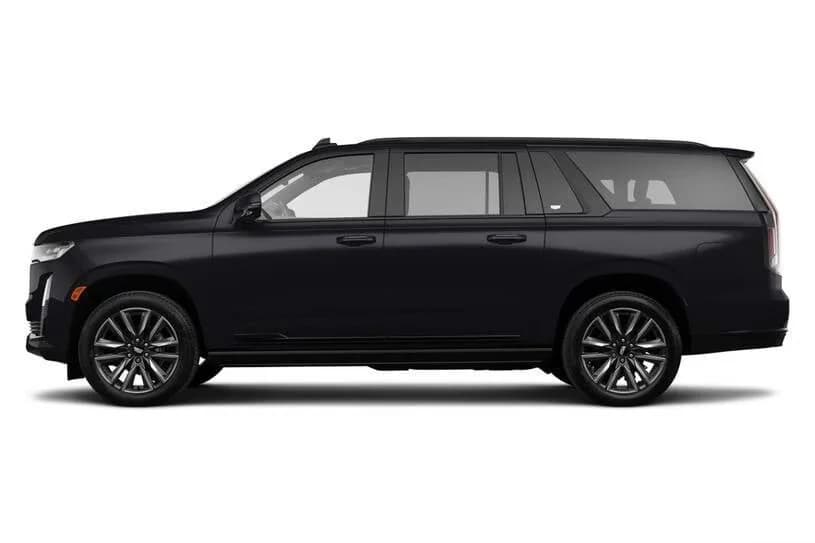
The Volvo S90 carries four passengers plus two large checked bags and two carry-ons. The Cadillac Escalade ESV carries six passengers and seven large checked bags. The Mercedes-Benz Sprinter carries fourteen passengers, with cargo room sized to a wedding party returning from a destination weekend. UberX runs sedan-tier at a three-to-four passenger cap and trunk space sized to whatever personal vehicle the chauffeur owns. Consider a family returning from PDX carrying a week of checked luggage, or a corporate group inbound for a downtown conference. The rideshare sedan tier often cannot fit the load, and a second vehicle is required.

02 When UberX or Lyft Wins
Single Ad-Hoc PDX Runs,
Off-Peak, Solo, No Bags.
UberX and Lyft Standard are the right pick on a real slice of PDX trips. On a single ad-hoc weekday run with no surge active, one passenger, and a carry-on, the per-ride fare lands well below the Marquee flat PDX rate. For solo business travelers already running Uber for Business or Lyft Business through a corporate expense platform, the app-native receipt is frictionless. The FlyPDX ground transportation page covers the rideshare zone curb assignment for the rebuilt PDX terminal.
Off-peak ad-hoc PDX runs
A single 25-minute UberX run from the Pearl District to PDX on a Tuesday at 10:30 a.m. with no surge active typically lands at a low metered fare. A Marquee flat-rate quote on the same trip runs higher. The chauffeur model includes a vetted W-2 chauffeur, full commercial liability, FlightAware tracking, and gratuity baked into the rate. If the trip is genuinely one-off, off-peak, with no return leg booked, no luggage concern, and no corporate reporting requirement, the rideshare meter is the honest answer for that single ride. The pricing economics of an ad-hoc one-way trip favor the rideshare model.
Solo business traveler with app-based expense flow
Solo travelers already running Uber for Business or Lyft Business through a corporate expense platform get an app-native receipt on every ride that exports automatically into Expensify. No vendor onboarding step, no W-9 exchange, no monthly invoice to reconcile. For a one-day trip into Portland with a single PDX arrival and a single PDX return at off-peak times, the app-based expense flow is operationally simpler than setting up a chauffeur corporate account for two rides. At scale, the chauffeur invoicing pays back. For a single-trip visitor the rideshare receipt is friction-free.
Same-day spontaneity
When a PDX ride is needed in the next 15 to 30 minutes with no advance booking, the rideshare app has the dispatch advantage. UberX and Lyft Standard look up available drivers within a short radius and confirm a pickup without any reservation step. The chauffeur model runs on advance bookings, so the vetted chauffeur and assigned vehicle reach the pickup with the route and flight number confirmed. Sometimes an unscheduled departure makes a 15-minute pickup window the priority, and the surge multiplier happens to be low at that exact moment. There, the rideshare lookup is the practical answer.
Outer metro PDX coverage
UberX and Lyft Standard run a broader geographic footprint than most chauffeur services can staff at short notice. A same-day PDX pickup from Sandy, Estacada, or the outer edges of Clackamas County frequently has a rideshare driver available inside a 15-minute window. A chauffeur service instead requires advance booking from the downtown Portland staging area. For travelers outside the Marquee primary radius who need a same-day PDX run with no reservation, the rideshare footprint covers the geography the chauffeur model cannot match without lead time.
03 When a Chauffeur Wins
Surge Windows, Groups,
Late Returns, Corporate.
The chauffeur model is the stronger pick where surge frequency, group size, luggage volume, and corporate reporting matter more than the lowest possible single-trip number. Peak-window departures and weather-delayed arrivals stack rideshare surge and wait fees that often exceed a chauffeur flat rate. Group bookings and family returns with checked bags fit the PDX airport car service fleet capacity. Corporate accounts benefit from monthly consolidated invoicing rather than dozens of per-ride receipts. Travelers comparing tiers above standard rideshare can also review chauffeur vs Uber Black for the premium-tier breakdown.
Peak-window PDX departures
A 5 p.m. Friday PDX departure during a rainy week routinely pushes UberX and Lyft Standard into a doubled-or-higher surge multiplier on a thin downtown driver pool. A free-flow midday run can climb steeply on the meter once surge stacks against the per-minute and per-mile rate. The Marquee Volvo S90 PDX flat rate holds at the figure on the booking confirmation regardless of the demand window. On peak Friday and Sunday departures and on holiday-eve outbound waves, the locked chauffeur quote often lands within the same range as a surge-priced rideshare. It arrives with a vetted W-2 chauffeur, FlightAware tracking, and full commercial liability.
Weather-delayed PDX arrivals
FlightAware integration feeds live wheels-down data into Marquee dispatch, so a weather-delayed Alaska Airlines arrival from Seattle shifts the chauffeur's arrival to the new landing time, with no meter running on the wait. UberX and Lyft Standard run on the scheduled arrival time provided at the booking. They apply per-minute wait fees after a short grace window once a driver dispatches. A two-hour weather hold can stack a substantial wait fee on top of an already surge-priced fare and cross the threshold of a full-hour chauffeur booking. Verify wheels-down independently on FlightAware.
Groups and family returns with bags
A family returning from a ten-day vacation with five checked bags and five carry-ons does not fit a standard UberX sedan trunk. It often cannot fit a Lyft Standard either, which forces a second vehicle and a second fare. The Cadillac Escalade ESV carries six with seven checked bags. The Mercedes-Benz Sprinter carries fourteen with full cargo room for a wedding party return or a corporate convention block. For groups over four inbound or outbound at PDX with luggage, the chauffeur fleet handles the load on a single vehicle at a single rate where the rideshare side requires multiple cars at multiple meters. Pricing details across vehicle classes are covered in the 2026 Portland chauffeur pricing guide.
Corporate-billed PDX programs
Marquee runs monthly consolidated invoicing with QuickBooks integration, net-30 terms, a W-9 on file, and cost-center coding split across departments and projects on one statement. Uber for Business and Lyft Business issue per-ride receipts with basic expense exports. Corporate travel managers running monthly AP cycles for executive PDX travel typically prefer a single chauffeur invoice across the month over dozens of individual rideshare receipts. The PDX airport chauffeur booking workflow walks through the corporate-account onboarding flow for travel programs that handle recurring executive PDX runs.
04 Structural Differences
Insurance, Employment,
Pricing, Vehicle Class.
The four structural differences between Marquee Chauffeur and standard UberX or Lyft Standard are rooted in the operating model rather than the finish of any single ride. Insurance runs on a full commercial policy against contingent app-on coverage. Driver employment runs on W-2 payroll against 1099 independent contractor. Pricing runs on a locked flat or hourly quote against a per-minute meter with no surge cap. Vehicle class runs on the inspected luxury fleet against the driver's personal car. For the metered alternative outside the rideshare apps, see chauffeur vs taxi in Portland.
Insurance coverage
Marquee carries full commercial liability coverage on every PDX run across the Volvo S90, Cadillac Escalade ESV, and Mercedes-Benz Sprinter, in force from the moment the reservation is confirmed regardless of trip status. UberX and Lyft Standard drivers operate under contingent third-party liability that activates only while the app is on and a passenger is in the car. State-minimum personal auto coverage applies outside those windows. Hospital vendor desks, healthcare transport contracts, university programs, and corporate risk teams often require the commercial layer and a certificate of insurance before a credentialed PDX pickup is approved. For-hire carrier insurance standards in Oregon are set by the Portland Bureau of Transportation.
Driver employment
Every Marquee chauffeur is a vetted W-2 employee on payroll. The role carries workers' comp coverage, a documented background-check renewal cadence, and accountability to company leadership for conduct, punctuality, and PDX pickup protocol. UberX and Lyft Standard run on 1099 independent contractors who choose when to log into the app and which trip requests to accept. The employment model changes incentives at curbside on a 5:45 a.m. PDX departure. A 1099 driver might cancel for a higher-paying request, while a W-2 chauffeur is already on the way with the assignment locked the night before. Portland Bureau of Transportation licensing has held on Marquee since 2018 with continuous renewal across the chauffeur fleet.
Pricing model
Marquee quotes a flat or hourly rate at booking. The Volvo S90 holds at $110 per hour on hourly bookings with a three-hour minimum. The Cadillac Escalade ESV and Mercedes-Benz Sprinter carry higher hourly rates scaled to capacity, and PDX point-to-point runs are quoted as a flat rate based on the pickup zip code. The locked quote does not climb during a surge wave or a holiday demand spike, and gratuity is included in the rate. UberX and Lyft Standard run a per-minute and per-mile meter with a variable surge multiplier and a separate in-app tipping prompt after the ride. The locked quote makes the AP figure predictable for corporate travel. It removes the surge variable from a recurring PDX program. The metered model fits a single off-peak ride where surge risk is low.
Vehicle class
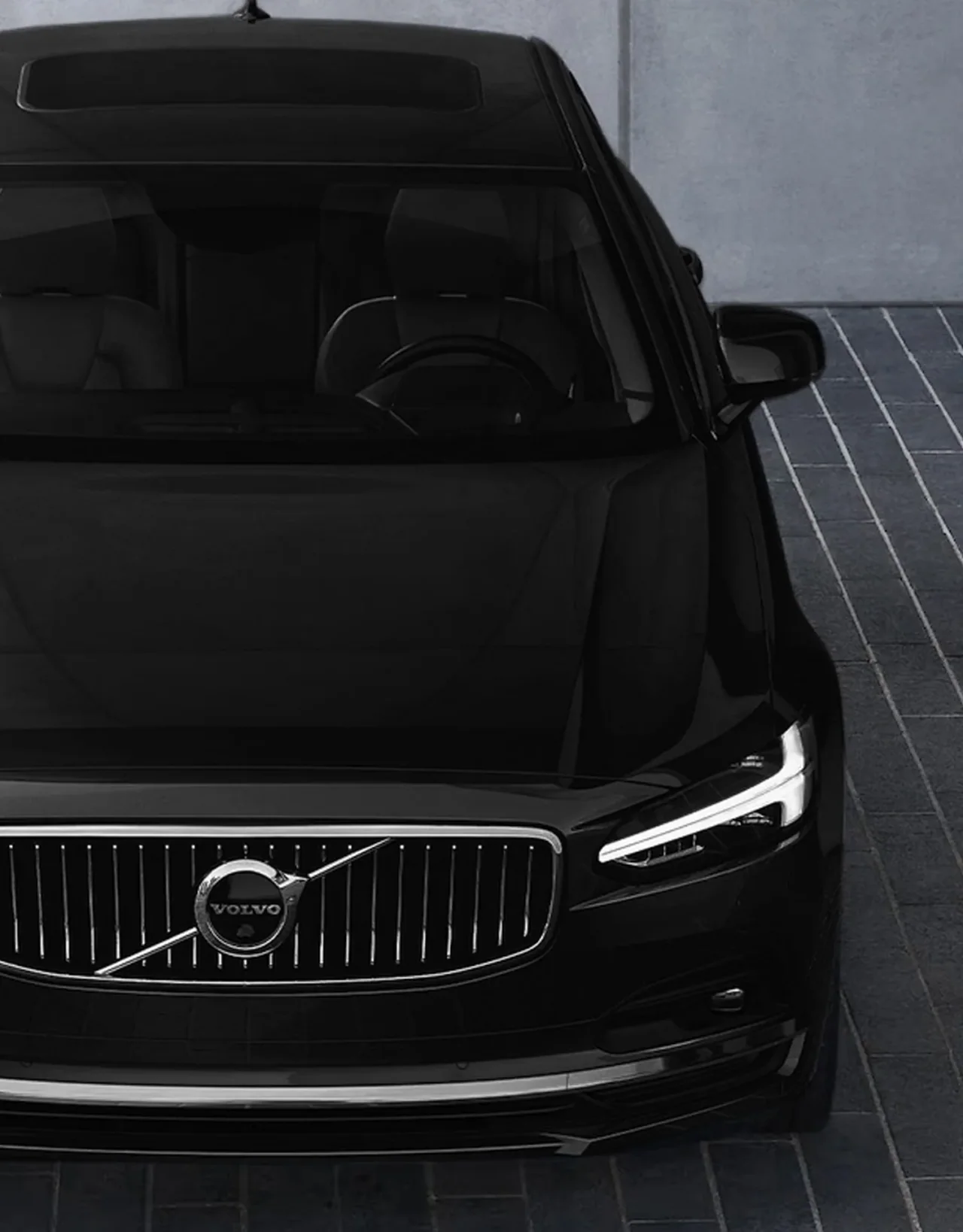
The Marquee fleet runs the Volvo S90 luxury sedan, the Cadillac Escalade ESV full-size SUV, and the Mercedes-Benz Sprinter executive van. Each passes a 35-point inspection before the first booking of the day, with tire pressure, brake response, fluid levels, cabin detail, and climate controls logged on a checklist. UberX and Lyft Standard inventory whatever personal vehicle the driver owns within the platform's age and condition guidelines, inspected once at platform onboarding. The vehicle-class gap shows up at the curb on group bookings, family returns with luggage, executive arrivals, and wedding-party transport. It shows up on any PDX run where the cabin condition and the daily inspection discipline matter more than the ad-hoc inventory of the local driver pool.
Frequently Asked
Questions, Answered.
How much does UberX or Lyft Standard cost from downtown Portland to PDX?
A free-flow run from downtown Portland to Portland International on UberX or Lyft Standard typically lands at a modest metered fare on a clear weekday off-peak with no surge active. The same trip during a 5 p.m. Friday return wave stacks surge multipliers on the per-minute and per-mile meter and routinely posts several times higher. Rainy holiday evenings on a thin driver pool can push higher still. The published meter has no cap on the surge multiplier. The same 25-minute route swings widely depending on the demand window at the moment of booking.
How does the chauffeur PDX rate compare on the same trip?
Marquee runs a flat or hourly quote on every PDX trip with the rate locked at booking. The Volvo S90 sedan runs an hourly rate with a three-hour minimum on hourly bookings, and PDX point-to-point runs are quoted as a flat rate based on the pickup zip code. The locked figure does not climb during a 5 p.m. surge wave, an Alaska Airlines weather delay, or a holiday-evening demand spike at PDX. The corporate AP team sees the same number on the confirmation email that lands on the monthly invoice. That holds regardless of what traffic or rideshare demand looked like on the day of the ride.
Why does standard rideshare to PDX surge so often?
PDX rideshare demand peaks against a 1099 driver pool that thins out during the same windows passengers most want to leave or arrive. Friday evening returns, Sunday afternoon outbound waves, holiday eves, and weather-impacted days all trigger demand multipliers. There is no obligation for an UberX or Lyft Standard driver to staff a high-demand window. The reserved model assigns a vetted W-2 chauffeur to a confirmed reservation in advance. The same 5 p.m. Friday window that triggers a steep rideshare surge is just another scheduled pickup on the chauffeur side.
What insurance covers a chauffeur PDX run vs UberX or Lyft Standard?
Marquee carries full commercial liability coverage on every PDX run across the Volvo S90, Cadillac Escalade ESV, and Mercedes-Benz Sprinter fleet, in force from the moment the reservation is confirmed. UberX and Lyft Standard drivers operate under contingent third-party liability that activates only while the app is on and a passenger is in the car. Personal auto coverage applies outside those windows. Healthcare-system vendor desks, corporate risk teams, and university transport contracts often require the commercial layer and a certificate of insurance before a credentialed PDX pickup is approved. For-hire carrier insurance requirements in Oregon are set by the Portland Bureau of Transportation (source: Portland Bureau of Transportation).
Are rideshare drivers W-2 employees or independent contractors?
UberX and Lyft Standard drivers are 1099 independent contractors who choose when to log into the app and which trip requests to accept. Marquee chauffeurs are W-2 employees on payroll with workers' comp coverage, background checks renewed on a documented cadence, and accountability to company leadership for punctuality, conduct, and PDX pickup protocol. The employment difference shows up at curbside on a 5:45 a.m. PDX departure. A 1099 driver might cancel for a higher-paying request, while a W-2 chauffeur is already on the way with the assignment locked the night before.
Which has better PDX flight tracking — chauffeur or rideshare?
FlightAware integration feeds live wheels-down data into Marquee dispatch on every PDX arrival. A weather-delayed flight shifts the chauffeur's arrival to the new landing time, with no meter running on the wait. An early landing pulls the Volvo S90 to the numbered pick-up location before baggage claim opens. UberX and Lyft Standard run on the scheduled arrival time provided at booking and apply per-minute wait fees after a short grace window once a driver is dispatched. A two-hour weather hold can stack a rideshare wait fee on top of the surge fare and finish higher than a full hourly reserved booking.
How do chauffeur and rideshare handle luggage capacity at PDX?
The Volvo S90 carries 4 passengers plus two large checked bags and two carry-ons in the trunk. The Cadillac Escalade ESV carries 6 passengers and up to seven large checked bags. The Mercedes-Benz Sprinter carries 14 passengers, with cargo room for the equivalent volume on a wedding party or convention block. UberX runs sedan-tier with a typical 3 to 4 passenger cap and trunk space sized to the driver's personal vehicle. Lyft Standard sits in the same class. For a family of 5 returning from PDX with checked bags on a 10-day trip, the rideshare sedan tier often cannot fit the load. A second vehicle becomes necessary.
Can corporate accounts get a single PDX invoice instead of per-ride receipts?
Marquee Chauffeur runs monthly consolidated invoicing with QuickBooks integration, net-30 terms, a W-9 on file, and cost-center coding split across departments and projects on one statement. Uber for Business and Lyft Business issue per-ride receipts with basic expense exports. Corporate travel managers running monthly AP cycles for executive PDX travel typically prefer a single consolidated invoice over dozens of individual rideshare receipts at month-end. The cost-center coding by project or client makes departmental allocation cleaner on the reserved side.
Is rideshare faster than a chauffeur for last-minute PDX runs?
On a same-day request inside a 30-minute pickup window with no surge active, UberX or Lyft Standard can dispatch faster than a chauffeur reservation. The reserved model runs on advance booking, so the vetted chauffeur and assigned vehicle reach the pickup location with the route confirmed. For a planned 5:45 a.m. PDX departure booked the night before, the chauffeur arrives at the curb on the scheduled minute regardless of how the rideshare driver pool looks that morning. Same-day requests are accepted when fleet capacity allows by calling Marquee dispatch at (503) 706-8662.
Do PDX surge fares ever cancel out the chauffeur premium on a single trip?
Yes, on a meaningful share of PDX trips during peak demand windows. A standard UberX run from the Pearl District to PDX at 4:50 p.m. on a rainy Friday with a steep surge multiplier and a per-minute meter often posts a fare in the same territory as a chauffeur flat rate. A Marquee Volvo S90 PDX flat rate from the same pickup zip code is quoted at a fixed figure. That figure comes with full commercial liability, FlightAware tracking, a vetted W-2 chauffeur, and the service fee built into the rate. On the surge-priced day the per-trip economics narrow or invert. On a clear Tuesday at 10 a.m. the rideshare run is cheaper. The reserved-ride math improves with surge frequency, group size, and corporate-billing requirements.
Verified Google Reviews
What Portland clients say about Marquee Chauffeur.
I spent six hours touring the Columbia River Gorge with the owner of this service, and I was really impressed with his professionalism, attentiveness, and local knowledge. As he says, they really are like a chauffeur/concierge, not just taking you from one place to another but providing a full experience. I look forward to riding with them again on my next trip.
Edris — has absolutely hands down have to be the best driver ever. I would absolutely recommend his service! He's so professional, so efficient. On time and so respectful!
These guys are terrific. Two thumbs up. Found them online and got excellent personal service. Used them to get from PDX to about two hours away …. And then back to PDX a few days later. On time. Super professional drivers. Vehicles in spectacular shape. Brand new. They will be out go to service. We recommend them highly.
Marquee Chauffeur holds a 5.0 rating across 198 Google reviews. Read every review on Google.
Reserve Your Chauffeur
Reserve a Portland
Chauffeur Now.
Book your PDX chauffeur now. Call Marquee Chauffeur at (503) 706-8662, available 24/7. PDX airport runs with FlightAware tracking and locked flat or hourly rates, peak-window Friday and Sunday departures with no surge multiplier, group returns on the Cadillac Escalade ESV and Mercedes-Benz Sprinter, and corporate PDX programs covered under Portland private-for-hire permitting with vetted W-2 chauffeurs, 35-point inspections, and full commercial liability.