

Comparison
Chauffeur, Taxi, or Rideshare?
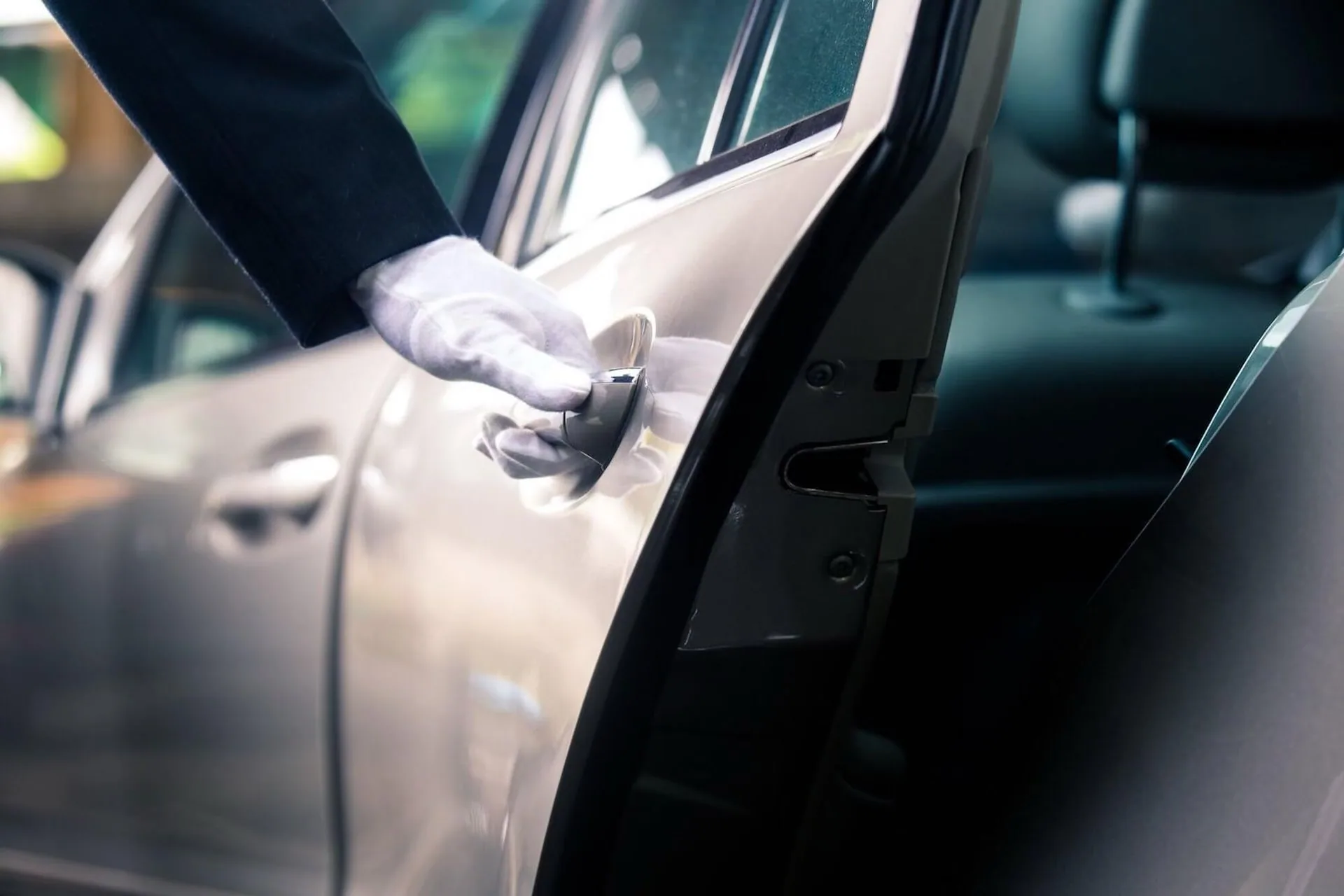
Three different rides answer the same Portland question. A chauffeur is a reserved, hourly-rate trip with a vetted W-2 chauffeur. The car is a late-model Volvo S90, Cadillac Escalade ESV, or Mercedes-Benz Sprinter, inspected before the first booking of the day. A Portland taxi is a flagged-down or dispatched ride on a climbing meter with a 1099 medallion driver in a retired sedan. UberX and Lyft Standard sit between the two. Both are app-summoned at variable surge pricing with a 1099 contractor in a personal vehicle. The difference shows up in booking flow, rate predictability, vehicle class, and insurance coverage. It also shows up when your flight lands 40 minutes late.
By Ilyas KhairiFounder, Marquee ChauffeurLicensed and permitted since 2018
- Licensed & Permitted
- $1M Insured
- 5.0 / 198 Reviews
- W-2 Chauffeurs
- 35-Point Inspection
Last updated: September 23, 2026
Quick answer: A Portland chauffeur is reserved in advance and runs on a locked hourly rate. It holds a specific vetted chauffeur and a specific vehicle, and carries full commercial liability. A Portland taxi is flagged down or dispatched and runs on a climbing meter. It assigns whichever driver is nearest and operates under varying city insurance minimums. UberX and Lyft Standard are app-summoned at surge-priced fares with a 1099 contractor in a personal vehicle. Their contingent insurance coverage only activates when the app is on. All three categories fall under Portland PFHT regulation. Chauffeurs win on planned airport runs, multi-hour bookings, and corporate-billed itineraries. Taxis win on short flag-downs under 15 minutes. Rideshare wins on ad-hoc metro-core trips with no luggage and no schedule margin.
01 Side By Side
At-A-Glance Comparison,
Twelve Criteria Compared.
Twelve criteria are mapped in the table below across a Portland chauffeur and a Portland taxi. Rows cover how the ride starts, how the fare is calculated, what vehicle shows up, who is driving, and what happens at PDX. The goal is an honest side-by-side. You can pick the ride that actually fits the trip rather than the ride the marketing copy wants you to pick.
| Criterion | Portland Chauffeur (Marquee) | Portland Taxi Service |
|---|---|---|
| Booking mode | Advance reservation by phone or online | Flag-down, taxi stand, or dispatch call |
| Rate structure | Hourly rate or flat quote locked at booking | Meter rate that climbs with distance and idle time |
| Minimum fare | Three-hour minimum on the hourly rate | Meter drop at the start of the ride, then per-mile |
| Vehicle class | Volvo S90, Cadillac Escalade ESV, or Mercedes Sprinter | Retired sedan, typically a Toyota Camry or Ford Crown Victoria |
| Vehicle inspection | 35-point pre-trip inspection before the first booking daily | Annual city inspection per Portland Bureau of Transportation |
| Driver employment | Vetted W-2 chauffeur on payroll with workers comp | 1099 medallion lease operator or company driver |
| Driver training | Hospitality and route training with ongoing review | Portland taxi permit course and defensive driving requirement |
| Insurance coverage | Full commercial liability on every ride | City-regulated minimums, varies by taxi company |
| Advance reservation | Standard practice, 24 to 48 hours recommended | Accepted by dispatch but vehicle is not guaranteed |
| Airport pickup protocol | FlightAware tracking, numbered-location meet, flat or hourly rate | Ground Transportation taxi queue, meter plus PDX surcharge |
| Accept credit cards | Yes, card on file before pickup with emailed receipt | Yes in most cabs, though cash is still common |
| Corporate billing | Monthly invoice, QuickBooks, net-30 | Per-ride payment at drop, occasional corporate accounts |
Why chauffeur rates net out on long routes
A Volvo S90 on the hourly rate with a three-hour minimum reads as a fixed total before tip. A Portland taxi runs the same PDX to downtown route on a meter drop plus per-mile charges and a PDX surcharge. It often lands lower during free-flow traffic. On a 45-minute I-5 backup the taxi meter keeps climbing on idle time while the chauffeur quote stays locked. Multi-stop hourly itineraries with a client lunch and two meetings favor the chauffeur model. The idle time is already included in the hourly.
Why taxis still dominate short curb-to-curb
A three-mile ride from the Benson Hotel to the Portland Art Museum and back out to dinner at Jake's Famous Crawfish is exactly the trip a Portland taxi was built for. No reservation, no three-hour minimum, no hourly rate on an eight-minute hop. The flag-down from the hotel stand or the dispatch call runs a low metered fare and drops the passenger at the door. The chauffeur hourly minimum does not pencil for a ride that short. The taxi model beats it on cost.
How dispatch plus FlightAware changes airport math
FlightAware integration pulls live PDX arrival data into Marquee dispatch, so the chauffeur adjusts to wheels-down time. A 40-minute weather delay keeps the car at the airport entrance without meter running on the wait. A taxi from the Ground Transportation queue is fast on a standard landing. A delayed flight restarts the queue cycle and can add 20 to 30 minutes at the curb after baggage claim. The locked reserved rate plus tracked arrival is the cleaner move for tight connections and late-night returns.
02 Honest Assessment
When A Taxi,
Makes Sense.
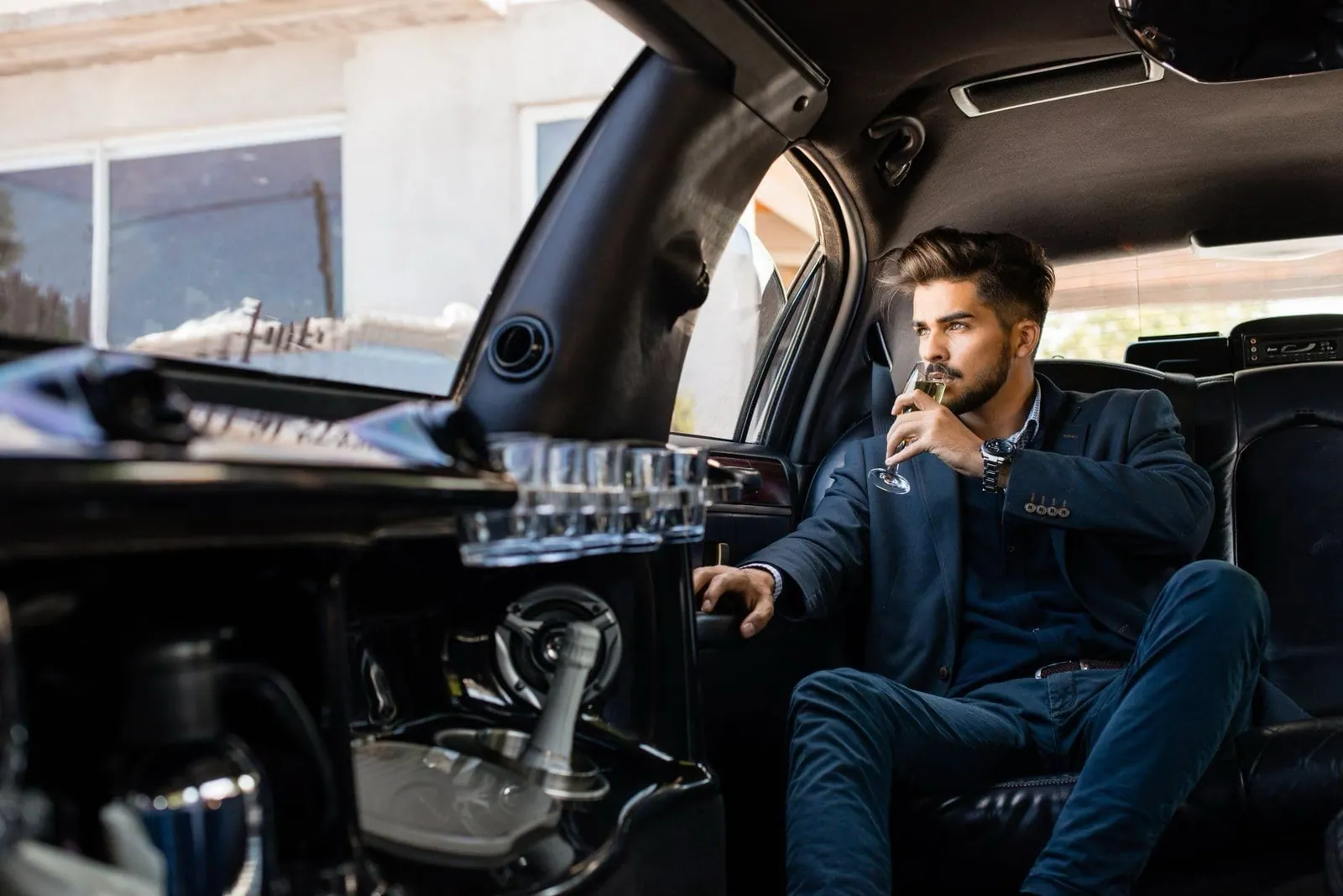
Not every ride wants a chauffeur. Portland taxis still win four specific use cases. The meter model, the flag-down, and the absence of a reservation window are the right fit there. This section is honest about those cases. You can skip the hourly rate when the hourly rate does not belong.
Short curb-to-curb trips under 15 minutes
A ride from the Heathman Hotel to Powell's City of Books runs about four minutes on a free-flow afternoon. It lands on the taxi meter at a few dollars. The chauffeur three-hour minimum does not pencil on a four-minute hop, even with the Volvo S90 rate prorated. Short urban errands, quick restaurant runs between the Pearl District and downtown, and brief museum-to-hotel trips stay on the taxi side of the ledger.
Flag-down in the downtown core when time is critical
Say you are standing at SW 6th and Morrison in the rain and a client meeting starts in 20 minutes. The fastest move is the first taxi rolling past. Chauffeur service requires a reservation window that the situation does not offer. The flag-down or the hotel-stand queue at the Nines, the Benson, or the Heathman puts a cab at the curb in a few minutes without a phone call. That is a use case where the taxi model is structurally better suited than the advance-booked chauffeur.
Cash-only or minimal-footprint trips
Some passengers prefer cash payment without a card on file, an emailed receipt, or a booking record tied to a name. Portland taxis accept cash at the drop, and the transaction ends at the meter. Chauffeur reservations require a card on file before pickup and issue a receipt with trip details. For a ride where privacy of the transaction matters more than vehicle class or driver training, the taxi cash payment model is the simpler fit.
One-off trips without advance notice
A last-minute ride from a bar at SE Division to a friend's house in Sellwood at 11 p.m. without a reservation is a taxi trip. No hourly rate, no luxury layer, no booking record. The dispatch call or the flag-down handles the ride in 10 to 20 minutes and settles on the meter. Chauffeur service is designed around planned movement with a confirmation window, so the spur-of-the-moment ride at midnight after the last drink stays on the taxi side.
03 Honest Assessment
When A Chauffeur,
Makes Sense.
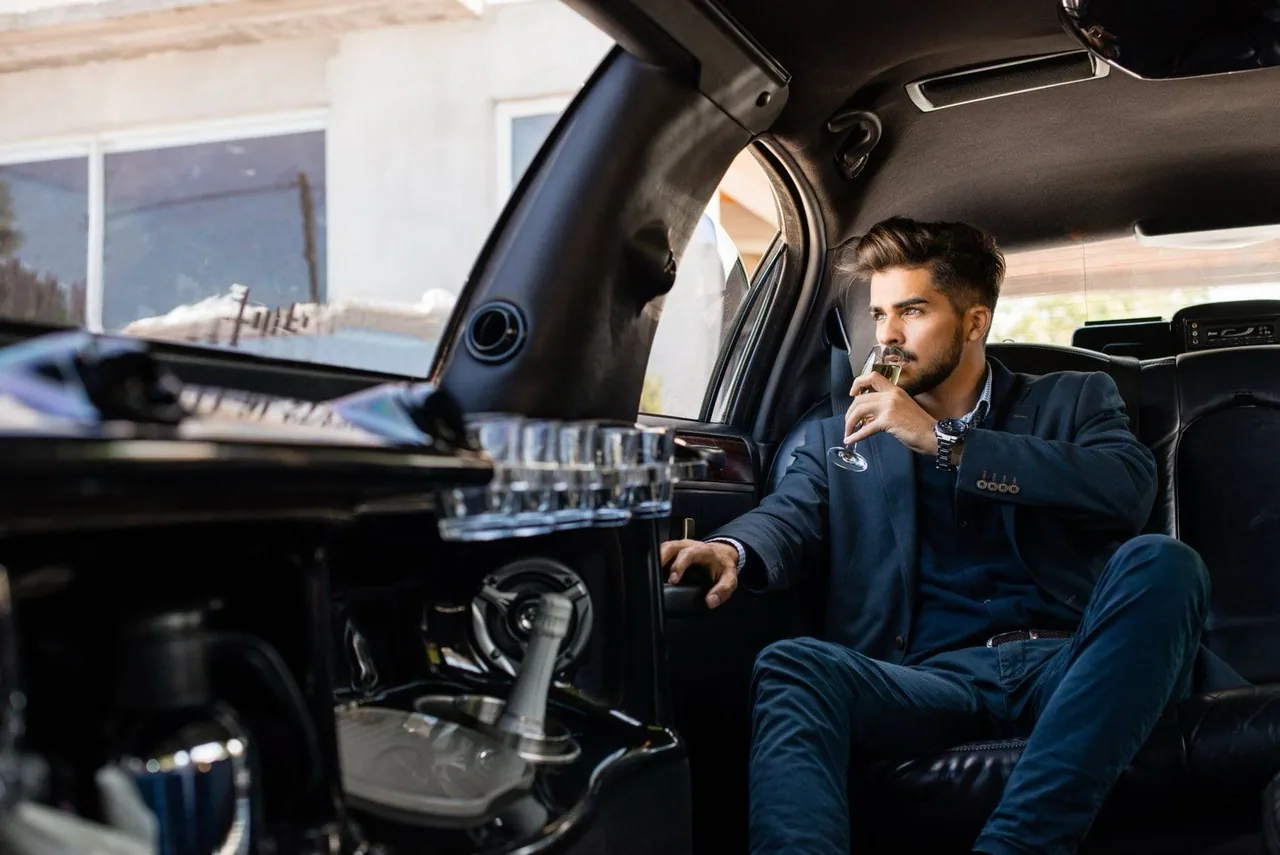
Four use cases swing hard to the chauffeur side. The locked rate, the tracked arrival, the hourly multi-stop model, and the corporate billing infrastructure are built for specific trip types. These are the trips where the taxi model struggles. This section spells out where the reserved-ride math actually works.
Advance-booked PDX airport transfers
A pre-booked PDX arrival with FlightAware tracking and a locked rate removes two variables at once. The chauffeur pulls to the numbered pick-up location on wheels-down regardless of scheduled arrival time, and the fare does not climb on I-205 traffic. The Volvo S90 at $110 per hour or a flat airport rate agreed at booking covers the ride end-to-end — see how to book a PDX airport chauffeur for the step-by-step. Late-night returns and early-morning departures fall before the first MAX train of the day. Those are where the locked rate pays its own way against the taxi meter and the PDX surcharge stack.
Hourly multi-stop business itineraries
A day of meetings can run from a downtown Portland client breakfast to a Beaverton tech campus to a lunch at Jake's to an afternoon session at Nike World Headquarters. That day wants the hourly rate. The chauffeur holds the Volvo S90 at the curb through each meeting on the hourly clock rather than cycling taxi dispatch between stops. Idle time on the hourly rate costs the same as driving time. The route plans around the passenger schedule rather than the meter.
Special occasions: wedding, anniversary, wine tour
Wedding transport from a Pearl District hotel block to a Willamette Valley vineyard and back, a 20th anniversary dinner at Canlis with a surprise stop at the Rose Garden, or a Dundee Hills wine tour across four tasting rooms are chauffeur bookings. The Cadillac Escalade ESV carries the wedding party. The Mercedes-Benz Sprinter handles the wine tour group of fourteen. Taxi service does not offer the vehicle class, the hourly hold, or the pre-planned multi-stop route. These occasions expect all three.
Corporate travel with net-30 and expense reports
Corporate travel managers at downtown Portland firms route airport runs, client transport, and executive visits through Marquee for the monthly consolidated invoice with QuickBooks integration — the full corporate-account onboarding sequence closes in five business days. Cost-center coding splits fares across departments, and net-30 billing replaces per-ride payment at the drop. A month of taxi rides generates dozens of individual receipts that AP has to reconcile one at a time. The chauffeur corporate account model consolidates that into one invoice with clean line items.
04 Operational Differences
Four Ways The Services,
Actually Diverge.
Four operational differences are structural, not cosmetic, and they separate a Portland chauffeur from a Portland taxi. They sit at the vehicle, driver, pricing, and availability layer. Each one shows up in the ride whether the passenger notices or not.
Vehicle: inspected fleet vs retired sedan
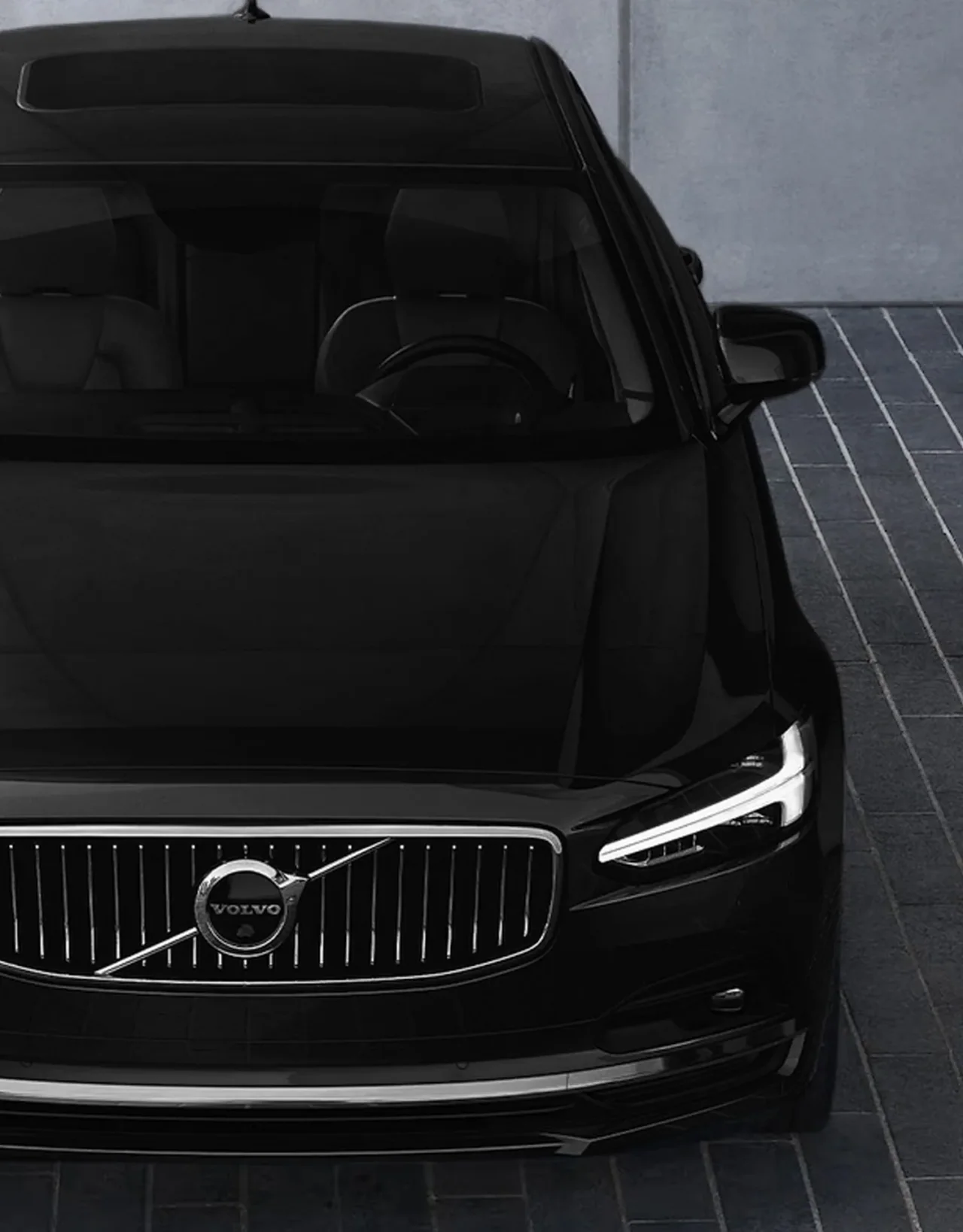
Marquee runs a Volvo S90 sedan, a Cadillac Escalade ESV SUV, and a Mercedes-Benz Sprinter van. Each passes a 35-point inspection before the first booking of the day. Portland taxis generally operate retired Toyota Camrys, Ford Crown Victorias, or former police interceptors with 250,000 plus miles on the odometer, inspected annually under city rules. The taxi fleet gets the passenger across town. The cabin condition, the ride quality, and the day-to-day consistency of vehicle differ from the chauffeur model.
Driver: vetted chauffeur vs medallion operator
A Marquee chauffeur is a vetted W-2 employee on payroll. The role carries workers comp coverage, hospitality training, and answerability to company leadership for conduct and punctuality. A Portland taxi driver is typically a 1099 medallion lease operator. That operator pays a daily or weekly medallion fee and keeps the meter revenue after expenses. The taxi permit course and defensive driving requirements set the baseline. The employment structure shapes the day-to-day incentives and the consistency of service from ride to ride.
Rate predictability: locked quote vs climbing meter
Chauffeur rates lock at booking. An hourly rate plus three-hour minimum or a flat airport quote is the total before tip. Traffic does not change the number. Taxi meters climb with distance, idle time in traffic, and the PDX airport surcharge at the curb. On free-flow days the taxi lands low and wins cost. On a Rose Quarter backup or a Morrison Bridge incident the meter rolls through the delay while the locked chauffeur rate sits still. Predictability matters for corporate expense reports and for tight personal budgets.
Availability protocol: live dispatcher vs call center
Marquee runs a 24/7 live dispatcher at (503) 706-8662 with reservation memory and a record of past bookings tied to the caller. Portland taxi dispatch routes through a call center that assigns whichever driver is closest at the moment. Drivers stay free to decline or cherry-pick fares from the queue. Late-night flight delays reach a live chauffeur dispatcher rather than an automated routing system. For ride continuity across a recurring weekly route, the chauffeur dispatch model holds the same chauffeur and vehicle.
05 Rideshare Leg
UberX, Lyft Standard,
And The Chauffeur Cut.
Rideshare is the third leg most riders weigh against chauffeur service. The comparison is structurally different from the taxi side. UberX and Lyft Standard run on a surge-priced algorithm with 1099 contractors in personal vehicles. The premium tier, Uber Black and Lyft Lux, gets its own deeper comparison at our dedicated piece. This section covers the standard tier. The math splits cleanly along trip length, luggage, and accountability requirements.
When UberX or Lyft Standard wins
A 12-minute ad-hoc ride from a meeting at 11th and Burnside to a dinner reservation at Le Pigeon is a rideshare trip. No advance booking, no three-hour minimum, no luggage to manage. The app pulls a UberX or Lyft Standard car to the curb within a few minutes. The fare on a free-flow afternoon typically lands at a low metered amount. Last-minute pickups inside the metro core, single-rider hops between Pearl District and the South Waterfront, and brief trips with a phone in hand are exactly what the rideshare model was built for.
When the chauffeur wins over rideshare
A PDX return with three checked bags, a multi-hour wedding day from a Pearl District hotel block to a Willamette Valley vineyard, a wine-tour group of six across four tasting rooms, or a corporate-billed weekly route with the same chauffeur and the same Volvo S90 every Tuesday all break the rideshare model. UberX assigns whichever 1099 driver is closest, swaps the car with each booking, and prices the ride against current surge demand. The chauffeur reservation locks the chauffeur, the vehicle, and the rate before the trip starts. The math holds across luggage capacity, route continuity, and corporate billing requirements.
Insurance and driver-employment gap
Marquee carries full commercial liability on every ride across the Volvo S90, Cadillac Escalade ESV, and Mercedes-Benz Sprinter fleet. It is in force the moment the booking is confirmed. UberX and Lyft Standard provide contingent third-party liability that only activates when the app is on and a passenger is in the car. State-minimum personal auto coverage applies outside those windows. Marquee chauffeurs are W-2 employees on payroll with workers comp, hospitality training, and credentialing reviewed for hospital-vendor onboarding and corporate risk-desk approval. Rideshare drivers are 1099 contractors with no employer accountability for conduct, vehicle inspection cadence, or scheduling. Hospital pickups, healthcare-system transport contracts, and corporate vendor lists generally require the commercial liability and W-2 structure rather than the contingent app-on coverage.
The premium-rideshare leg: Uber Black and Lyft Lux
Uber Black and Lyft Lux change the comparison enough to deserve their own treatment. Both run higher-class vehicles with 1099 drivers who hold commercial endorsements, and the surge pricing structure differs from the standard tier. We cover that comparison in detail at Portland chauffeur vs Uber Black, with a parallel comparison against legacy black car service operators. The short version: Marquee still locks the same chauffeur and vehicle to the booking with W-2 accountability, while Uber Black runs the algorithm against a roster of independent contractors with shifting availability.
Frequently Asked
Questions, Answered.
Is a chauffeur more expensive than a Portland taxi?
On paper the chauffeur hourly rate looks higher than a taxi meter drop plus a per-mile charge. On a short downtown hop the taxi wins on cost. A PDX transfer is different. It runs on a locked flat or hourly quote with traffic-proof pricing and no meter climb during an I-5 backup. The reserved rate often nets the same or lower than a metered taxi that sat in the Rose Quarter slowdown. Long routes, wait time, and multi-stop itineraries swing the math toward the reserved ride.
Can I flag down a chauffeur like a taxi?
No. This service in Portland runs on advance reservation only. There is no street hail and no taxi stand queue. The vehicle is pre-assigned to your booking, the chauffeur has your name and flight, and the rate is locked before the ride starts. Taxis still handle the flag-down and the hotel-stand queue at the Benson, the Nines, and the Heathman. Those cover curb-to-curb trips that need a ride in the next five minutes without a reservation.
Do Portland taxis accept credit cards?
Most licensed Portland taxis accept credit cards through an in-vehicle terminal, though cash remains common and some drivers prefer it for short fares. Marquee Chauffeur runs credit card, ACH, and corporate invoice billing through the reservation system with the card on file before the pickup and a receipt emailed after the drop. Corporate accounts bill monthly on net-30 terms rather than per-ride.
Which is better for PDX airport pickup — taxi or chauffeur?
For a pre-booked arrival where the passenger wants to walk out of baggage claim and into a named vehicle, a chauffeur with FlightAware integration pulls the car to the numbered pick-up location before the bags drop. For an unplanned exit with no reservation and no luggage concern, the PDX taxi queue at the Ground Transportation island handles the ride in 5 to 15 minutes, depending on the shift. Taxis charge the meter plus a PDX airport surcharge. A reserved car runs a flat or hourly rate agreed at booking.
Can I reserve a taxi in advance like a chauffeur?
Portland taxi dispatchers accept advance reservations, but the vehicle is not guaranteed to the booking the way a reserved car is. Taxi dispatch assigns whichever driver is closest at the pickup window, and drivers can decline or cherry-pick fares off the queue. A chauffeur reservation locks a specific vetted chauffeur and a specific Volvo S90, Escalade ESV, or Sprinter to the booking. It comes with a written confirmation and a contact number for day-of coordination.
Do Portland taxis have the same insurance as chauffeur services?
Portland taxis operate under city insurance minimums that vary by company and medallion type. Marquee Chauffeur carries full commercial liability coverage on every ride across the Volvo S90, Cadillac Escalade ESV, and Mercedes-Benz Sprinter fleet. For-hire carrier insurance requirements in Oregon are set by the Portland Bureau of Transportation (source: Portland Bureau of Transportation). Corporate travel managers and risk teams often require the higher coverage tier and a certificate of insurance before approving a vendor.
Is tipping required with Portland taxis and chauffeurs?
Tipping is customary for both services in Portland. Taxi passengers typically add a customary percentage to the metered fare. Chauffeur bookings include a standard gratuity on the base rate that goes directly to the vetted chauffeur. It is disclosed on the confirmation and the receipt, so the passenger is not asked for a cash tip at the door. Additional gratuity for extraordinary service is welcomed but not expected on the reserved side.
Can corporate accounts get monthly invoices from Portland taxis?
A few Portland taxi companies offer corporate account billing, though the standard model is per-ride payment at drop-off. Marquee Chauffeur runs monthly corporate billing with QuickBooks invoicing, net-30 terms, and cost-center coding split across departments. Corporate travel managers at downtown Portland firms typically prefer the consolidated monthly invoice over dozens of individual taxi receipts at month-end.
Are Portland chauffeurs and taxis regulated by the same agency?
Both categories fall under the City of Portland Private For-Hire Transportation (PFHT) framework. It covers taxis, limousines, executive sedans, shuttles, and TNCs on city streets. State-level for-hire passenger carriers also hold a Portland Bureau of Transportation permit. Marquee Chauffeur has carried its Portland private-for-hire authority since 2018 with continuous renewal. Individual taxi companies operate under their own medallion or permit structure within PFHT. Insurance minimums, vehicle inspection cadence, and driver-permit requirements vary by operator rather than across a single shared standard.
Can I book a chauffeur for the same short trip a taxi would normally handle?
Yes, but the math rarely pencils on a short curb-to-curb ride under 15 minutes. The three-hour minimum on the Volvo S90 hourly rate comes to a fixed total before gratuity. A Portland taxi meter on a three-mile downtown hop typically lands in a low range. A reserved booking makes sense when the trip is a planned arrival, a multi-stop day on the hourly clock, or a PDX transfer with luggage. It also makes sense for any occasion where the vehicle class and a reserved vetted chauffeur matter more than saving money on a short ride.
Is a chauffeur worth it over UberX or Lyft Standard for a Portland trip?
Depends on the trip. For a 12-minute ad-hoc ride across downtown with no luggage, UberX or Lyft Standard wins on cost and pickup speed. The chauffeur math swings on several trip types. Those include planned airport returns with checked bags, multi-hour bookings where the vehicle waits at the curb between stops, wedding and wine-tour groups that need a specific vehicle class, corporate-billed routes that require a single invoice across many rides, and recurring weekly trips where the same chauffeur and the same Volvo S90 hold the booking. The reservation removes the surge-pricing variable and the rotating-driver variable that the rideshare model carries by design.
How is rideshare insurance different from a chauffeur's commercial liability?
Marquee carries full commercial liability on every ride, in force from the moment the reservation is confirmed across the Volvo S90, Escalade ESV, and Sprinter fleet. UberX and Lyft Standard carry contingent third-party liability that activates only when the app is on and a passenger is in the car. State-minimum personal auto coverage applies outside those windows. The difference matters for hospital-vendor onboarding, healthcare-system transport contracts, and corporate risk desks. Those require a certificate of insurance and a W-2 employment structure before approving a vendor for credentialed pickups. Rideshare contingent coverage rarely satisfies those vendor requirements.
Verified Google Reviews
What Portland clients say about Marquee Chauffeur.
I spent six hours touring the Columbia River Gorge with the owner of this service, and I was really impressed with his professionalism, attentiveness, and local knowledge. As he says, they really are like a chauffeur/concierge, not just taking you from one place to another but providing a full experience. I look forward to riding with them again on my next trip.
Edris — has absolutely hands down have to be the best driver ever. I would absolutely recommend his service! He's so professional, so efficient. On time and so respectful!
These guys are terrific. Two thumbs up. Found them online and got excellent personal service. Used them to get from PDX to about two hours away …. And then back to PDX a few days later. On time. Super professional drivers. Vehicles in spectacular shape. Brand new. They will be out go to service. We recommend them highly.
Marquee Chauffeur holds a 5.0 rating across 198 Google reviews. Read every review on Google.
Reserve Your Chauffeur
Reserve a Portland
Chauffeur Now.
Book your Portland chauffeur ride now. Call Marquee Chauffeur at (503) 706-8662, available 24/7. PDX airport transfers with FlightAware tracking, hourly multi-stop business itineraries, wedding and anniversary transport, Willamette Valley wine tours, and corporate travel on net-30 billing all covered under Portland private-for-hire permitting with vetted chauffeurs and a 35-point daily inspection across the Volvo S90, Cadillac Escalade ESV, and Mercedes-Benz Sprinter fleet.