

From Jet Bridge To Back Seat
Portland Airport Pick Up The Walk Home Starts At The Gate.
Your traveler has just landed inside the newest finished airport terminal in America, an eleven-year, $2.15 billion rebuild declared complete in June 2026, under a nine-acre wooden roof cut from forests within 300 miles. Between their seat and your back seat lie a concourse, two brand-new exit lanes, an escalator, a carousel, and a numbered curb, and every handoff in that chain is where pickups go right or wrong. This is the whole walk, narrated in order, with the airport's own map language, so the reunion happens on the first pass.
By Ilyas KhairiFounder, Marquee ChauffeurLicensed and permitted since 2018
- Licensed & Permitted
- $1M Insured
- 5.0 / 198 Reviews
- W-2 Chauffeurs
- 35-Point Inspection
Last updated: September 23, 2026
By Ilyas Khairi, Founder of Marquee Chauffeur · Licensed and permitted since 2018 · Updated September 23, 2026
TL;DR
One terminal, lettered concourses, all roads leading to Level 1. Since April 2026, permanent north and south exit lanes give arriving travelers a direct path from gate to baggage claim, and the Port's own map numbers the curb as Pick-up Location 1 through 10, with a marked limo and town car zone on the same level. Greeters may enter baggage claim freely; gates require an airline-issued pass. Say a location number, not a door, and the pickup works the first time.
The pickup-method rulebook lives on the methods audit, the classic timing failures on the failures guide, and the tracking that times it all on the tracking guide.
01 The Setting
The Building They're
Landing Into.
Set the scene properly, because your traveler is deplaning into a civic landmark. On June 30, 2026, the Port of Portland declared the terminal rebuild complete: eleven years, $2.15 billion, on time and on budget without a single day of closure, growing the building nearly 40 percent while halving energy use per square foot, sized for 35 million annual travelers against today's 19 million. Overhead spans the signature: a nine-acre mass timber roof that its architects at ZGF built from 3.5 million board feet of wood sourced within 300 miles, engineered to ride out a 9.0 earthquake, lit by dozens of skylights over seventy-plus live trees. The reunion you are driving toward happens under all of it.
One terminal, full stop
The forum panic, is a C gate in the new terminal, dissolves on arrival: PDX has one terminal, and the letters are concourses feeding the same central hall. Nobody can exit the wrong building. The gate letter matters for one thing only, which side's exit lane your traveler will descend from.
The geography in one sentence
Concourses B and C branch from one wing and D and E from the other, with the terminal core between them, a layout readable at a glance on the Port's own printable map. Alaska traffic dominates one side, the legacy carriers cluster across, and both funnel to the identical Level 1 endgame.
Why the roof is worth mentioning
Telling a first-time visitor to look up as they exit the concourse is genuinely useful pickup choreography: the wooden ceiling, the trees, and the 120-foot video walls are unmistakable landmarks, and a traveler oriented by the big room finds the escalators without a single text. Architecture as wayfinding, working as designed.
Still settling in places
Completion declared does not mean cones vanished: the airport notes some baggage-claim areas remain temporarily closed for updates with signs routing around them, and the printable map has carried tunnel-closure notes. The walkthrough below describes the durable layout; on any given week, trust the posted signs over memory.
02 The Walk
Gate To Escalator Via
The New Exit Lanes.
The mid-walk chapter improved dramatically in April 2026, when the Port opened two permanent exit lanes on the terminal's north and south ends, replacing the construction-era detour through the concourse connector and moving the building from one central exit to two, one per side. The Port's own phrasing is the pickup-relevant part: a shorter, more direct path from your gate into the main terminal and down to baggage claim, with direct routes through the full terminal open for the first time. In practice your traveler walks their concourse toward the light, exits security on their own wing, crosses the big room, and rides down to Level 1, a sequence that runs minutes shorter than anything the construction years taught locals to expect.
The two-exit consequence
North-side arrivals exit north, south-side exit south, and each lands nearest its own end of baggage claim, which is precisely why the gate letter is worth one glance from whoever is driving: it predicts which carousels and which numbered curb positions the traveler will surface closest to.
The connector, for the curious
The long-running local question about walking between concourses post-security has its happy ending in the finished building: direct routes through the full terminal exist again, which mostly matters to connecting travelers, and to greeters only as trivia. Arriving passengers simply flow with the exit signage on their own side.
Deplaning, honestly budgeted
Row 8 reaches the big room ten minutes before row 34, a spread no tracking feed publishes, which is why the walk chapter deserves a flexible five-to-fifteen-minute line in any pickup budget. The failures guide runs the full arithmetic; the walkthrough's job is just naming the chapters in order.
Where the gate pass fits
Meeting an unaccompanied minor or a traveler needing help at the gate itself requires the airline's cooperation: per the airport's guidance, gate passes are obtained at the airline's ticket counter, at its discretion. There is no general visitor pass, so for everyone else the reunion point is Level 1, and it is a good one.
03 Level 1
Carousels, Welcome Booths,
And A Curb With Numbers.
Level 1 is where the walkthrough pays off, because the Port's own interactive map names everything a pickup needs: numbered baggage carousels, oversized-bag claims, a Welcome Booth, a ground-transportation information booth, the MAX station entrance, elevators to the parking structures, and, most usefully of all, the curb itself numbered as Pick-up Location 1 through 10, with a marked Limo and Towncar Pickup zone on the same level. That numbering is the fix for the oldest pickup failure in the book: two people describing the same curb differently. The professional instruction is a sentence, meet at Pick-up Location 7, matched to the carousel the flight feeds, and the amateur version, I'm outside by the doors, retires with honor.
Our confirmations name the location number in advance, which is most of what choreography means: (503) 706-8662.
Match the number to the carousel
The craft detail: pick-up locations run the length of the building, so the right one is the one outside your traveler's carousel, knowable in advance from the airline and flight. A pickup staged at the far end adds a full terminal walk with luggage to someone who just crossed a continent.
The bags chapter, briefly
Local consensus and the carrier's own guarantee put Alaska bags at the carousel within about twenty minutes of gate arrival on a normal night, with rarer bad nights running long, arithmetic the failures guide owns in full. For the walkthrough, the rule is simply that the curb meeting keys off bags-in-hand, not wheels-down.
The inside-greeting option
Because baggage claim is public, the warmest version of this walkthrough moves the meeting indoors: greeter at the carousel, bags handled together, one elevator ride to a parked car, the method and its four-dollar price tag audited in the methods guide. Our meet-and-greet grade is that plan with a name board and a professional.
First-timer text, ready to send
The whole guide compresses into the message we send arriving guests: follow exit signs on your side, ride down to baggage claim, collect bags at your carousel, and walk straight out to the numbered pick-up location in your confirmation, where the chauffeur is already holding your name. Four clauses, zero improvisation.
04 The Choreography
What A Professional Pickup
Adds To A Finished Airport.
A completed terminal with numbered curbs is a gift to everyone, and it still leaves the variables that make pickups fail: the flight that lands early against a driver parked at home, the carousel that runs long against a five-minute curb clock, the phone that dies between the jet bridge and Level 1. The professional version closes each one: dispatch tracks the aircraft from wheels-up, the tracking guide explains the pipeline, so staging matches reality rather than the schedule; the 30-minute grace window (45 on international arrivals) absorbs slow bags without a meter running; the meeting point is fixed in writing before anyone flies, so a dead phone changes nothing; and the vehicle waits at the marked limo and town car zone or the greeter stands inside with the board, both squarely within the airport's own system. The walkthrough is free; the guarantee that it unfolds on schedule is the product.
Priced for the whole walk
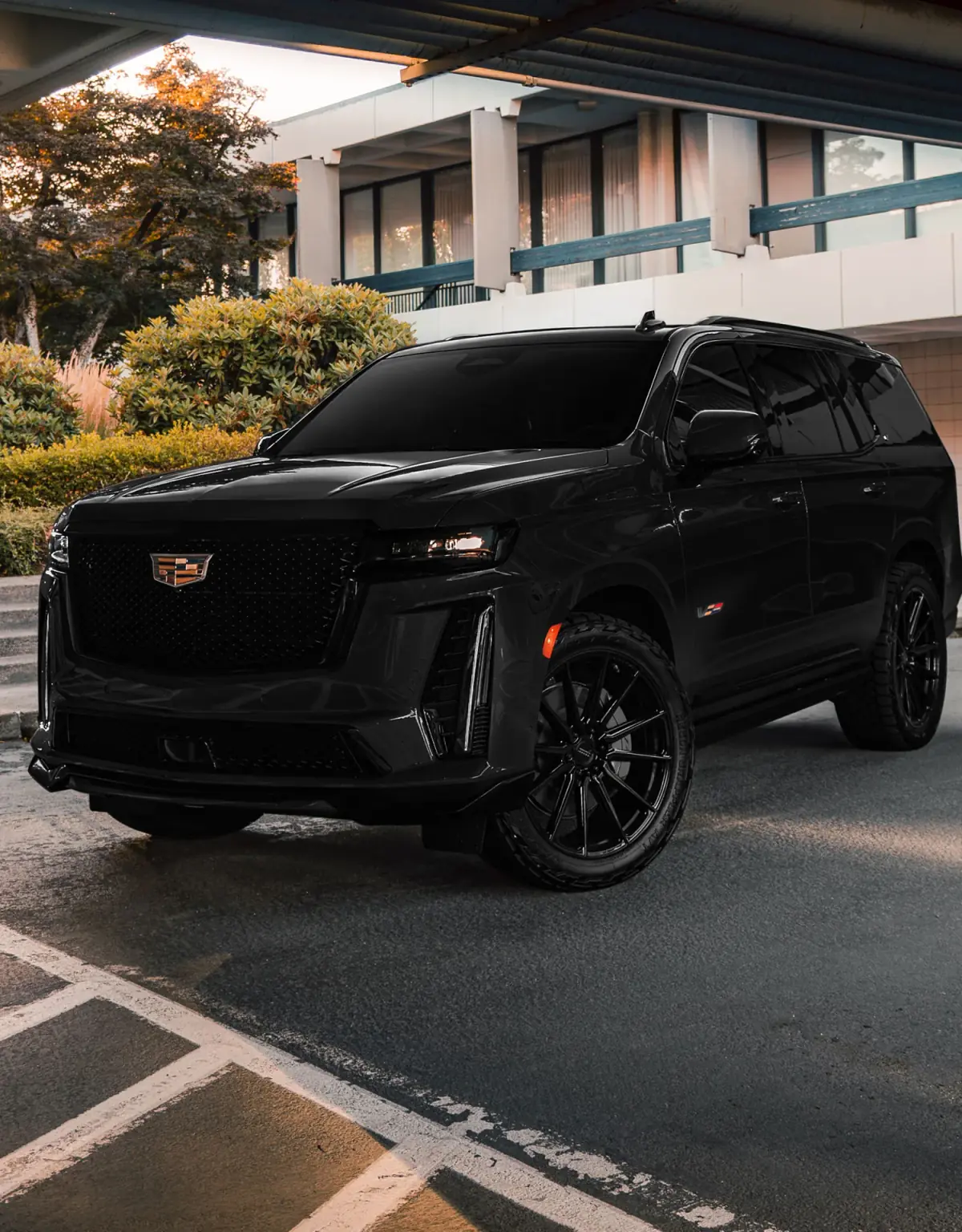
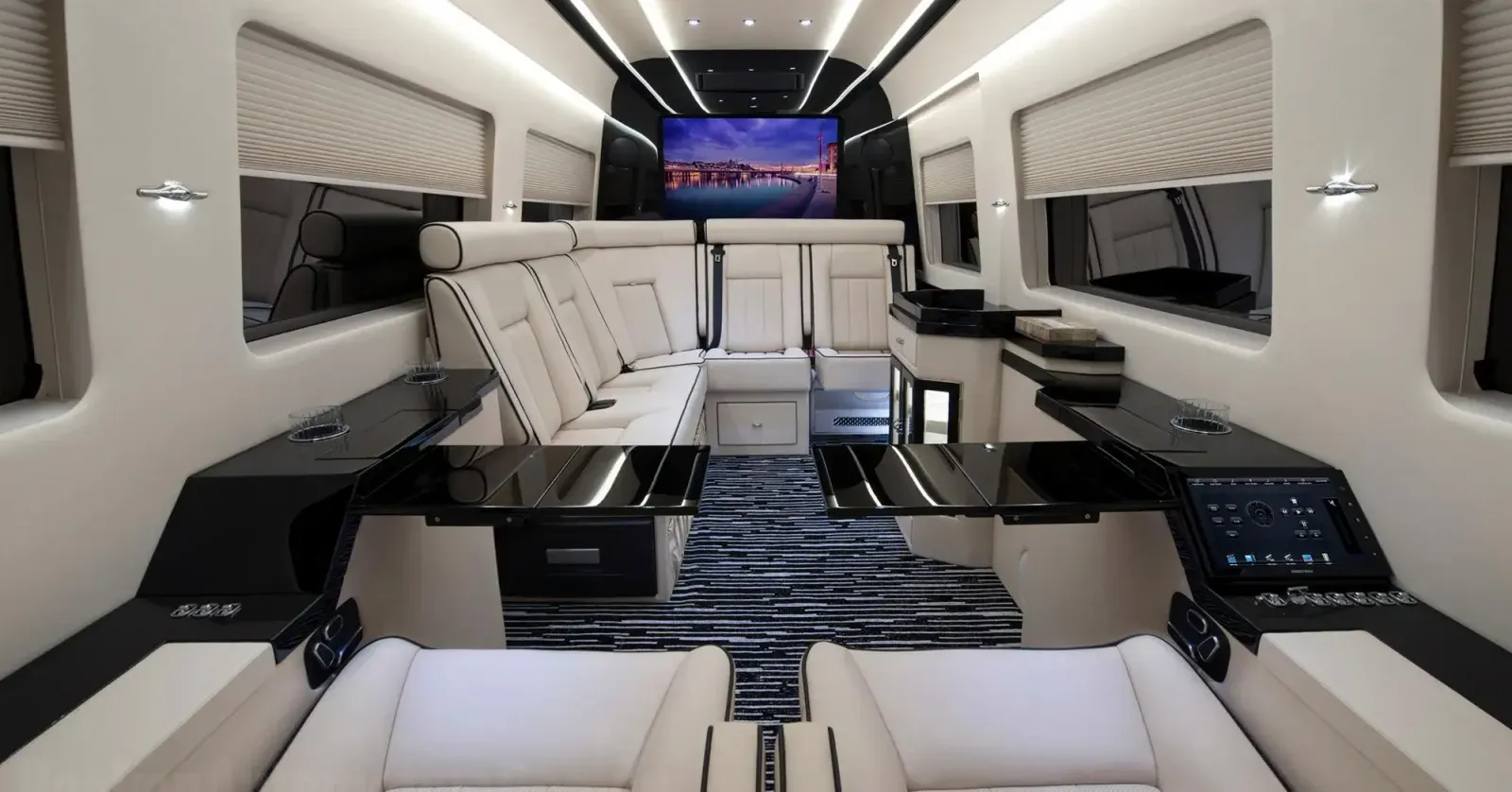
The Portland pickup books about two hours door to door, roughly $150 in the Volvo S90, $190 in the Escalade ESV, $326 in the Sprinter, flat-quoted with tracking and the grace window inside the number. Every chapter of the gate-to-curb walk is somebody's job before the plane lands, and that somebody is dispatch.
Guests, delivered oriented
For visitors landing at PDX for the first time, the confirmation doubles as a guide: their concourse side, their carousel, their location number, the chauffeur's name. Hosts who book guest pickups hand their visitors a working knowledge of the building along with the ride, which is hospitality in its logistics form.
Late nights, same walk
The building's lobby runs all night and the walkthrough works at 12:50 a.m. exactly as at noon, with one difference the red-eye guide documents: the transit and rideshare options thin while the booked car does not. The after-midnight arrival is where pre-named choreography stops being convenience and becomes the plan.
The standing arrival file
Portland households with regular arrivals keep the walkthrough on file through Portland town car service: preferred meeting grade, usual airlines, the visiting in-laws' annual pattern. The building is finished; the file makes every arrival feel like it.
Frequently Asked
Questions, Answered.
Where to pick up arriving passengers at PDX?
On the lower roadway outside baggage claim, at one of the numbered pick-up locations the airport's own map labels Pick-up Location 1 through 10, matched to the carousel your traveler lands nearest. The airport also marks a dedicated limo and town car pickup zone on the same level. The single most useful thing a driver and traveler can exchange is a location number, because the building finally numbered them for exactly this purpose.
Is there only one terminal at PDX?
Yes, one terminal with lettered concourses, which is why the forum question about which terminal a C gate belongs to has a calming answer: they all funnel into the same magnificent room. Concourses B and C branch from one wing and D and E from the other, and since the 2026 completion of the rebuild, direct routes run through the full terminal. Your traveler cannot exit the wrong building; there is only the one.
Where is baggage claim at PDX?
Level 1, one floor below the ticket lobby, holding the numbered carousels, the oversized-bag offices, welcome and ground-transportation information booths, the MAX station entrance, and the numbered curbside pick-up locations just outside. Escalators and elevators drop from the terminal core, and the new north and south exit lanes send arriving travelers down by a shorter, more direct path than the construction-era route.
Can anyone walk into baggage claim?
Yes, baggage claim and the public side of the terminal are open to greeters, no ticket required, which is what makes the inside welcome possible. Past security is different: PDX has no general visitor-pass program, and escorting someone to or from a gate requires a gate pass issued at the airline's ticket counter at the airline's discretion. Plan the reunion for Level 1; it is built for exactly that scene.
How long does it take to get off a plane and get your baggage?
Deplaning runs a few minutes to fifteen depending on your row; the walk to Level 1 is shorter since the permanent exit lanes opened; and carousel time varies by airline, with local travelers reporting Alaska bags typically inside twenty minutes of deplaning, backed by that carrier's published guarantee, and occasional bad nights running far longer. Budget thirty to forty-five minutes gate to curb with a checked bag, and let the chauffeur track the flight rather than the estimate.
How is a gate-to-curb pickup priced?
As one flat number covering about two booked hours door to door: roughly $150 in the Volvo S90, $190 in the Escalade ESV, $326 in the Sprinter, with FlightAware tracking, the 30-minute grace window (45 on international arrivals), and the 20 percent service fee all inside the quote. The inside greeting, a chauffeur at the carousel with a name board, adds $75. Gratuity is optional and never appears as a second line.
How close to landing can a pickup still be booked?
Same-day works when a vehicle is free; call (503) 706-8662 and the dispatcher answers plainly either way. The reliable standard is 24 to 48 hours ahead, more during holiday arrival waves. In both cases the confirmation names your numbered pick-up location in advance, the flight is tracked from wheels-up, and the chauffeur stages about 15 minutes before landing, keyed to the aircraft rather than the schedule.
About the Author
Ilyas Khairi runs Marquee Chauffeur under Portland Bureau of Transportation certification held since 2018, with $1 million in commercial liability and W-2 chauffeurs on payroll. He watched the terminal rebuild across its entire eleven years from the pickup curb, switched his confirmations to the Port's numbered locations the week the map published them, and still tells first-time visitors to look up when they reach the big room.
Verified Google Reviews
What Portland clients say about Marquee Chauffeur.
I spent six hours touring the Columbia River Gorge with the owner of this service, and I was really impressed with his professionalism, attentiveness, and local knowledge. As he says, they really are like a chauffeur/concierge, not just taking you from one place to another but providing a full experience. I look forward to riding with them again on my next trip.
Edris — has absolutely hands down have to be the best driver ever. I would absolutely recommend his service! He's so professional, so efficient. On time and so respectful!
These guys are terrific. Two thumbs up. Found them online and got excellent personal service. Used them to get from PDX to about two hours away …. And then back to PDX a few days later. On time. Super professional drivers. Vehicles in spectacular shape. Brand new. They will be out go to service. We recommend them highly.
Marquee Chauffeur holds a 5.0 rating across 198 Google reviews. Read every review on Google.
Reserve Your Chauffeur
Reserve a Portland
Chauffeur Now.
Land in the finished building, leave in a finished plan: (503) 706-8662, available 24/7. Portland pickups at about $150 in the Volvo S90, $190 in the Escalade ESV, $326 in the Sprinter, flat-quoted with the meeting point named by number in advance, FlightAware tracking from wheels-up, a 30-minute grace window (45 on international arrivals), and curbside or inside meet-and-greet grades, under Portland private-for-hire permitting since 2018 with $1 million in commercial liability.