

Private Ground, Professional Craft
Lake Oswego Airport Limousine Estate Pickups, Done Quietly.
Lake Oswego is a city built around private geography: a 405-acre lake whose banks stay privately held, deeded access rights that cannot be bought or transferred, gated lanes the city's own code caps at three homes, and twenty-five neighborhood associations minding all of it. Serving airport travel here is a craft with its own file: gate protocols arranged in advance, household staff coordinated, narrow lanes staged correctly, and discretion kept as strictly as the schedule. This is that file, opened.
By Ilyas KhairiFounder, Marquee ChauffeurLicensed and permitted since 2018
- Licensed & Permitted
- $1M Insured
- 5.0 / 198 Reviews
- W-2 Chauffeurs
- 35-Point Inspection
Last updated: September 23, 2026
By Ilyas Khairi, Founder of Marquee Chauffeur · Licensed and permitted since 2018 · Updated September 23, 2026
TL;DR
Estate pickups run on arrangements made before the vehicle rolls: gate access cleared through the household or gatehouse at booking, the city's codified access lanes, twenty feet of easement, twelve of pavement, staged from the mouth rather than reversed down, and household preferences held in a permanent file. Rideshare's own guidance ends with the rider walking to the gate; ours ends at the door.
The compliance file behind the operation lives on the operator's view guide, occasion planning on the occasion playbook, and the black-car standard on luxury black car service.
01 The Geography
Why Is Lake Oswego
A Private-Ground City?
Start with the lake: the water itself was deemed public in the courts' long-running saga, but the city's own summary notes the beds and banks remain privately held, with the Lake Oswego Corporation, steward since 1942, administering deeded access privileges that cannot be sold, purchased, or transferred. Around that center, twenty-five recognized neighborhood associations and adjacent enclaves like Forest Highlands mind their streets. Privacy here is not an amenity; it is the founding document.
What the deed structure teaches
A town where lake access traces to century-old recorded instruments is a town that takes arrangements seriously and expects its service providers to. The operator who shows up with process, named, expected, cleared, matches the local grammar; the one who improvises at the gate does not.
The scale of gated America
Industry research counts hundreds of thousands of community associations housing tens of millions of Americans, and Lake Oswego sits at the craftsman end of that spectrum. Gate protocol is not an edge case in modern service work; it is a core competency, and this city grades it.
Eight miles, one standard
The city profile puts Lake Oswego eight miles south of downtown Portland, incorporated in 1910, wrapped around its 405 acres of water. The airport sits a comfortable half hour beyond, and nothing about the drive is the hard part. The first hundred feet are the craft.
A city still growing carefully
The state's certified estimates put the population at 41,474 and inching upward, growth measured in dozens, which is exactly the pace a private-geography town intends. The clientele compounds the same way: household by household, referral by referral, file by file.
02 The Gate
How Does A Professional
Actually Clear The Gate?
Compare the two protocols side by side. Uber's published guidance for private communities tells its drivers to ask the rider to phone gate security, and, if access is still refused, to have the rider come out to the gate, the passenger walks to the car. The delivery forums run the same script nightly, drivers idling at keypads, residents pleading for codes in community groups. The chauffeured protocol inverts all of it: access is arranged at booking through you or your gatehouse, the vehicle and chauffeur are named where the community wants names, and the arrangement lives in your file so it never has to be negotiated twice.
Codes, handled like keys
Where a household shares a code, it is treated as what it is, a key: held in the secured file, never in a text thread, changed in our records the day you change it at the keypad. Communities rotate codes precisely because casual services scatter them; professionals bank them.
The gatehouse relationship
Staffed gates run on expected-visitor lists, and the professional move is to be on them before the morning: booking confirmed, vehicle described, arrival window given. A guard who expects the car waves it through in seconds, and the passenger upstairs never knows the question was ever asked.
Household staff, coordinated
Estate pickups often route through a house manager or assistant rather than the traveler, and the file reflects it: who confirms, who opens the gate, who receives the luggage cart, whose number the chauffeur calls and whose is never dialed. Serving the household means learning its org chart once.
The second pickup is the product
Any competent service can manage one arranged arrival. The estate standard is that the second, tenth, and fortieth need no arranging at all, the file remembers the gate, the lane, the dog, and the preferred door, and the household's only task is being ready. Memory is the luxury.
03 The Lane
Access Lanes, Private Roads,
And Where The Vehicle Stops.
Lake Oswego writes its private geometry into code: access lanes serving flag lots run on a twenty-foot easement carrying twelve feet of pavement and may serve at most three homes, per the city's development standards. Oregon adds the social layer in ORS 105.175: easement holders share maintenance costs in proportion to use, which means every private lane in this city is pavement its residents personally pay to keep, and they notice what drives on it. Our staging rule follows from both facts: narrow lanes are entered only when the geometry welcomes it, and staged from the mouth when it does not.
Describe your lane once and it goes in the file: (503) 706-8662.
Why the sedan rules the lanes
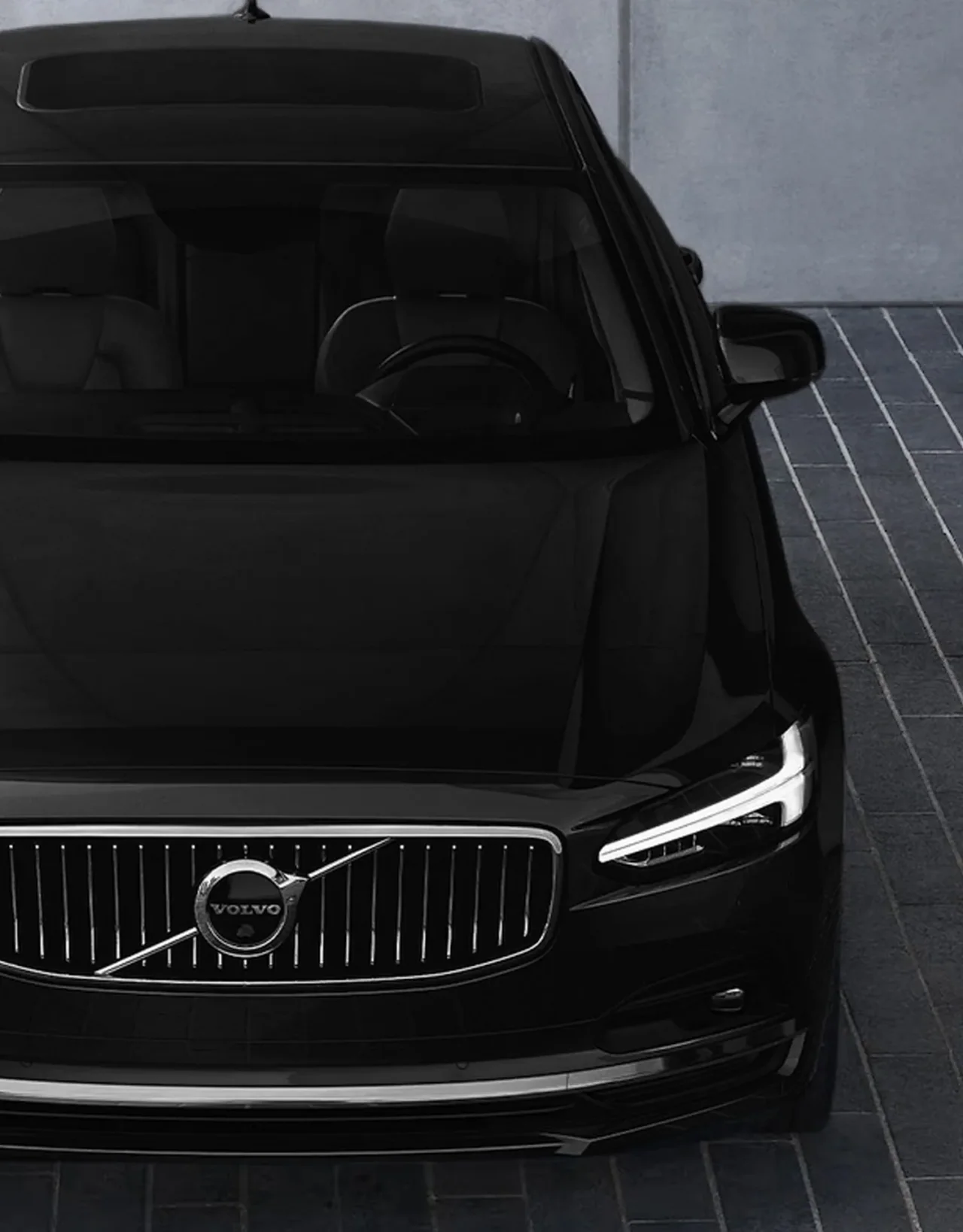
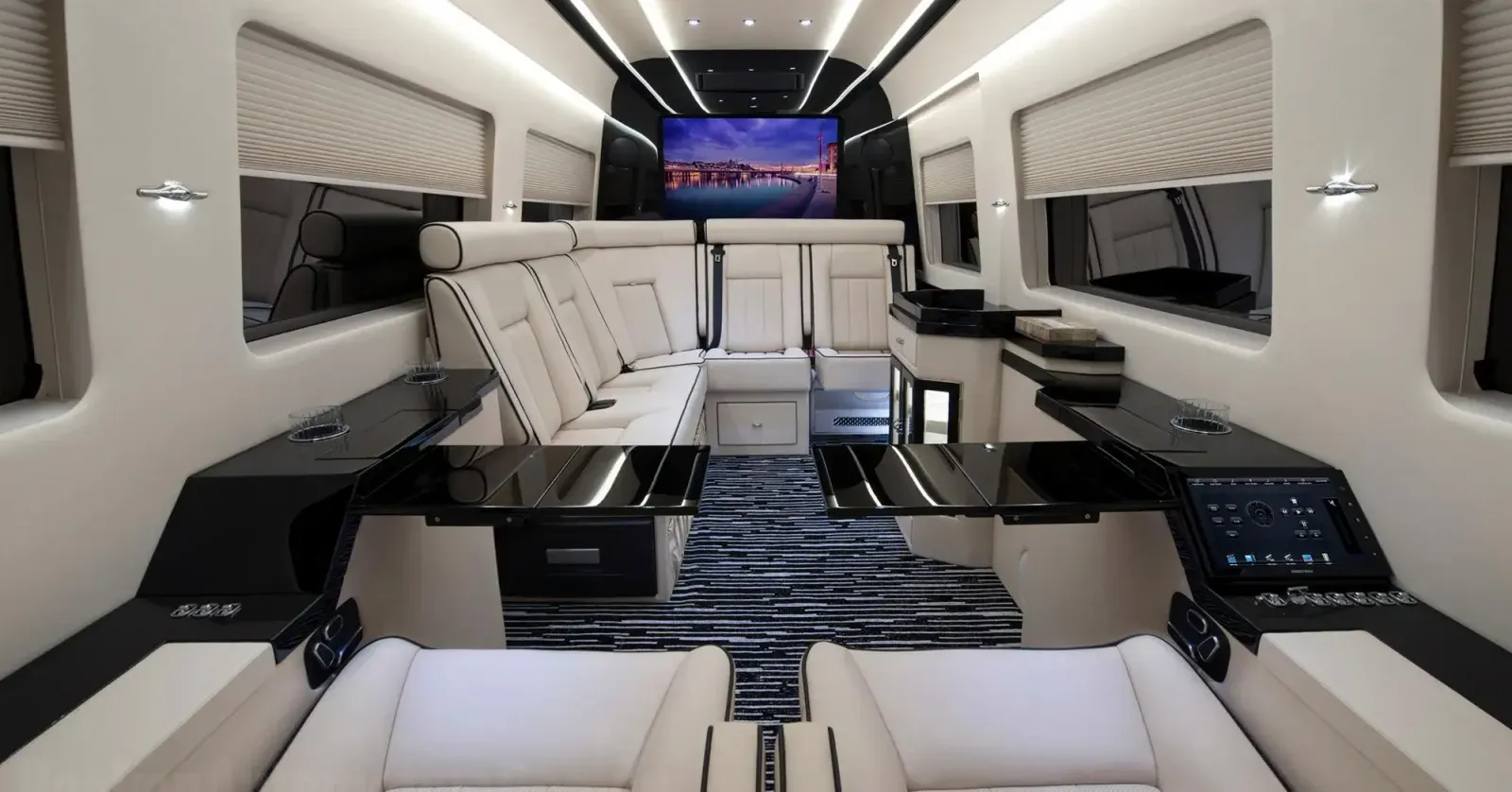
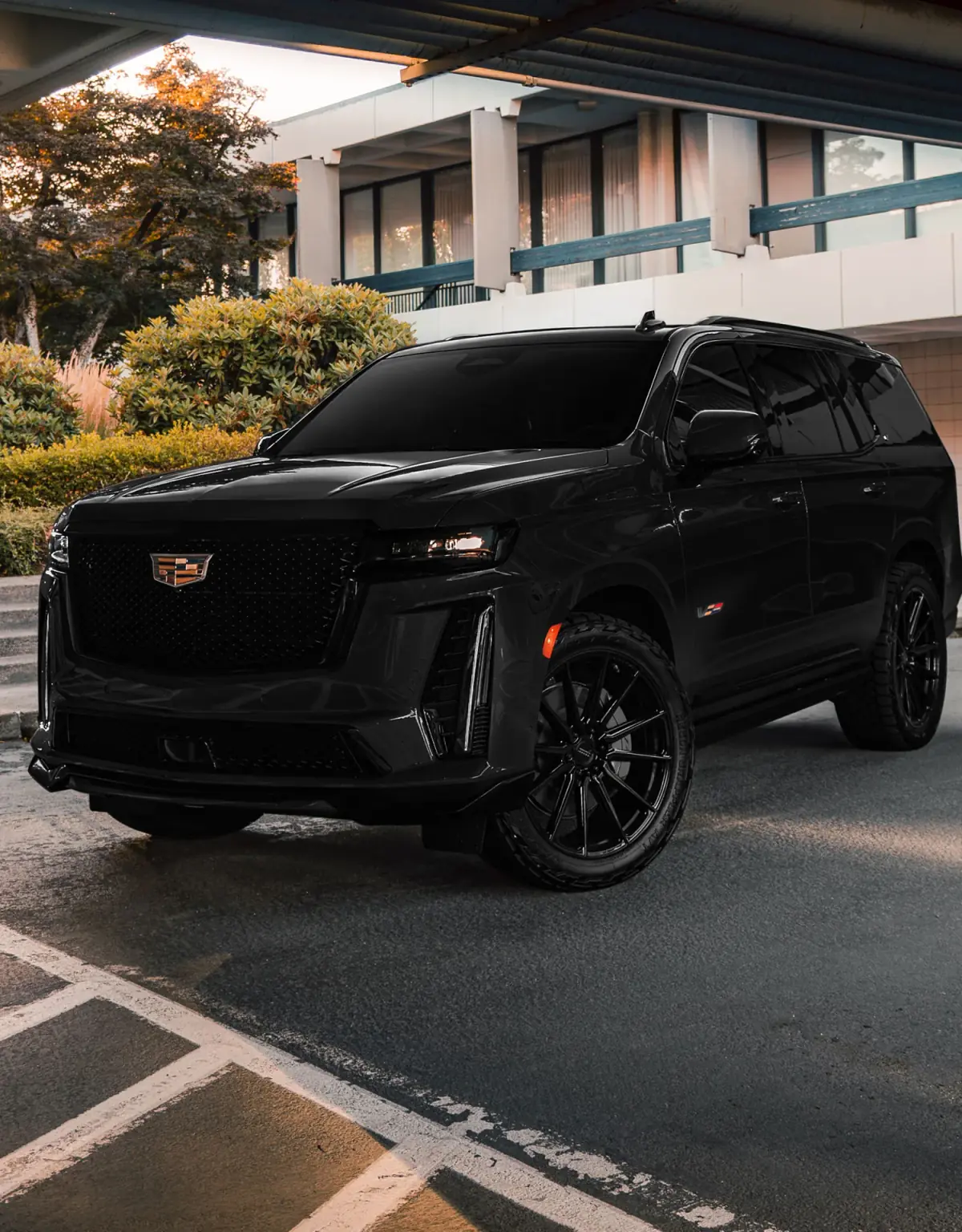
Twelve feet of pavement flatters a sedan and humbles everything larger, which is why the S90 owns Lake Oswego's flag-lot work: in, turned where the code's geometry allows, and out forward. The Escalade takes the open driveways; the Sprinter meets group bookings where the lane permits or stages at its mouth.
Respecting paid-for pavement
Because residents fund their own lanes by statute, professional courtesy is measurable here: no idling on the easement, no three-point improvisation on a neighbor's apron, no shortcut across the shared gravel. The lane's co-owners are watching, and they are also the referral network.
The pin problem, estate edition
Flag lots defeat map pins in Lake Oswego the way they do everywhere, the marker lands at the road, the house hides behind a neighbor, and the fix is identical: the approach is confirmed at booking and written down. On private ground the stakes are just higher, because the wrong driveway here belongs to someone.
Night moves on the lake
Predawn departures from lakefront lanes get the full quiet protocol: lights managed on approach, engine off while waiting, luggage walked rather than rolled where gravel carries sound across water. The lake amplifies everything at 4 a.m., including professionalism.
04 The Standard
What Does Discretion Mean
As A Working Spec?
Absolute discretion is one of this company's four pillars, and on estate work it becomes an operating specification rather than a slogan. The practical form: itineraries shared inside the operation on a need-to-run basis, no client names in radio traffic, no social media from any assignment, household details kept in the file and nowhere else, and a cabin where conversation happens only if the passenger opens it. Second-home owners and public-facing clients test these specs constantly, which is exactly how specs stay honest. When luggage count decides the vehicle, the PDX vehicle selection guide runs the capacity math.
The second-home rhythm
Households that split the year fly patterns: out for months, back for seasons, with the house waking before they land. The standing arrangement covers it, the same pickup protocol on both ends of the absence, the file dormant but never discarded, and the first ride home indistinguishable from the last one out.
Guests of the house
Estate service extends to the household's orbit: visiting family collected at PDX under the house's arrangements, guests returned to red-eyes after the weekend, all on the household's file and billing, with the host's standards applied to people who never chose the vendor. That transfer of trust is the whole business.
What we never trade on
No client roster, no notable-passenger stories, no photographs of driveways that took years to earn. The marketing cost of silence is real and worth paying, because in a town of twenty-five neighborhood associations, reputation travels the lanes faster than any advertisement.
The rates, unchanged by the gate
Estate craft rides on the standard card: Volvo S90 at $110 per hour, Escalade ESV at $135, Sprinter at $165, typically two booked hours to PDX, with FlightAware tracking and the 30-minute grace window (45 on international arrivals) on arrivals. The file, the protocol, and the silence come with the rate, not on top of it.
Frequently Asked
Questions, Answered.
Can Uber drivers enter gated communities?
Only by improvisation: Uber's own guidance tells drivers to have the rider phone gate security, and if access is still refused, the rider must walk to the gate to meet the car. That protocol, repeated fresh with every trip, is the structural difference from a chauffeur service whose gate arrangements are made once and kept on file.
Is there a universal code to get into gated communities?
No, and communities work hard to keep it that way; codes rotate, clickers are registered, and guardhouses log entries. The honest answer for any service you hire is process, not codes: an operator your community's gate expects, cleared in advance through you or the gatehouse, is the only version that works every time.
What is the difference between a private road and an easement?
A private road is owned by its residents or association; an easement is a legal right to cross land someone else owns. Oregon law makes easement holders share maintenance in proportion to use, which is exactly why estate residents care who drives their lane and why professional vehicles treat private pavement with visible respect.
Is there a right-of-way on a private road?
Only for those granted it: owners, their guests, and services they invite. A pre-arranged chauffeur arrives as an invited guest of the household with the visit expected, which is a different legal and social footing from a marketplace driver following a pin onto pavement the map should not have routed them down.
How does a car service get through a gated community?
The professional version is arranged before the vehicle ever rolls: access confirmed with you or your gatehouse at booking, the vehicle description and chauffeur name provided where the community wants them, and the arrangement noted in your permanent file so the second pickup never re-asks the first pickup's questions.
Does an estate or gated-community pickup cost more in Lake Oswego?
No. The gate protocol, the lane notes, the household file, and the discretion standard all ride the ordinary card: Volvo S90 at $110 per hour, Escalade ESV at $135, Sprinter at $165, each all-in with the 20 percent service fee, typically two booked hours to PDX. Lake Oswego fares are quoted firm at booking, so the arrangement's craft never appears as a line item, and gratuity is optional, never added.
About the Author
Ilyas Khairi runs Marquee Chauffeur under Portland Bureau of Transportation certification held since 2018, with $1 million in commercial liability and W-2 chauffeurs on payroll. The estate file described in this guide is real, kept, and deliberately boring to read, which is precisely what its households pay for.
Verified Google Reviews
What Portland clients say about Marquee Chauffeur.
I spent six hours touring the Columbia River Gorge with the owner of this service, and I was really impressed with his professionalism, attentiveness, and local knowledge. As he says, they really are like a chauffeur/concierge, not just taking you from one place to another but providing a full experience. I look forward to riding with them again on my next trip.
Edris — has absolutely hands down have to be the best driver ever. I would absolutely recommend his service! He's so professional, so efficient. On time and so respectful!
These guys are terrific. Two thumbs up. Found them online and got excellent personal service. Used them to get from PDX to about two hours away …. And then back to PDX a few days later. On time. Super professional drivers. Vehicles in spectacular shape. Brand new. They will be out go to service. We recommend them highly.
Marquee Chauffeur holds a 5.0 rating across 198 Google reviews. Read every review on Google.
Reserve Your Chauffeur
Reserve a Portland
Chauffeur Now.
Arrange it once; the file remembers forever. Call Marquee Chauffeur at (503) 706-8662, available 24/7, and set up your household's protocol, gate, lane, staff, preferences, in one conversation. Volvo S90 at $110 per hour, Escalade ESV at $135, Sprinter at $165, every Lake Oswego airport booking with FlightAware tracking, a 30-minute arrival grace window (45 on international arrivals), and discretion kept as strictly as the schedule, under Portland private-for-hire permitting since 2018 with $1 million in commercial liability.