


For The Family Doing The Booking
Camas WA Airport Limousine Assisted Travel, Planned Whole.
The forums are full of the same worried post: a parent in Camas flying across the country, an adult child in another state trying to arrange help from afar. The good news nobody tells them is that most of the system already exists, airlines must escort your parent from terminal entrance to aircraft seat by federal rule, TSA runs a support program for the checkpoint, and PDX issues gate passes for older travelers. The gap is the first mile, from the front door to that terminal entrance. This guide walks the whole chain, including the part that is our job.
By Ilyas KhairiFounder, Marquee ChauffeurLicensed and permitted since 2018
- Licensed & Permitted
- $1M Insured
- 5.0 / 198 Reviews
- W-2 Chauffeurs
- 35-Point Inspection
Last updated: September 23, 2026
By Ilyas Khairi, Founder of Marquee Chauffeur · Licensed and permitted since 2018 · Updated September 23, 2026
TL;DR
Assisted air travel is a relay: the airline legally owns terminal-entrance-to-seat, TSA Cares owns the checkpoint with 72 hours' notice, and a gate pass can put one family member alongside. What no federal rule covers is home to the terminal door, and PDX's own curb rules require drivers to stay with their vehicles. That first-mile gap is what a chauffeured booking closes, both directions, with the handoffs made properly.
Winter vehicle craft for east county lives on the winter operations guide, neighborhood pickup notes on the Camas neighborhood guide, and everyday sedan work on Camas town car service.
01 The System
What Help Already Exists,
And Who Provides Which Piece?
Assisted travel is three agencies in a relay, and knowing the exchange zones is the whole game. The airline owns the longest leg: under federal disability rules, it must promptly assist a passenger who requests it from the terminal entrance through security and onto the aircraft seat, free, with the same service in reverse on arrival. TSA Cares owns the checkpoint, with trained support specialists arranged at least 72 hours ahead. And the family can join the relay with a gate pass. What none of them owns is the trip from a Camas front door to that terminal entrance.
The airline's leg, by rule
Request assistance when booking the flight, and have your parent self-identify at the counter on the day. The escort, the checkpoint passage, preboarding, and the aircraft seat are all the airline's obligation from that point, and on arrival the same service runs to baggage claim and the curb.
TSA's leg, by request
TSA Cares takes requests at least 72 hours out, by form or phone, and its scope is precise: help through screening, not to the gate and not from the curb. Travelers 75 and older also get modified screening, shoes on, seated screening available.
The 30-minute comfort clause
The federal rule most worried families have never heard: an airline assisting a passenger who is not independently mobile may not leave them unattended for more than 30 minutes. The system is imperfect, but it is not indifferent, and the rule gives the remote-booking child something concrete to hold the airline to.
The unowned first mile
Every protection above begins at the terminal entrance. The drive from Prune Hill or Washougal, the bags from the hall closet to the counter, the pacing of a slow morning: no agency owns it, most airlines offer no curbside help, and that is the leg this company was built for.

02 The Family's Leg
The Gate Pass, And Whether
You Can Walk Them In.
You often can. PDX's caregiver guidance names the older solo traveler explicitly as a case for a gate pass, issued at the airline's ticket counter with government ID, typically one escort per passenger, at each airline's discretion. Alaska, the dominant carrier at PDX, suggests arriving two hours early for wheelchair requests and roughly ninety minutes early where escort passes are involved, with the gate reached 45 minutes before departure. Stack those numbers honestly and an assisted departure is a three-hour project, which is exactly why the ground leg should not add stress to it.
The timing chain, assembled
Work backward: gate 45 minutes out, counter two hours out, wheelchair arrival possibly 30 minutes after request, and the 25-minute drive from Camas in front of it all. A 10 a.m. flight means a pickup near 7:15, decided calmly the week before rather than discovered in the driveway.
When to use the gate pass
First solo flight after a diagnosis, a connection to manage, anxiety that a stranger's escort will not soothe: those mornings justify the pass and the extra ninety minutes. For routine trips, the airline escort plus a proper curbside handoff serves most families better than a half-day of parking-garage logistics.
The escort-or-driver dilemma
PDX's accessible loading zones require the driver to stay with the vehicle, which forces the cruel choice on a solo family helper: park far and walk them in, or drop and stay behind the wheel. A chauffeured booking dissolves it; the family member escorts, the vehicle is someone else's job.
Tipping, settled quietly
Airport wheelchair service is free by rule and tipped by custom, PDX's own pages say gratuities are appreciated. Send small bills, or ask us to handle the handoff gratuity as part of the booking notes; it is a detail, and assisted travel is made entirely of details.
03 Our Leg
Door Through Door, And The
Handoffs Made Properly.
Here is the assisted booking as we actually run it from Camas. The chauffeur arrives early and unrushed, loads the bags from inside the doorway, and paces the morning to the traveler rather than the clock, the margin was engineered at booking. At PDX, the vehicle stops where the walk is shortest, the bags travel to the airline counter, and the handoff to the airline's escort is made in person, not assumed, with the wheelchair request confirmed at the desk. On the return, the airline's escort ends at the curb, and our car is already standing on it, tracked to the actual arrival with the 30-minute grace window (45 on international arrivals) absorbing a slow claim.
Booking from out of state for a parent here? That is half our assisted work; one call sets the whole file: (503) 706-8662.
The remote-booking file
The adult child books; the file holds the rest: the parent's pace, hearing or memory notes, the neighbor with a key, your number for live updates, and whether Dad accepts help or must be allowed to refuse it twice first. Dispatch texts you at pickup and drop-off, unprompted.
The vehicle choice, honestly
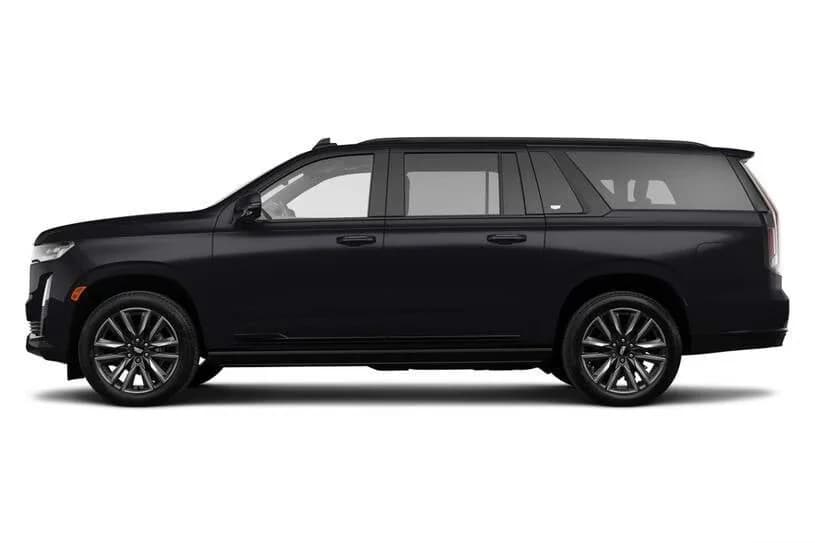
The S90's low, wide door openings suit most assisted riders; the Escalade adds ride height some hips prefer and swallows a walker or travel wheelchair without folding negotiations. Say what your parent uses and dispatch assigns accordingly; there is no wrong answer, only a right fit.
The return leg's quiet trap
Airline assistance delivers an arriving traveler to the curb and cannot wait with them or arrange the ride onward. An unbooked return strands the least app-capable traveler at exactly the handoff point. Book both legs together and the relay has no dropped baton.
Camas's own senior net
The city's senior programs at the Community Center on SE 7th Avenue, and the published Camas-Washougal Senior Resource Guide, are worth every local family's bookmark. Air travel is one morning; the resource net is year-round, and the good operators in town all know each other.
04 The Checklist
The Remote Coordinator's
Complete Checklist.
Everything above, compressed into the list worried families actually need. At flight booking: request wheelchair assistance on the reservation and note the preboarding right. At least 72 hours out: contact TSA Cares if the checkpoint itself is the worry. The week before: book the ground legs, both directions, with the assistance notes in the file, and decide the gate-pass question against the airline's policy. Travel day: counter two-plus hours early, self-identify, hand off in person or via the chauffeur, and let the relay run. Every item is a phone call or a form, and none of them is improvable by worrying instead. When luggage count decides the vehicle, the PDX vehicle selection guide runs the capacity math.
What to tell each party
The airline needs the assistance request and any battery-powered mobility device flagged early. TSA Cares needs the specific concern. We need the pace, the equipment, the door, and your number. Nobody needs a medical history; everybody needs the practical sentence.
The cost picture, plainly
The airline escort is free, TSA Cares is free, the gate pass is free, and the chauffeured legs book at standard rates, S90 at $110 per hour, Escalade ESV at $135, typically two hours door to terminal. Assisted travel's premium is planning, not money, and most of the planning is one afternoon.
When the answer is escort service
Some travelers need a companion through the whole journey, not a relay of handoffs, the flight-nanny question the forums ask. That is beyond a ground operator's honest scope, and worth arranging through family or dedicated travel-companion services; we will say so rather than overpromise, and we will still run both airport legs flawlessly.
The standing arrangement
Parents who fly seasonally, to the grandchildren, to the winter place, become standing files: the same notes, the same patient protocol, a booking that takes one text. Ongoing family arrangements run through Camas limo service, and the file only improves with use.
Frequently Asked
Questions, Answered.
Can you assist an elderly person to their gate at the airport?
Two official routes exist: the airline's own escort, which federal rules require from the terminal entrance all the way to the aircraft seat on request, and a gate pass, which lets one family member through security with an older traveler at the airline's discretion. PDX documents both, and the airline ticket counter is where each begins.
What is the procedure to get wheelchair assistance at the airport?
Request it when booking the flight, then self-identify at the airline counter on travel day. Federal rules require the airline to provide prompt assistance from the terminal entrance through security to the seat, free of charge, with preboarding included. At PDX, allow up to 30 minutes for the wheelchair to arrive, which the timing chain in this guide already budgets.
Can I accompany my elderly parent to the gate?
Often, with a gate pass: PDX's caregiver guidance names the older solo traveler as exactly the case airlines may issue one for. Visit the airline's ticket counter together with government-issued ID, allow roughly 90 extra minutes, and know that policies vary by carrier and generally admit one escort per passenger.
How much do you tip for wheelchair assistance at the airport?
The service itself is free by federal rule, and PDX's own pages note gratuities are appreciated; a few dollars to ten is a common range for a terminal escort, more for a long haul with bags. Send your parent with small bills, or handle it at the handoff if you are escorting to the counter.
Can seniors be fast tracked through security at airports?
Travelers 75 and older get modified screening under TSA's own policy, shoes can stay on, and seated screening is available for those who cannot stand, while TSA Cares arranges a Passenger Support Specialist for anyone needing help through the checkpoint when contacted at least 72 hours ahead. It is not a skip-the-line pass; it is a gentler line.
About the Author
Ilyas Khairi runs Marquee Chauffeur under Portland Bureau of Transportation certification held since 2018, with $1 million in commercial liability and W-2 chauffeurs on payroll. The assisted-travel protocol in this guide was built one Camas grandmother at a time, and the dispatch texts to out-of-state adult children are, by his accounting, the most read messages the company sends.
Verified Google Reviews
What Portland clients say about Marquee Chauffeur.
I spent six hours touring the Columbia River Gorge with the owner of this service, and I was really impressed with his professionalism, attentiveness, and local knowledge. As he says, they really are like a chauffeur/concierge, not just taking you from one place to another but providing a full experience. I look forward to riding with them again on my next trip.
Edris — has absolutely hands down have to be the best driver ever. I would absolutely recommend his service! He's so professional, so efficient. On time and so respectful!
These guys are terrific. Two thumbs up. Found them online and got excellent personal service. Used them to get from PDX to about two hours away …. And then back to PDX a few days later. On time. Super professional drivers. Vehicles in spectacular shape. Brand new. They will be out go to service. We recommend them highly.
Marquee Chauffeur holds a 5.0 rating across 198 Google reviews. Read every review on Google.
Reserve Your Chauffeur
Reserve a Portland
Chauffeur Now.
Set the whole chain in one call: (503) 706-8662, available 24/7. We book both ground legs with your parent's notes on file, make the airline handoff in person, and text you at pickup and drop-off unprompted. Volvo S90 at $110 per hour, Escalade ESV at $135 with room for the walker, every Camas assisted booking with FlightAware tracking and a 30-minute arrival grace window (45 on international arrivals), under Portland private-for-hire permitting since 2018 with $1 million in commercial liability.