

The Meeting Before The Meeting
Beaverton Airport Meet & Greet Your Client's Visit Starts At Baggage Claim.
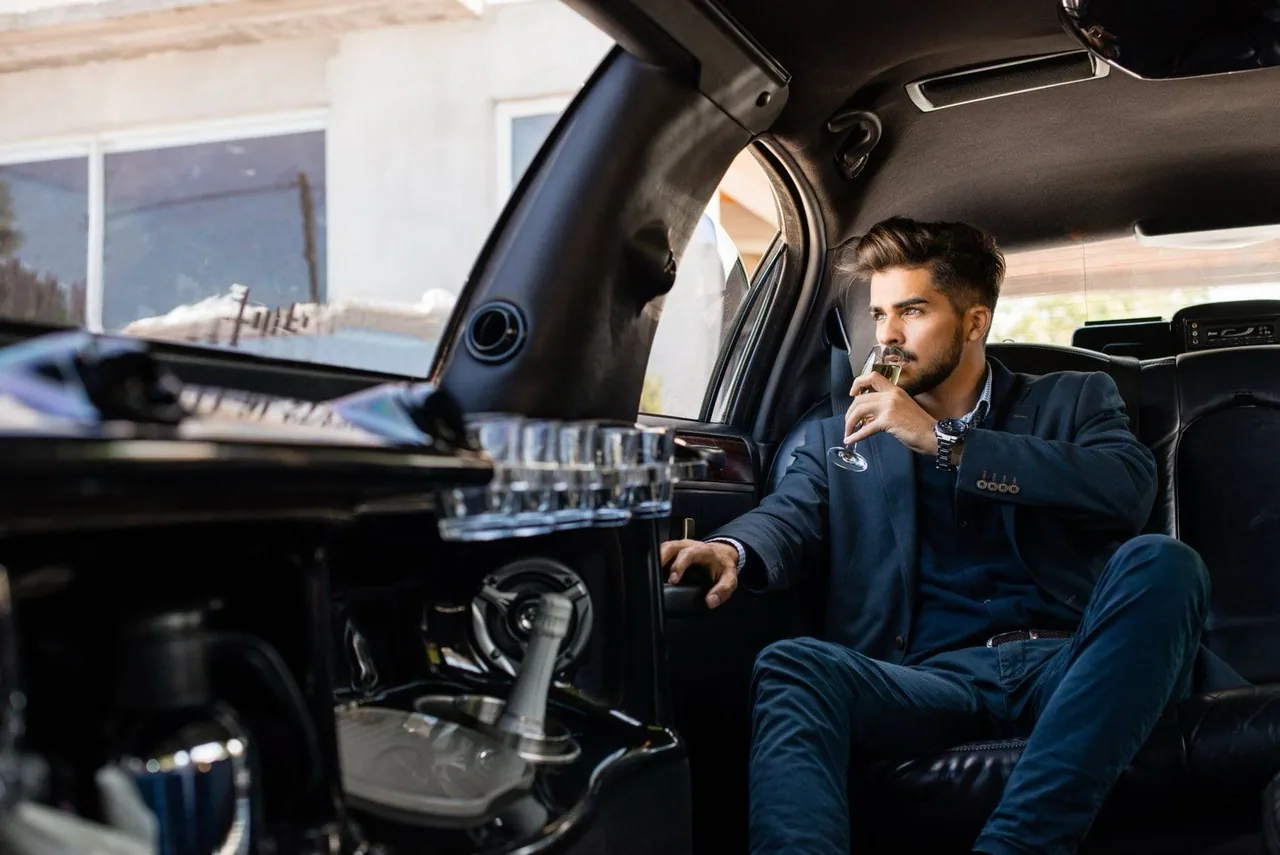
Somewhere over the Rockies, a person your company invited is finishing the slide deck they will present in your conference room tomorrow. What happens in their first hour on the ground, whether a name board finds them or a pickup-zone line does, sets the visit's temperature before anyone shakes hands. This playbook walks the hosted arrival end to end: the duty-of-care climate that raised the stakes, the who-books-what norms the forums argue about, the choreography of the arrival hour itself, and the research showing that a meeting which starts ten minutes late measurably underperforms.
By Ilyas KhairiFounder, Marquee ChauffeurLicensed and permitted since 2018
- Licensed & Permitted
- $1M Insured
- 5.0 / 198 Reviews
- W-2 Chauffeurs
- 35-Point Inspection
Last updated: September 23, 2026
By Ilyas Khairi, Founder of Marquee Chauffeur · Licensed and permitted since 2018 · Updated September 23, 2026
TL;DR
The climate: two-thirds of travel programs cite safety concerns and a third are re-writing duty-of-care policies, while the share of travelers holding their employer most accountable for their safety has jumped by half since 2020. The norms: hosts arrange senior guests' travel, hotels mostly don't cover the arrival leg, and organizational research shows meetings starting ten minutes late produce measurably worse ideas. The playbook: book the arrival like part of the agenda, because it is. About $150 in the S90, flat.
The greet's operator-side anatomy lives on the arrival anatomy, the airport's meeting geography on the arrival walkthrough, and the favor-versus-hired logic on the favor economy guide.
01 The Stakes
Duty Of Care Moved
From HR Binder To Boardroom.
The hosted arrival got more serious while nobody was watching. In the business-travel association's spring polling, industry optimism dropped from 59 to 41 percent in a single quarter, 67 percent of programs cite employee-safety concerns, and 36 percent report re-evaluating duty-of-care policies outright. The traveler's side of the ledger moved further: this year's global traveler survey finds 27 percent now hold their employer most accountable for protecting them, up from 18 percent in 2020, with two-thirds hesitant about traveling at all and barely half confident their company could get them out of trouble. Translate the abstractions to a curb: the client you invited increasingly expects the ground arrangements to be yours, and judges the visit partly by whether they were.
The accountability transfer
A traveler who holds their employer accountable for safety extends the same expectation to any host who issued the invitation: your visit, your arrangements. The arranged pickup is duty of care's smallest, most visible unit, and its absence reads as policy, not oversight.
The paradox worth exploiting
The same survey finds 93 percent of travelers say work trips improve their well-being, hesitant and hopeful at once. Hosts sit exactly at that hinge: a visit that begins with a practiced arrival converts the hesitation into the good version of the trip, which is the cheapest client-experience investment on the agenda.
What re-evaluated policy looks like
Programs rewriting duty-of-care are standardizing exactly the practices this guide walks: known providers over anonymous marketplaces, arrivals met rather than improvised, itineraries someone is actually watching. The westside host who adopts them early is simply ahead of their visitor's own policy.
The candidate corollary
The 200-comment forum threads about companies asking interviewees to front travel costs read as verdicts: the arrangements are the message. A candidate flown in, met by name, and delivered rested to the interview learns more about the employer than the tour will teach, in both directions.
02 The Norms
Who Books What,
By Professional Convention.
The etiquette has published norms. For candidates, the career-guidance consensus is that companies arrange or cover travel for senior roles and limited candidate pools, flights and hotel most commonly, meals usually excluded, and HR publishes template policies for exactly this. For clients, the older rule of hospitality applies, the etiquette authorities' host-pays principle extending naturally from the dinner table to the itinerary. And the gap nobody warns hosts about: hotels largely do not cover the arrival leg. Even properties with branded chauffeur programs commonly run them departures-only, one airport hotel's own guest-services page directs arriving guests to ask their airline, and luxury flagships that do offer arrival meet-and-greets book them a day ahead through the concierge at a charge. The arrival hour, in other words, defaults to no one, which is precisely why the deliberate host claims it.
The unclaimed hour
Map any hosted visit and one segment has no default owner: wheels-down to hotel lobby. The airline's duty ends at the carousel, the hotel's begins at the desk, and the guest's own company assumes the host handled it. Whoever claims that hour, owns the first impression; this guide's advice is simply to claim it on purpose.
The who-pays clarity rule
Every forum horror story shares one root: arrangements assumed rather than stated. The professional form is a sentence in the invitation, we'll have a car meet you, send your flight number, which settles payment, logistics, and tone in eleven words. Ambiguity is the only actual etiquette violation available here.
Handshake science, applied
The etiquette canon's point that a great handshake makes a lasting impression scales up: the arrival is the visit's handshake, offered before anyone is in the room. A guest greeted by name at the carousel has received the firm, warm version; the one decoding a garage pickup zone got the limp one, from nobody in particular.
Interview travel, done honorably
For flown-in candidates the honorable spec is complete: travel booked by the company, arrival met, hotel handoff smooth, return leg confirmed before the interview ends. It costs a rounding error against the search itself and is, by every thread on the subject, remembered longer than the lunch.
03 The Choreography
The Arrival Hour,
And The Ten-Minute Study.
The hour itself runs on craft this program has documented from the operator's side, the tracked flight, the staging call, the board held where deplaning traffic funnels, and the host's version adds three decisions: the greet grade (curbside suits the frequent flyer, the inside board suits first visits and long hauls), the onward order (hotel-first restores a red-eye arrival, office-first suits the tight agenda, asked, never assumed), and the cabin's temperature (briefing materials offered, silence honored). Behind the courtesy sits measurable stakes: organizational researchers studying meeting lateness found that meetings starting just ten minutes late produced fewer, lower-quality, and less feasible ideas than on-time controls, with satisfaction and effectiveness sliding alongside. The botched arrival is how visits inherit that penalty before they begin: the guest who lands frazzled delivers the degraded meeting, and nobody in the conference room can name why.
The arranged arrival is, quite literally, idea-quality insurance: (503) 706-8662.
Grade by guest, not by rank
The choice between curbside and the inside board tracks the guest's situation, not their title: the road-warrior VP may prefer the fast curb while the first-time vendor visiting from abroad deserves the board and the walk. The file records each guest's answer once, and repeat visits inherit it.
The briefing-packet move
The polished host's signature: tomorrow's agenda, the attendee list, and the dinner reservation, placed in the seat pocket rather than emailed at midnight. The drive from the airport is twenty-five captive, calm minutes; offered, not imposed, it is the best prep window the visit will ever have.
The hotel handoff
The arrival ends at a front desk, and the last choreography is informational: the chauffeur confirms the reservation exists before pulling away, the same thumbs-up protocol our send-off guide runs in reverse. A guest re-booking a lost reservation alone at 11 p.m. undoes the entire hour that preceded it.
The return leg closes the loop
Hosting ends where it began: the departure drop-off booked before the visit starts, its send-off craft our departures guides document, and the guest's last memory of the visit is the same competence as the first. One call books both ends, which is exactly how deliberate it should feel.
04 The Circuit
The Westside The Visit
Actually Connects To.
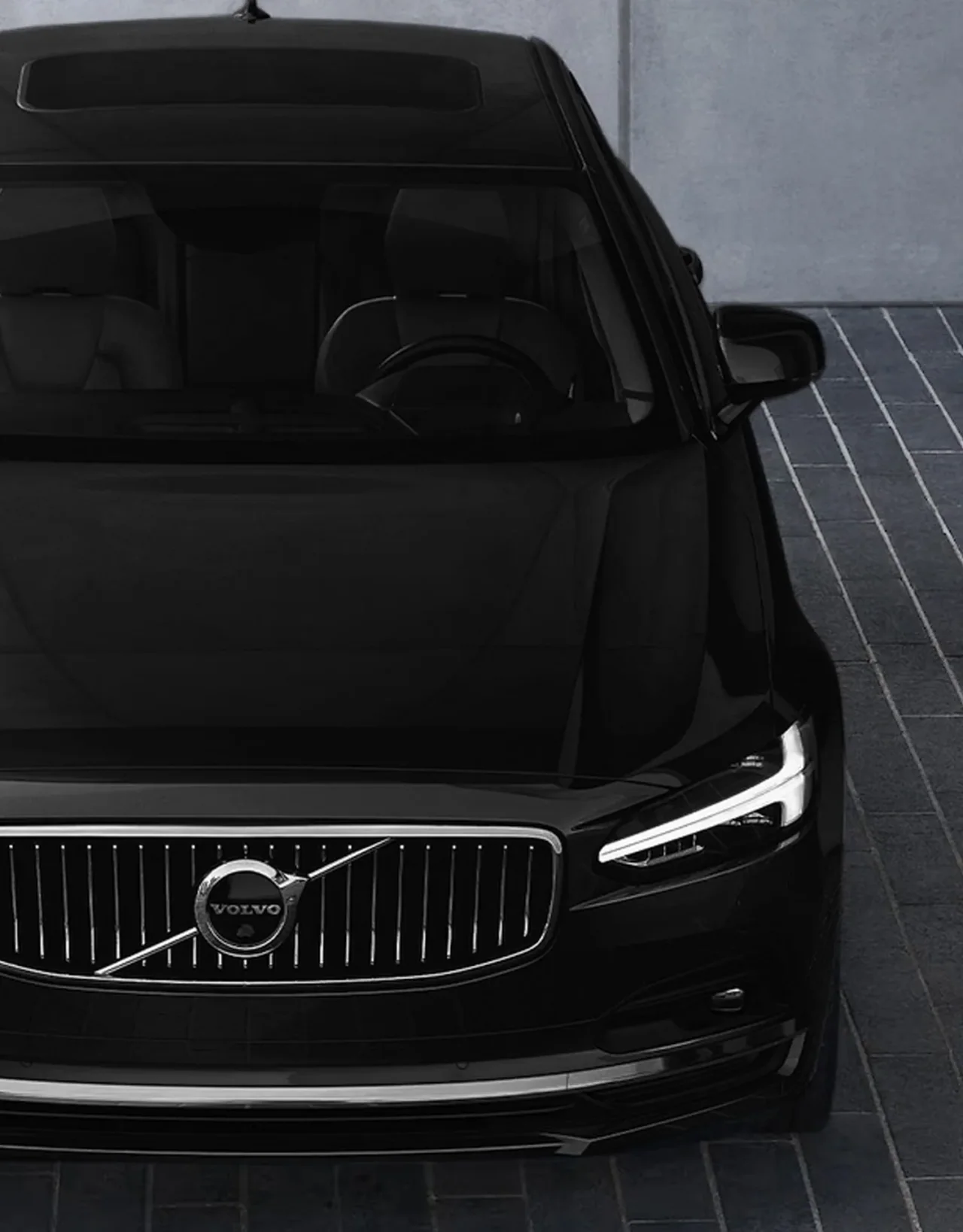
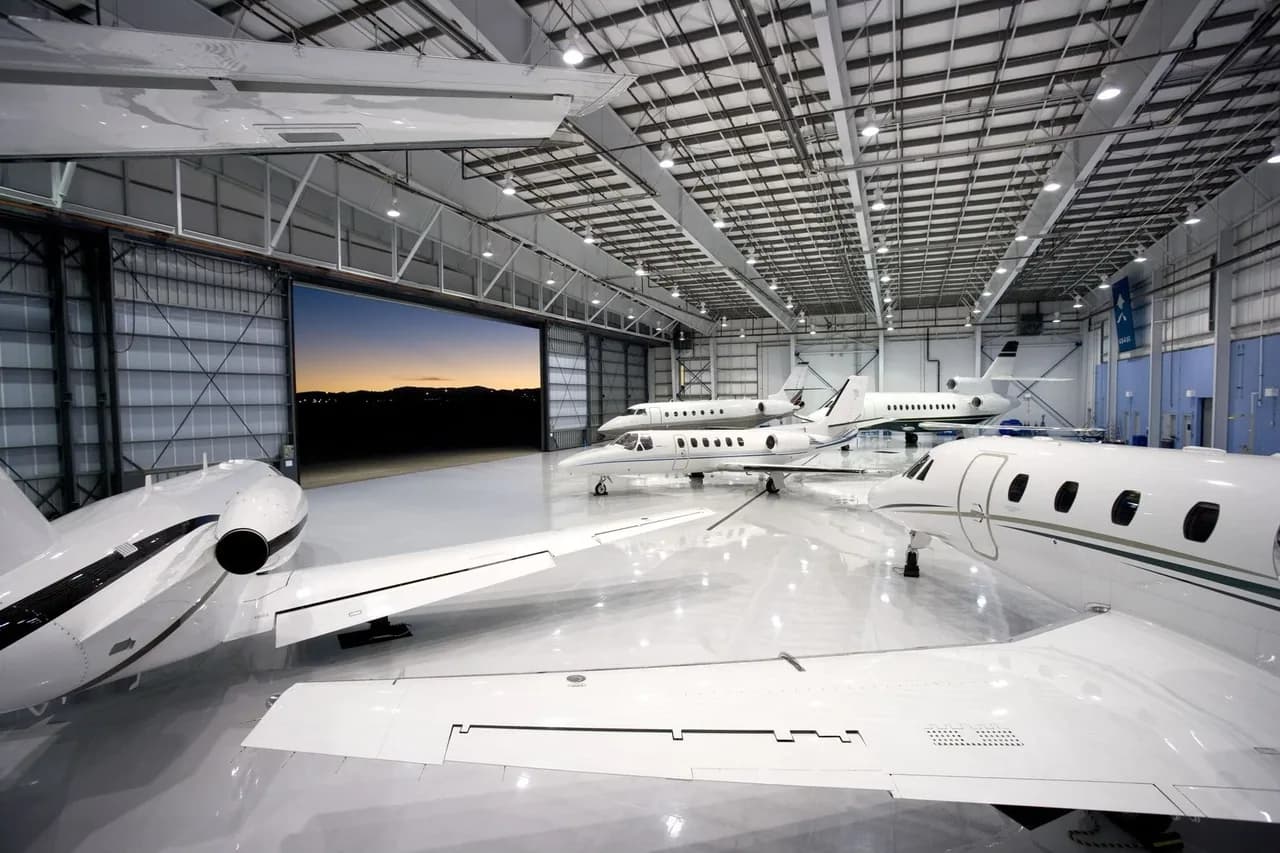
The client flow this playbook serves has a map. By the regional development group's current employer rankings, the westside corridor concentrates the region's visitor magnets: Intel's 17,600 people in Hillsboro and Aloha, Nike's 10,500 in Beaverton, Lam Research's 4,000 in Tualatin, with Tektronix, ASML, Tokyo Electron, and Qorvo filling the semiconductor-and-sportswear circuit between. Every one of those campuses receives a continuous stream of exactly the travelers this guide describes, vendors, candidates, auditors, partners, and every one of their visits contains the same unclaimed hour. Our side of the playbook is the standing corporate file: guest profiles with greet grades, the westside routes driven daily, the flat rates that make hosting budgetable, about $150 per arrival in the Volvo S90, $210 in the Escalade ESV, $345 in the Sprinter for the delegation-sized visit, and both ends of every trip bookable in one message from an EA who has better things to do. The same choreography runs one suburb west in the Hillsboro airport meet-and-greet guide, and the service itself books as meet-and-greet pickup at PDX.
The delegation variant
Supplier delegations and visiting teams scale the playbook, one Sprinter, one greeter, fourteen seats, rather than a convoy of app rides converging on a garage. The group arrival is where the arranged version stops being polish and becomes the only plan that actually works.
The EA's one-message booking
The working interface is deliberately small: guest name as the board should read it, flight number, hotel, greet grade, done. Dispatch runs the tracked-arrival machinery our anatomy guide documents, and the assistant who sent the message gets the only update that matters, delivered.
Where the favor rule applies
Sometimes the founder should personally collect the guest, the relationship where showing up is the message, our favor-economy guide's intimacy exception in corporate dress. The playbook's rule: let that be a choice made for its meaning, never a default made from not planning.
The standing corporate file
Westside teams that host monthly keep the whole playbook standing through Beaverton town car service: recurring guests profiled, greet grades recorded, the circuit's addresses on file. Hosting stops being a scramble and becomes a signature, which was always the point.
Frequently Asked
Questions, Answered.
When should you pick someone up from the airport?
For a business guest, the answer is a policy rather than a time: the host arranges the pickup whenever the visit was the host's invitation, senior candidates, clients, board visitors, and times it to the gate-arrival clock our pickup guides teach, roughly twenty to thirty minutes after landing for domestic arrivals with bags. The deeper answer this guide argues: the busier the guest, the more the arranged arrival matters, because it is the meeting before the meeting.
How do you welcome clients who visit your office?
The professional frameworks all start earlier than the lobby: the welcome begins at the airport, runs through a planned arrival hour, and only then reaches the personalized greeting, the prepared room, and the farewell that mirrors it. The client who was met by name at baggage claim walks into your building already convinced the visit was planned; the one who navigated a rideshare pickup zone with luggage arrives having run your first impression themselves.
Do companies fly people out for interviews?
Routinely for senior roles and specialized searches: employer-arranged flights and hotel are the standard for high-level positions or thin local candidate pools, with meals typically excluded, and the forums treat a company that asks candidates to front their own travel as a warning sign. The logic extends to the curb: the candidate flown in at your expense and then abandoned to airport logistics receives a strangely mixed message, which the arranged pickup completes correctly.
How to properly pick someone up from the airport?
The business-grade version has four moves: track the flight rather than the schedule, meet inside at baggage claim with a name board or at an exactly-named curb point, handle the bags without being asked, and have the onward plan, hotel first or office first, already decided with the guest's preference asked in advance. Every move says the same thing, we planned for you, which is the entire message a client arrival exists to send.
What are some ways to make picking someone up at the airport more comfortable and convenient? Do you have any tips for this?
Comfort is mostly the removal of small negotiations: the guest should never wonder where to stand, whose car to look for, or whether to mention they are starving. Fix the meeting point in writing, greet by name, load bags without ceremony, stock water, and read the cabin, some arrivals want the briefing packet, others want eleven silent minutes. For hosted business guests, hiring the practiced version of all this is what the meet-and-greet grade is for.
What should a Beaverton host budget for a client's meet and greet arrival?
Two numbers, both fixed before wheels-down: the transfer, quoted firm at booking and running about $150 in the Volvo S90, $210 in the Escalade ESV, or $345 for a Sprinter delegation, plus the $75 inside-terminal meet-and-greet, which covers the chauffeur parked and inside early, the name board, and bag handling from carousel to car. Gratuity remains optional and is never added quietly.
Can a client meet and greet be arranged on short notice?
Often, yes: dispatch at (503) 706-8662 takes same-day requests, subject to vehicle and chauffeur availability. The comfortable standard is 24 to 48 hours, longer around conference season and holiday peaks, and the booking needs only four details, the guest's name as the board should read it, flight number, hotel, and greet grade. Earlier notice also lets the return leg go on the same file, so both ends of the visit settle in one message.
About the Author
Ilyas Khairi runs Marquee Chauffeur under Portland Bureau of Transportation certification held since 2018, with $1 million in commercial liability and W-2 chauffeurs on payroll. He has delivered a decade of first impressions to westside lobbies, believes the drive from the airport is the most underused twenty-five minutes in business, and has watched exactly which hosts' guests step out of the car already smiling.
Verified Google Reviews
What Portland clients say about Marquee Chauffeur.
I spent six hours touring the Columbia River Gorge with the owner of this service, and I was really impressed with his professionalism, attentiveness, and local knowledge. As he says, they really are like a chauffeur/concierge, not just taking you from one place to another but providing a full experience. I look forward to riding with them again on my next trip.
Edris — has absolutely hands down have to be the best driver ever. I would absolutely recommend his service! He's so professional, so efficient. On time and so respectful!
These guys are terrific. Two thumbs up. Found them online and got excellent personal service. Used them to get from PDX to about two hours away …. And then back to PDX a few days later. On time. Super professional drivers. Vehicles in spectacular shape. Brand new. They will be out go to service. We recommend them highly.
Marquee Chauffeur holds a 5.0 rating across 198 Google reviews. Read every review on Google.
Reserve Your Chauffeur
Reserve a Portland
Chauffeur Now.
Claim the unclaimed hour of your next client visit: (503) 706-8662, available 24/7. Beaverton meet-and-greet arrivals at about $150 in the Volvo S90, $210 in the Escalade ESV, $345 in the Sprinter, flat-quoted with tracked flights, name boards spelled from the file, hotel handoffs confirmed, and the return leg booked in the same message, under Portland private-for-hire permitting since 2018 with $1 million in commercial liability.