

The Unwritten Ledger
West Linn Airport Pick Up Every Favor Has A Price. Here It Is.
Somebody in West Linn is composing that text right now: hey, tiny favor, any chance you could grab me from PDX Thursday night? This guide runs the numbers nobody in that conversation says aloud: the federal government's official price on the chauffeur's time (waiting is valued at double), the forty-two miles and seventy minutes the favor actually contains, the survey showing 82 percent of friends would say yes while barely half of us dare ask, and the psychology of why the debt feels heavier on one side than the other. Then it makes the honest case for the third option.
By Ilyas KhairiFounder, Marquee ChauffeurLicensed and permitted since 2018
- Licensed & Permitted
- $1M Insured
- 5.0 / 198 Reviews
- W-2 Chauffeurs
- 35-Point Inspection
Last updated: September 23, 2026
By Ilyas Khairi, Founder of Marquee Chauffeur · Licensed and permitted since 2018 · Updated September 23, 2026
TL;DR
The favor pickup, priced: about 42 round-trip miles and 70 driving minutes from West Linn, roughly $8 of gas at Portland prices, wear the auto clubs price at dimes per mile, and time the US DOT officially values at $20.10 an hour driving and $40.20 an hour waiting. Surveys say 82 percent of friends would do it while only 58 percent of us would ask. Do the favor for the people who matter; hire the $155 flat-quote S90 for everything else, and both ledgers stay clean.
The red-eye's drive-home safety case lives on the red-eye guide, the pickup failures the favor inherits on the failures guide, and the methods a hired pickup uses on the methods audit.
01 The Arithmetic
What The Favor Costs,
In The Government's Own Numbers.
Start with the only party that has actually priced this: the federal government. The US DOT's benefit-cost guidance, the math it uses to justify highways, values personal travel time at $20.10 per person-hour, business time at $34.60, and, in the guidance's most delicious detail, waiting time at $40.20, double the driving rate, because decades of valuation research agree that standing around is worse than moving. Apply it to the favor: the West Linn loop runs about 42 miles and 70 free-flow minutes by our computed routing, so 70 driving minutes plus even 20 waiting minutes prices out near $37 of federally valued time, per pickup, before a delayed flight stretches the expensive kind of minutes. Your friend would never invoice it. The Department of Transportation just did.
The gas line, current prices
At today's Portland-area average near $4.68 a gallon, the 42-mile loop burns roughly eight dollars of fuel in an ordinary sedan, our computed figure, and fuel is the smallest honest line. The auto club's own accounting says the tank is where car costs begin, not end.
The wear nobody counts
AAA's latest driving-cost study puts new-vehicle ownership at $11,577 a year, nearly $965 a month, with even the cheapest category running about 56 cents per all-in mile. By that yardstick the favor loop quietly consumes twenty-odd dollars of somebody's depreciation and maintenance, invisible tonight, real at trade-in.
The waiting multiplier
The 2x waiting rate is the favor's hidden cliff: a flight that slides forty minutes converts the cheap part of the favor into the expensive part at federal exchange rates, which is precisely why the delayed-arrival pickup is the one that strains friendships. The math knew before the group chat did.
Double it: the round trip of friendship
Most trips need the favor twice, the send-off and the retrieval, so the true bilateral cost of one vacation is two loops, two waits, and two evenings rearranged. Seen whole, the favor economy of a single West Linn trip moves close to a hundred dollars of time, fuel, and wear between friends who both insisted it was nothing.
02 The Psychology
The 82/58 Gap:
Everyone Would. Half Won't Ask.
Now the human data, which is warmer than the arithmetic. When YouGov polled thousands of Americans, 82 percent said they would drive a friend to a nearby airport if asked and available, 68 percent said they would actively want to be asked, and yet only 58 percent of travelers said they would ask someone they know rather than hire the ride. That gap has a name in the research: Flynn and Lake's classic study found people underestimate by as much as 50 percent how often others will grant a direct request for help, because askers fixate on the helper's effort and forget how hard it is to say no. The favor economy, in other words, runs a permanent surplus of unclaimed generosity, and the friction is entirely in the asking.
Why the debt feels lopsided
Follow-on research by Flynn suggests favor valuations drift apart over time, the receiver's gratitude fading while the giver's sense of the favor grows, findings we flag as one study's lens rather than law. It matches every lived airport story: the ride you got last spring feels smaller to you than to the friend who set a 4 a.m. alarm for it.
The forum ledger, in the wild
The threads write the theory in dialogue: my friend is asking me to pay them for taking me to the airport, what do I do; how much should you pay someone driving an hour each way; how much gas money is right. Real people, mid-negotiation, discovering that the unwritten ledger was written all along.
Asking well, a short course
The research says ask more; the etiquette says ask better: real notice, a civilized hour, gas and a meal offered unprompted, a plan B already in hand so a no costs nothing. The 4 a.m. arrival, the forums agree with rare unanimity, is not an ask at all, it is a conscription, and it belongs to section four.
The reciprocity workaround
Households that fly in pairs discover the elegant fix: standing trades. You do March, I do July; you take the send-offs, I take the retrievals. Structured reciprocity clears the ledger continuously, which is why it feels lighter than a favor and works exactly until the schedules stop cooperating, at which point the third option exists.
03 The Etiquette
Courtesy, Not Obligation,
Say The Professionals.
The manners verdict is refreshingly crisp. Etiquette author Diane Gottsman's line, quoted in the recent press treatment of exactly this dilemma, is that adults should know that part of your trip requires finding your own way to the airport and back; her fellow expert adds that not all pickups are created equal, a quiet Saturday at a regional field being a different favor entirely from a day-before-Thanksgiving run at a mega-hub. The consensus carves out the cases that transcend etiquette, children, elderly relatives, people who genuinely cannot hire a ride, and lands where this guide does: the airport pickup is a gift, never a due, and the giver's calendar outranks the traveler's itinerary. Which means the polished traveler arranges the default professionally and lets the favors be volunteered.
Ours is the default that keeps the favors voluntary: (503) 706-8662.
The Thanksgiving asterisk
The experts' not-all-pickups-are-equal principle has a local translation: a midday Tuesday favor is cheap, and a peak-Sunday-evening PDX run in the rain is the favor economy's luxury good. Price your asks accordingly, and notice that the trips where the favor costs most are exactly the trips a professional service prices identically.
The carve-outs, honored
Some pickups should always be family: the kid home from college, the parent who navigates poorly, the traveler landing fragile. Etiquette protects those, and so do we, by existing for everything else, so the household's favor budget is spent where it belongs instead of burned on routine Tuesdays.
Receiving a no gracefully
The whole system runs on cheap nos: a friend who can decline without drama will say yes more often across a lifetime, the reciprocity research implies as much. Announce the backup in the ask itself, no worries if not, I'll book my usual car, and watch how much lighter both sides of the conversation get.
The intimacy exception
The internet's airport test is real: the person at the curb at midnight is making a statement no hired car should try to replace. Protect those pickups fiercely. The favor economy's best trade is spending money on logistics so the time you give freely is unmistakably a gift.
04 The Third Option
When The Honest Answer
Is To Hire The Ride.
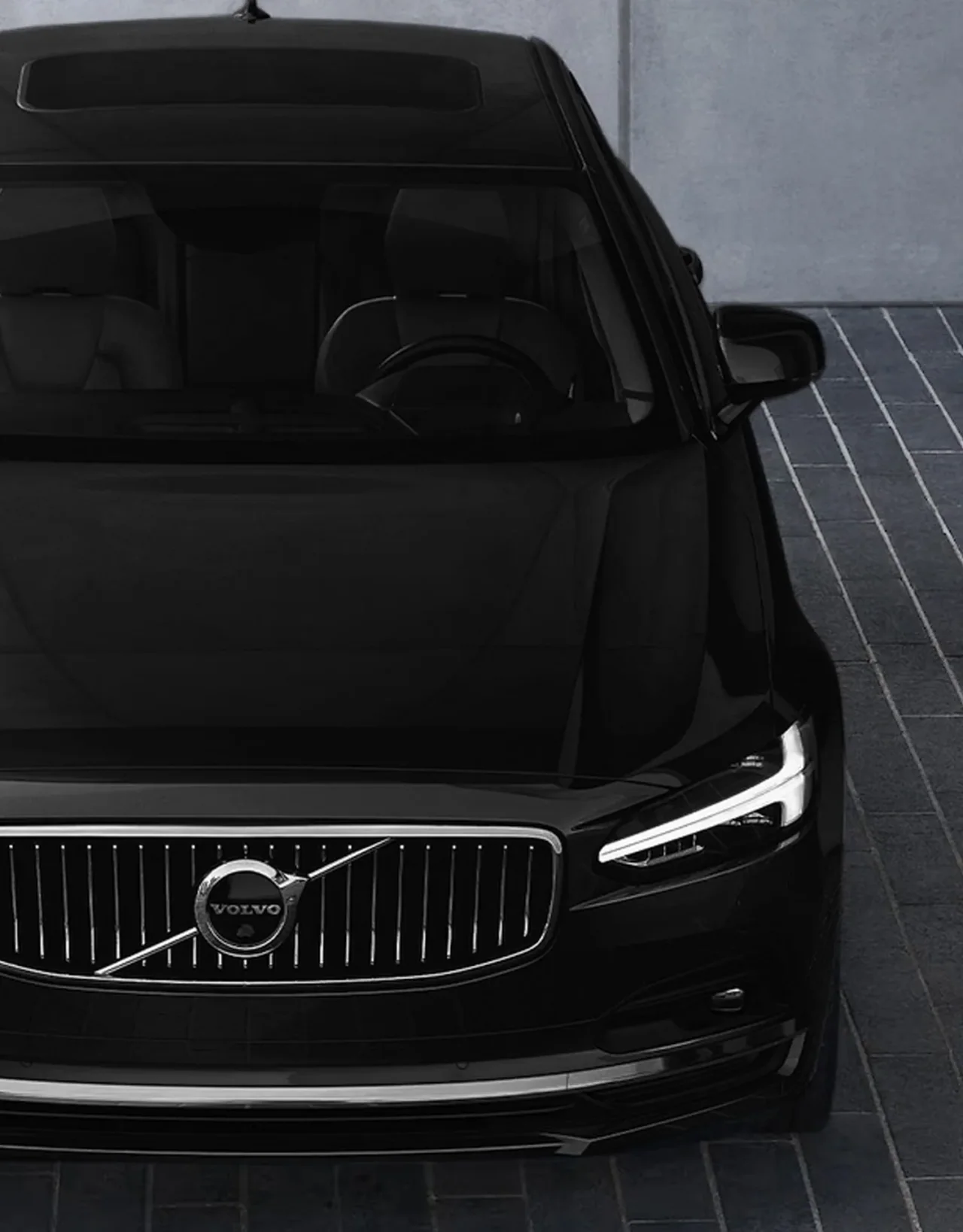
Total the guide and the decision rule writes itself. A single round trip of favors moves roughly $37 in federally valued time, $8 in fuel, and twenty-plus dollars of vehicle wear per direction, most trips need two directions, and the expensive waiting rate activates precisely when flights misbehave. Against that, the West Linn pickup books flat at about $155 in the Volvo S90, $215 in the Escalade ESV, $345 in the Sprinter, with the tracking watch, the 30-minute grace window (45 on international arrivals), and a professional whose evening was never rearranged. The rule: hire the routine, the red-eyes, the delay-prone connections, the trips where the favor would be conscripted rather than offered, and keep the favor economy for its true purpose, the pickups that are secretly love letters. Both ledgers balance, and nobody sets an alarm they resent. Arrivals on the return leg add a meet-and-greet pickup at PDX so the handoff starts inside baggage claim.
The comparison, stated plainly
The hired ride costs more cash and less everything else: no goodwill drawn down, no reciprocal obligation banked against your next weekend, no friend refreshing an arrivals board in a cell lot. Whether that trade wins depends on the trip, which is exactly the audit this guide equips you to run per trip.
What the quote includes
Everything the favor improvises: gate-clock timing from the tracking guide, a written meeting point from the failures guide, the grace window for the slow carousel, and a chauffeur whose job, not whose Thursday, is your arrival. The favor's warmth is irreplaceable; its logistics were never the good part.
For the chronic askers
If you fly monthly, the math is unambiguous: you cannot fund a travel schedule on friendship without the ledger noticing, the survey's 17 percent who quietly dread the ask are in your contacts list. A standing arrangement converts you from the group chat's recurring logistics problem into a person with a car service.
The standing file
West Linn households keep the third option pre-built through West Linn town car service: address notes, preferred grades, the usual flights. Booking takes one text, which is shorter than composing the favor ask, and nobody owes anybody brunch afterward.
Frequently Asked
Questions, Answered.
Is it rude to ask people to pick you up at the airport?
Not rude, but real: the etiquette professionals land on courtesy rather than obligation, meaning the ask is fine and a no must be graceful. The survey data is kinder than askers expect, 82 percent of Americans say they would drive a friend to a nearby airport, and most would even want to be asked. The polish is in the asking: give notice, offer gas and a meal, avoid the brutal hours, and have a backup so the favor never becomes a hostage situation.
How much should I pay a friend for driving me to the airport?
The folk range runs from twenty dollars between close friends toward a hundred or more for acquaintances, often benchmarked against what the app ride would have cost. The honest floor is the friend's actual outlay, about eight dollars of gas on the West Linn round trip at current Portland prices, plus wear the auto clubs price in dimes per mile, plus seventy-plus minutes of their life. Cash, a meal, or a returned favor all settle the ledger; pretending there is no ledger is the only wrong answer.
If someone is giving you a ride to the airport, should you offer to pay for gas?
Yes, every time, and let them wave it off if they choose: the offer is the point, because it names the favor as a favor rather than a service. On a forty-mile round trip the gas is real money, and the federal government would add that the chauffeur's time is worth about twenty dollars an hour on top. Friends who fly often solve it structurally, alternating duties, standing trades, or agreeing that some trips are simply hired.
Is picking someone up from the airport intimate?
The internet calls it the airport test for a reason: showing up at a curb at midnight is time and effort spent with no transaction attached, which is roughly the definition of caring about someone. That is exactly why we tell people to protect it. Use the favor for the relationships where it means something, the partner, the parent, the reunion worth a cardboard sign, and hire the ordinary Tuesday logistics so the meaningful pickups stay meaningful.
Should I expect my boyfriend to pick me up from the airport?
Expect is the word doing the damage: the relationship forums run hot on this question precisely because an assumed favor stops feeling like one. A partner who offers is telling you something lovely; a partner who is drafted is doing logistics under duress at 11 p.m. The durable arrangement is explicit, some couples treat pickups as sacred ritual, others happily outsource them, and either works as long as it was chosen rather than assumed.
About the Author
Ilyas Khairi runs Marquee Chauffeur under Portland Bureau of Transportation certification held since 2018, with $1 million in commercial liability and W-2 chauffeurs on payroll. He has been the third option in a thousand favor negotiations, still believes the midnight pickup by a loved one is the best thing at any airport, and built his business on every trip that didn't deserve to cost anyone a friendship.
Verified Google Reviews
What Portland clients say about Marquee Chauffeur.
I spent six hours touring the Columbia River Gorge with the owner of this service, and I was really impressed with his professionalism, attentiveness, and local knowledge. As he says, they really are like a chauffeur/concierge, not just taking you from one place to another but providing a full experience. I look forward to riding with them again on my next trip.
Edris — has absolutely hands down have to be the best driver ever. I would absolutely recommend his service! He's so professional, so efficient. On time and so respectful!
These guys are terrific. Two thumbs up. Found them online and got excellent personal service. Used them to get from PDX to about two hours away …. And then back to PDX a few days later. On time. Super professional drivers. Vehicles in spectacular shape. Brand new. They will be out go to service. We recommend them highly.
Marquee Chauffeur holds a 5.0 rating across 198 Google reviews. Read every review on Google.
Reserve Your Chauffeur
Reserve a Portland
Chauffeur Now.
Keep the favors for the people who matter: (503) 706-8662, available 24/7. West Linn pickups at about $155 in the Volvo S90, $215 in the Escalade ESV, $345 in the Sprinter, flat-quoted with flight tracking, a 30-minute grace window (45 on international arrivals), and a chauffeur whose evening was never borrowed, under Portland private-for-hire permitting since 2018 with $1 million in commercial liability.