

Comparison
Portland Chauffeur vs. Black Car Service.
The industry draws a technical distinction. Black car refers to the vehicle in livery trim. Chauffeur refers to the trained driver assigned to it. In Portland, the two collapse for any traditional operator because the same company provides both. At Marquee Chauffeur, every booking pairs a Volvo S90, Escalade ESV, or Sprinter with a W-2 chauffeur on payroll for a locked hourly rate, FlightAware PDX tracking, and full commercial liability. The two labels point to the same product.
By Ilyas KhairiFounder, Marquee ChauffeurLicensed and permitted since 2018
- Licensed & Permitted
- $1M Insured
- 5.0 / 198 Reviews
- W-2 Chauffeurs
- 35-Point Inspection
Last updated: September 14, 2026
Bottom line: For traditional Portland livery, 'black car service' and 'chauffeur' describe the same product. The vehicle is the black car. The chauffeur is the chauffeur. Marquee pairs both on every booking. The label only matters when the term refers to an app-based premium dispatch like Uber Black or Lyft Lux, which is a different product on employment, insurance, and pricing.
01 At-A-Glance Comparison
Marquee Chauffeur Against
Generic Black Car, Row By Row.
Twelve criteria are run side by side in the table. The 'generic' column reflects the typical Portland metro provider operating under a black-car label without a chauffeur-grade service layer. That often means a city-style livery operator or an app-based premium dispatch product. The Marquee column reflects the documented standard. The cards below summarize the differences for riders who want the short version.
| Criterion | Marquee Chauffeur | Generic Black Car |
|---|---|---|
| Vehicle class | Volvo S90, Escalade ESV, Sprinter, VIP Lounge Sprinter | Sedan or SUV in black exterior, varies by operator |
| Driver employment | W-2 employee, background-checked annually | Often 1099 contractor on app-based dispatch |
| Dispatch model | Live dispatcher at (503) 706-8662, 24/7 | App lookup or generic phone line, no named chauffeur |
| Advance reservation | Named chauffeur confirmed at booking | Driver assigned 15 minutes before pickup |
| FlightAware integration | Yes, live wheels-down data into dispatch | No, scheduled arrival time only |
| Hourly minimum | 3-hour minimum, $495 on Volvo S90 | Often per-ride only, no hourly product |
| Surge pricing | None, locked at booking | Variable surge multiplier on app-based dispatch |
| Insurance coverage | Full commercial liability on every ride, every vehicle | Contingent commercial coverage, active trips only |
| Corporate billing | Net-30, QuickBooks invoicing, cost-center coding | Per-ride receipt, basic export |
| Vehicle inspection cadence | 35-point inspection before first booking each day | Onboarding inspection, model-year minimum |
| Cancellation policy | Sedan and SUV: free at 24 hours out, full fare inside. Sprinters: refunded beyond 7 days, no cancellation after | Cancel fee after 5 minutes from request |
| Accessibility (car seats, wheelchair) | Yes, requested at booking, no upcharge | Not standard, separate tier or unavailable |
The vehicle is the black car
In the livery industry, 'black car' refers to the vehicle. A sedan or SUV with a dark exterior, leather interior, and livery trim that meets the visual standard for executive transport. The label says nothing about who is behind the wheel, what insurance covers the ride, or how the booking is dispatched. The Volvo S90, Cadillac Escalade ESV, and Mercedes-Benz Sprinter all fit the definition by appearance. The appearance is one slice of the product.
The chauffeur is the chauffeur
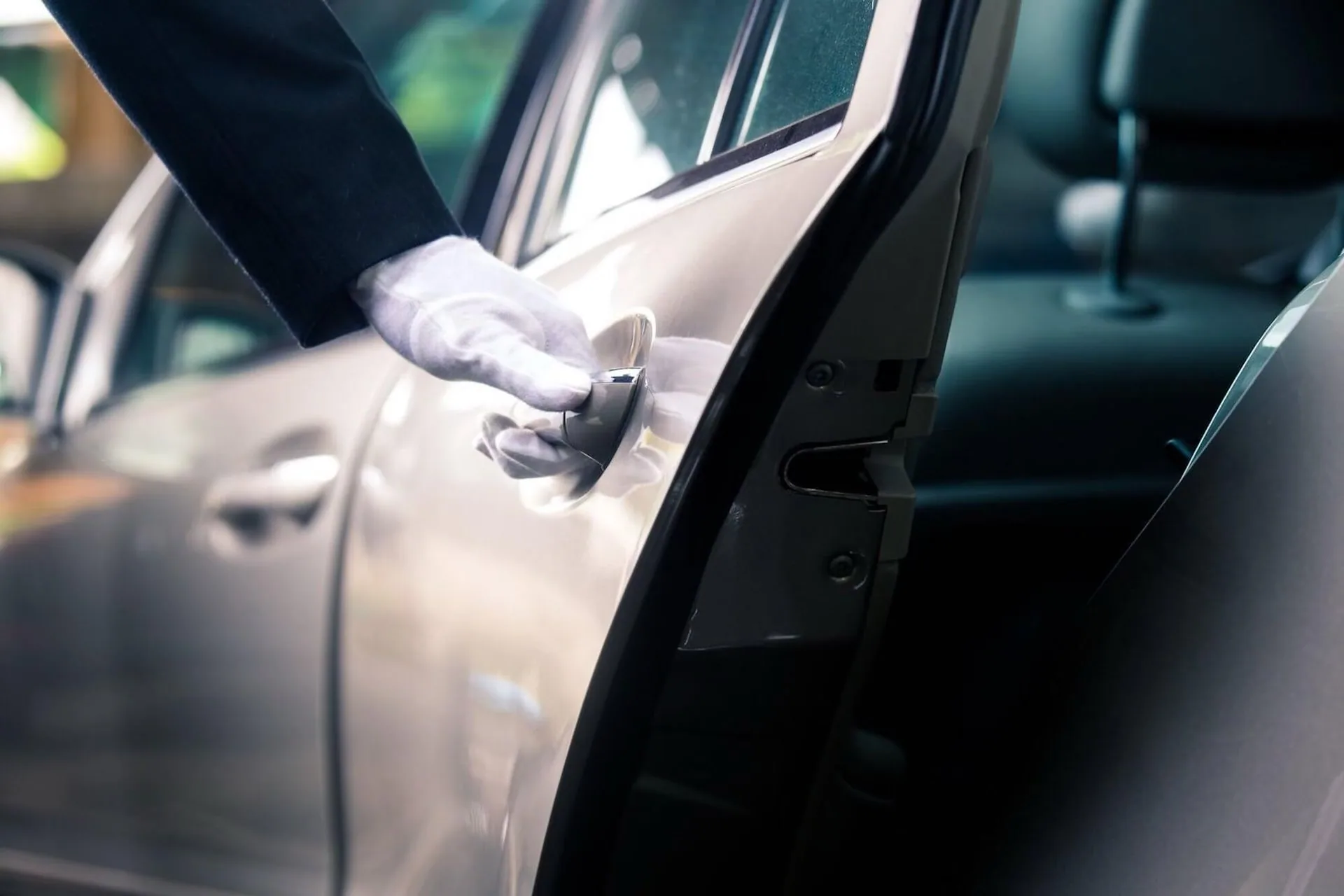
'Chauffeur' refers to the trained driver assigned to the vehicle. A W-2 employee with annual background checks, livery licensing, and accountability to company leadership for conduct, punctuality, and service protocol. This side of the product covers the booking experience that the vehicle alone cannot deliver. Greeting at the door, luggage discipline, climate preset on entry, route knowledge across the Portland metro, and recurring chauffeur assignment for weekly clients.
Why the terms collapse at Marquee
Marquee is one company that provides both sides by default. Every vehicle in the fleet has a W-2 chauffeur assigned at booking. The 'chauffeur' upcharge does not exist because the chauffeur is included in the locked hourly rate. Every vehicle in the fleet holds its own quoted rate with the trained chauffeur already built in. For our customers, the chauffeur-vs-black-car comparison is mainly a vocabulary question rather than a shopping decision.
When the labels diverge
The labels split apart when the term refers to an app-based premium dispatch product like Uber Black or Lyft Lux. The vehicle still meets the visual standard but the driver is a 1099 independent contractor assigned 15 minutes before pickup with no advance confirmation. That product is a different operating model from a traditional livery company on employment, insurance, dispatch, and pricing. The label points to two different products depending on which provider runs the booking.
02 Industry Distinction
Black Car Is The Vehicle.
Chauffeur Is The Chauffeur.
A technical line is drawn in the livery industry between vehicle and chauffeur. The vehicle side covers exterior color, interior trim, model year, and livery licensing on the car itself. The chauffeur side covers training, employment status, background checks, and the assignment to a specific booking. Most Portland riders use the two terms interchangeably. The local black car service market is dominated by traditional operators that provide both sides. Marquee runs the same operating model.
Vehicle side of the product
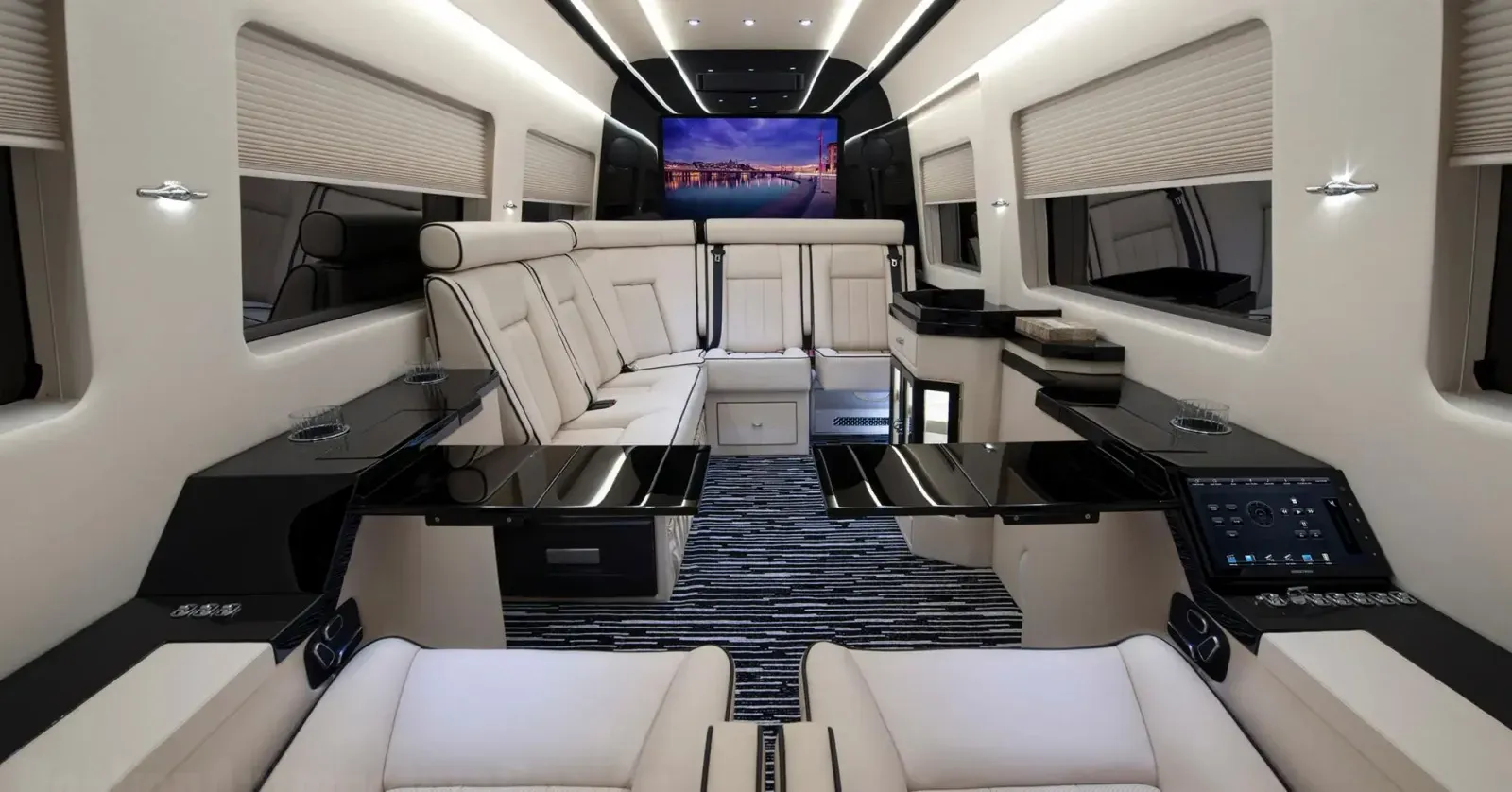
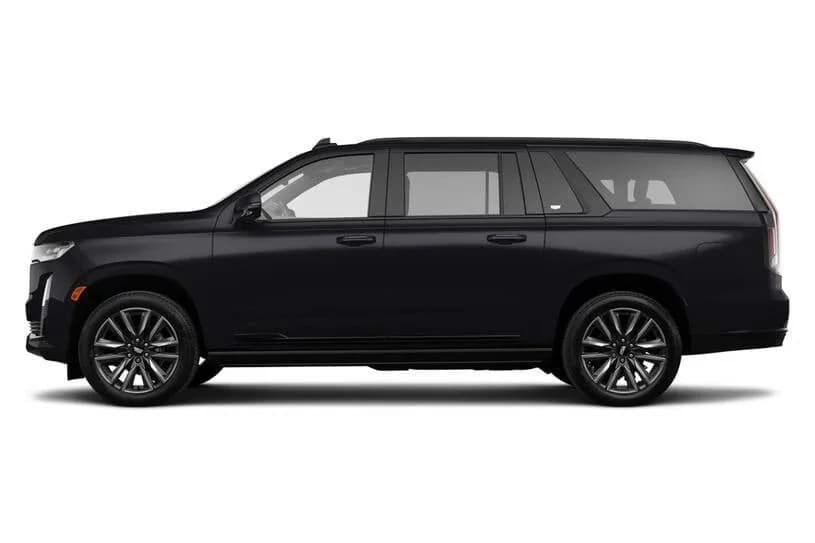
The category sits at the executive-livery end of the vehicle ladder. Marquee operates a Volvo S90 with rear leather and climate zones, a Cadillac Escalade ESV with second-row captain seats, and a Mercedes-Benz Sprinter with a 14-passenger configuration. The VIP Lounge Sprinter adds club-style seating with a TV and bar service for executive offsites and wedding parties. Each vehicle holds Oregon livery plates. Each runs the full pre-trip inspection cycle before the first booking of the day.
Chauffeur side of the product
Every Marquee chauffeur is a W-2 employee on payroll. The role carries annual background checks, livery licensing under Portland Bureau of Transportation certification, and accountability to company leadership. This side covers door-side greeting, luggage discipline, climate preset on entry, route knowledge across Multnomah County, Washington County, and Clackamas County, and recurring chauffeur assignment for weekly clients. The W-2 model changes incentives for hospital discharge protocol and corporate pickup positioning that 1099 dispatch does not enforce.
How the two combine
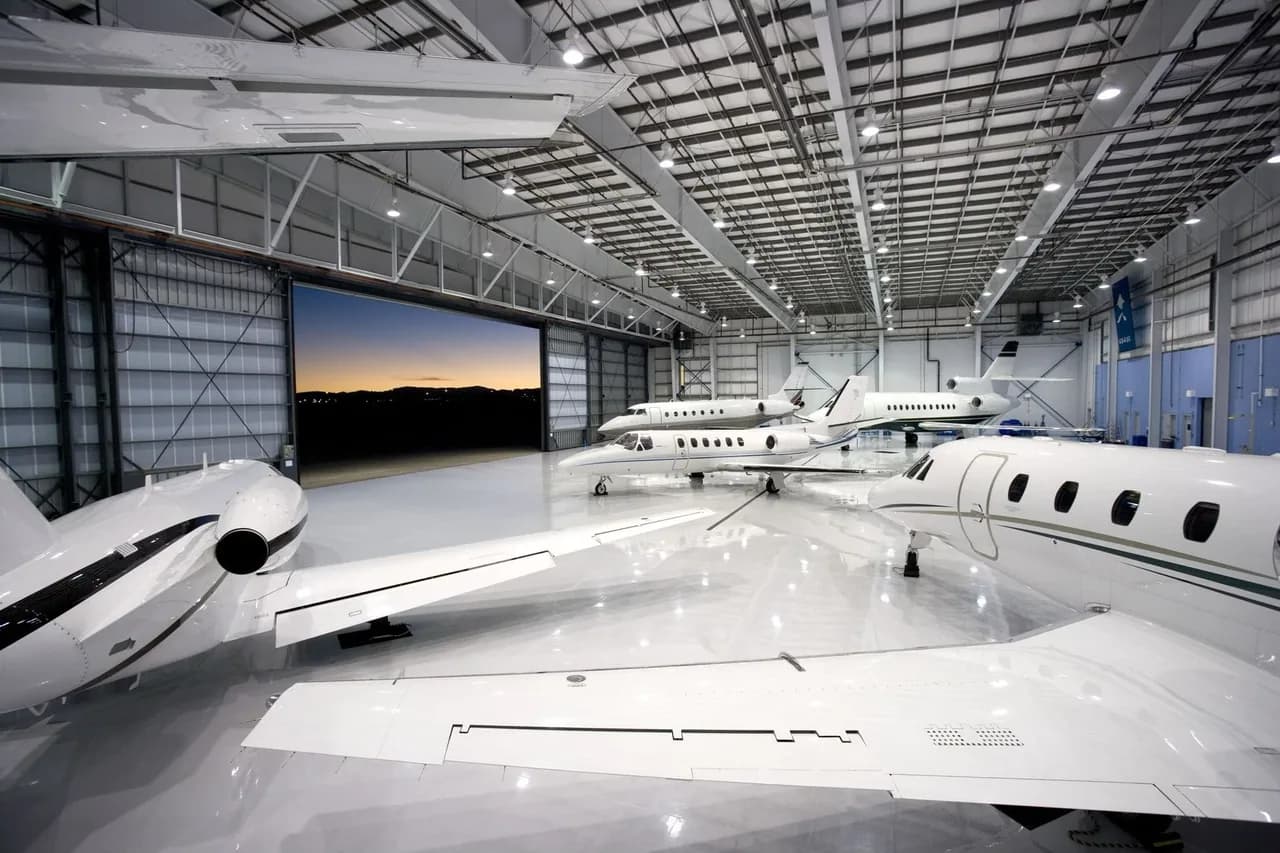
Marquee assigns a specific vehicle and a specific chauffeur to each booking at confirmation. The Volvo S90 paired with the named chauffeur arrives at the pickup with the rider's preferences already loaded. The bottle of still water is in the cabin. The Sirius preset matches the rider's profile from the corporate account. The destination is mapped to the FBO ramp at PDX or Hillsboro Airport rather than the public terminal. The vehicle and the chauffeur work as one product on every booking.
Portland private-for-hire permitting
Marquee has held Portland Bureau of Transportation certification since 2018 with continuous renewal. The city permit covers both the vehicle (commercial registration, livery credentials, annual safety inspection) and the chauffeur (background-check filings, driving record, drug-and-alcohol program). The combined license lets the company call the product a 'chauffeur service' rather than a generic booking. App-based premium dispatch products operate under a separate Transportation Network Company framework. That framework does not require the same vehicle-and-driver licensing pairing.
03 When The Labels Diverge
App-Based Premium Dispatch
Is A Different Product.
The 'black car service' label can mean two different operating models. The first is traditional pre-booked livery with named chauffeurs, hourly rates, and FlightAware tracking. That is the Marquee model. The second is app-based premium dispatch like Uber Black or Lyft Lux, which routes a 1099 contractor to the closest pickup with surge pricing and no advance driver confirmation. The full operating-model breakdown of the rideshare-premium leg is on chauffeur vs Uber Black. The same comparison against the metered alternative is on chauffeur vs taxi.
Employment status
App-based premium dispatch products run on 1099 independent contractors who own the vehicle and choose when to drive. The contractor is not managed against a service standard between rides and is not on payroll for workers' comp coverage. Marquee runs every chauffeur as a W-2 employee with annual background checks and accountability to company leadership. The employment side is the structural difference between the two products that share the same aesthetic.
Pricing model
App-based products run a variable per-minute and per-mile meter. A surge multiplier applies during peak demand, with a separate in-app tipping prompt after the ride. Marquee quotes a locked hourly rate at booking that holds regardless of traffic, time of day, or demand. The Volvo S90 sets the entry rate, and each larger vehicle in the fleet holds its own quoted rate. Every rate carries a three-hour minimum with a 20 percent service fee built into the rate. The locked quote keeps the AP number predictable for corporate travel.
Dispatch and confirmation
App-based dispatch confirms the contractor 15 minutes before the pickup window. Marquee confirms the named chauffeur, the vehicle, and the direct cell number at the moment of booking. It sends the details by email within 10 minutes. Some riders need the chauffeur name in writing ahead of time. That covers weddings with arrival windows tied to ceremony start times, multi-leg corporate days with C-suite attendees, and recurring weekly medical transport with cognitive-care clients. For those, the advance confirmation is a different operational product than the 15-minute app lookup.
Insurance and credentialing
App-based products operate under a $1 million contingent commercial policy that covers the contractor while on an active trip. Marquee carries $1 million in commercial liability that extends to every Portland ride regardless of trip status. The full commercial layer clears the credentialing threshold on vendor review at hospitals, life-sciences campuses, and industrial sites. The contingent cover often does not. For corporate risk desks reviewing the certificate of insurance before onboarding a vendor, the full commercial coverage is a structural advantage that the app-based product does not match.
04 Why The Chauffeur Framing Matters
Named Chauffeur, FlightAware,
Hourly Hold, Corporate AP.
The chauffeur framing carries operational features that a generic booking does not always include. These are the named chauffeur at confirmation, the FlightAware integration on PDX arrivals, the multi-hour and multi-stop hourly hold, the full commercial liability across every ride, the Portland private-for-hire permitting since 2018, and the Net-30 corporate accounts with QuickBooks invoicing. Each feature attaches to the chauffeur side of the product. For a single short ride with no return leg, a generic black car works. For corporate travel, PDX runs, and recurring engagements, the framing matters.
Named chauffeur at confirmation
Marquee confirms the named chauffeur in writing at the moment of booking. The vehicle, the direct cell number, and the pickup address are sent by email within 10 minutes. The rider can reach the chauffeur directly on day-of changes without going through a dispatcher queue. Recurring weekly clients receive the same chauffeur on every booking when the schedule allows. That builds the route and preference history that a one-off ride cannot capture. The named-chauffeur model is a feature that generic bookings do not enforce.
FlightAware on PDX arrivals
FlightAware feeds live wheels-down data into Marquee dispatch on every PDX return. A weather-delayed flight shifts the chauffeur's arrival to the new landing time, with no meter running on the wait. An early landing pulls the Volvo S90 to the numbered pick-up location before baggage claim opens. App-based dispatch runs scheduled arrival rather than live flight data. It meters wait time per minute after a short grace window. For a two-hour weather delay, the FlightAware difference shows up directly in the final invoice and in whether the car was at the curb on time.
Hourly multi-stop hold
Marquee holds the same vehicle and chauffeur across the full engagement on a locked hourly rate. A four-hour Willamette Valley wine tour with stops at Domaine Serene, Argyle, and Stoller stays on the locked hourly rate on the Volvo S90. There is no fresh dispatch at every winery and no meter running during tasting appointments. A multi-leg corporate day with morning meetings at downtown firms and an afternoon site visit in Beaverton holds at the same hourly rate. App-based dispatch requires fresh requests at every stop and stacks surge fees on each leg.
Corporate AP integration
Marquee runs Net-30 corporate accounts with monthly consolidated invoicing, QuickBooks integration, a W-9 on file, and cost-center coding across departments on one statement. Corporate travel managers find a single monthly invoice easier to reconcile than dozens of per-ride receipts from app-based dispatch. The full commercial liability certificate clears vendor-credentialing desks at hospitals and industrial sites. Those sites often reject a contingent commercial policy. For recurring executive travel, the corporate process side is a different category of product than a generic booking.
Frequently Asked
Questions, Answered.
What is the difference between a Portland chauffeur and a black car service?
The industry uses 'black car' to describe the vehicle (a sedan or SUV in livery trim) and 'chauffeur' to describe the trained driver assigned to it. In Portland the two terms collapse most of the time because the same operators run both sides of the product. At Marquee Chauffeur, every booking pairs a Volvo S90, Cadillac Escalade ESV, or Mercedes-Benz Sprinter with a W-2 chauffeur on payroll. The vehicle and the chauffeur arrive together by default. For our customers the comparison is mainly a vocabulary question rather than a product question.
Is black car service the same thing as Uber Black in Portland?
Sometimes, yes. The 'black car service' label gets applied to two different products in Portland. The first is a traditional pre-booked livery operator with named chauffeurs and hourly rates, which is what Marquee Chauffeur runs. The second is an app-based premium dispatch like Uber Black or Lyft Lux. That model assigns the closest available 1099 contractor at pickup time. The two products share an aesthetic but operate on different employment, insurance, and pricing models. The full breakdown of the rideshare-premium leg is on the Portland chauffeur vs Uber Black comparison.
Does a chauffeur cost more than a black car service?
When the same company provides both labels, the price is the same because the chauffeur is included in the booking. Marquee holds a locked hourly rate on the Volvo S90, with each larger vehicle carrying its own rate and a three-hour minimum. The 'chauffeur' upcharge does not exist as a separate line item. The price diverges when 'black car service' refers to an app-based premium dispatch with surge pricing. There, the variable fare can run higher or lower than the locked hourly quote depending on demand at booking time.
Do both services include the same airport tracking at PDX?
Not always. A traditional chauffeur company like Marquee runs FlightAware integration that pulls live wheels-down data into dispatch on every PDX arrival. A weather-delayed flight moves the meet time with the aircraft, and no meter runs while the chauffeur waits on the wheels-down call. App-based products use scheduled arrival rather than live flight data and meter wait time per minute after a short grace window. The framing matters here because the FlightAware workflow is a chauffeur-side feature rather than a vehicle feature.
What insurance does a Portland chauffeur carry vs a black car service?
Marquee carries full commercial liability that covers every Portland ride on the Volvo S90, Escalade ESV, and Sprinter regardless of trip status. App-based premium products operate under a contingent commercial policy that covers the contractor only while on an active trip. The coverage gap shows up at corporate vendor-credentialing review at hospitals, life-sciences campuses, and industrial sites. There, the certificate of insurance has to clear before any pickup. The full commercial layer is a standard that does not always come with a generic black car booking.
Are chauffeurs and black car drivers employees or contractors?
Marquee runs every chauffeur as a W-2 employee on payroll with workers' comp coverage and annual background checks. App-based products run on 1099 independent contractors who choose when to drive and are not managed against a service standard between rides. Traditional livery operators sit in the middle, with some on W-2 and others on 1099 depending on the operator. The W-2 model changes incentives for hospital discharge protocol, corporate pickup positioning, and recurring weekly assignments where the same chauffeur returns for a regular client.
Can I book a black car service hours or days in advance like a chauffeur?
A livery company confirms the named chauffeur, the vehicle, and the direct cell number at the moment of booking and sends the details by email within 10 minutes. Marquee runs this confirmation flow on every reservation. App-based products allow scheduled rides up to 30 days out. They only confirm the contractor 15 minutes before pickup. For weddings, multi-leg corporate days, recurring weekly medical transport, and any booking where the rider needs to know the chauffeur in advance, the pre-booked reservation model is the operationally different product.
Does black car service include hourly rates and multi-stop holds?
Marquee bookings hold the same vehicle and chauffeur across the full engagement on a locked hourly rate. A four-hour Willamette Valley wine tour stays on that locked hourly rate on the Volvo S90. There is no fresh dispatch at every stop and no meter running during tasting appointments. App-based products require a fresh dispatch at every leg, apply surge on each ride, and stack wait-time fees during stops. The hourly multi-stop model is the traditional side of the category. The point-to-point metered model is the rideshare-premium side.
Is a Portland chauffeur licensed differently than a black car service?
Marquee Chauffeur has held Portland Bureau of Transportation certification since 2018 with continuous renewal, and every vehicle in the fleet runs under that licensing. Traditional black car operators in Portland generally hold the same Portland private-for-hire permitting because the state regulates the category at the operator level rather than at the vehicle-class level. App-based premium dispatch products operate under a separate Transportation Network Company framework rather than the private-for-hire livery framework. The license type signals which operating model the provider uses.
How do I book a Portland chauffeur or black car service for a corporate account?
Call the live dispatcher at (503) 706-8662 24/7 or email the corporate desk to set up a Net-30 corporate account. That account carries a W-9 on file, QuickBooks integration, and cost-center coding across departments on one monthly invoice. Marquee runs corporate onboarding for hospitals, law firms, life-sciences companies, and inbound convention blocks at the Portland Convention Center and the downtown hotel cluster. The corporate process side is what differentiates a chauffeur company from a generic black car booking. There, each ride generates a separate receipt rather than a consolidated AP statement.
Verified Google Reviews
What Portland clients say about Marquee Chauffeur.
I spent six hours touring the Columbia River Gorge with the owner of this service, and I was really impressed with his professionalism, attentiveness, and local knowledge. As he says, they really are like a chauffeur/concierge, not just taking you from one place to another but providing a full experience. I look forward to riding with them again on my next trip.
Edris — has absolutely hands down have to be the best driver ever. I would absolutely recommend his service! He's so professional, so efficient. On time and so respectful!
These guys are terrific. Two thumbs up. Found them online and got excellent personal service. Used them to get from PDX to about two hours away …. And then back to PDX a few days later. On time. Super professional drivers. Vehicles in spectacular shape. Brand new. They will be out go to service. We recommend them highly.
Marquee Chauffeur holds a 5.0 rating across 198 Google reviews. Read every review on Google.
Reserve Your Chauffeur
Reserve a Portland
Chauffeur Now.
Book your Portland chauffeur now. Call Marquee Chauffeur at (503) 706-8662, available 24/7. The black car and the chauffeur arrive together on every booking. PDX airport runs with FlightAware tracking, multi-hour corporate bookings with locked hourly rates, weddings and wine tours on the Escalade ESV and Sprinter, and recurring weekly executive transport all covered under Portland private-for-hire permitting with W-2 chauffeurs, 35-point inspections, and full commercial liability.