

One Run, Fully Dissected
West Linn Airport Transfers Anatomy Of A Perfect Run.
A flawless airport transfer looks like nothing: a car appears, a ride happens, a traveler makes a flight. This guide opens the watch. One West Linn run, dissected from the operator's side, the night-before assignment, the prediction gap between wheels-down and gate arrival that dispatch actually stages against, the fifteen-minute-early convention the trade press documents by name, the choreography at the door, and the paperwork after the curb that makes the next run better. Nothing about a perfect transfer is accidental, and here is all of it.
By Ilyas KhairiFounder, Marquee ChauffeurLicensed and permitted since 2018
- Licensed & Permitted
- $1M Insured
- 5.0 / 198 Reviews
- W-2 Chauffeurs
- 35-Point Inspection
Last updated: September 24, 2026
By Ilyas Khairi, Founder of Marquee Chauffeur · Licensed and permitted since 2018 · Updated September 24, 2026
TL;DR
A perfect transfer is four phases of discipline: the night-before assignment with the flight already on the board, a morning of inspection and white-glove cabin prep, a stage set fifteen minutes early with a quiet text a few minutes out, and post-run paperwork modeled on the federal fleet standard. The ride in the middle is the easy part, which is exactly the point.
The transfer-versus-hourly product decision lives on the booking products guide, West Linn's comparison math on the decision matrix, and ongoing work on West Linn town car service.
01 Phase One
T-Minus Twelve Hours:
The Run Exists Before The Morning.
By nine the evening before, the West Linn run is already real: a named chauffeur holds the assignment, the household's file, gate notes, dog's name, preferred door, is attached, and the flight sits on the tracking board. Modern tracking is sharper than most clients know: FlightAware's predictive system distinguishes wheels-down from gate arrival as separate machine-learned estimates, and the gap between those two numbers, taxi time, gate availability, is precisely what a dispatcher stages a return pickup against. On the outbound run the board works in reverse: the pickup minute is computed from the airport's guidance backward, then the margin goes on top.
The confirmation as contract
The confirmation that lands the evening before restates everything decidable: window, vehicle, rate, gratuity handling, and the approach as we understand it. A client who can audit the plan at 9 p.m. never has to wonder at 5 a.m., and dispatch answers corrections while they still cost nothing.
The file, consulted
Repeat households run on memory institutionalized: the lane that floods in November, the sprinklers at 4:40, the preferred curb at the terminal. The chauffeur reads the file before sleeping, which is why the second pickup at any address feels like the twentieth.
Why assignment beats availability
The predawn market's structural flaw is that it asks who is available at 4 a.m.; the operation's answer is decided at 9 p.m., which is a different question entirely. Every anatomy phase downstream depends on this one being boring, and it always is.
The town above the falls
The run itself crosses ground with pedigree: West Linn's settlement dates to the 1840s, Robert Moore's land above Willamette Falls, now 27,601 residents whose predawn departures this choreography serves. Local craft is the oldest tradition on the route.
02 Phase Two
The Morning: Inspection,
Detail, And The Fifteen-Minute Stage.
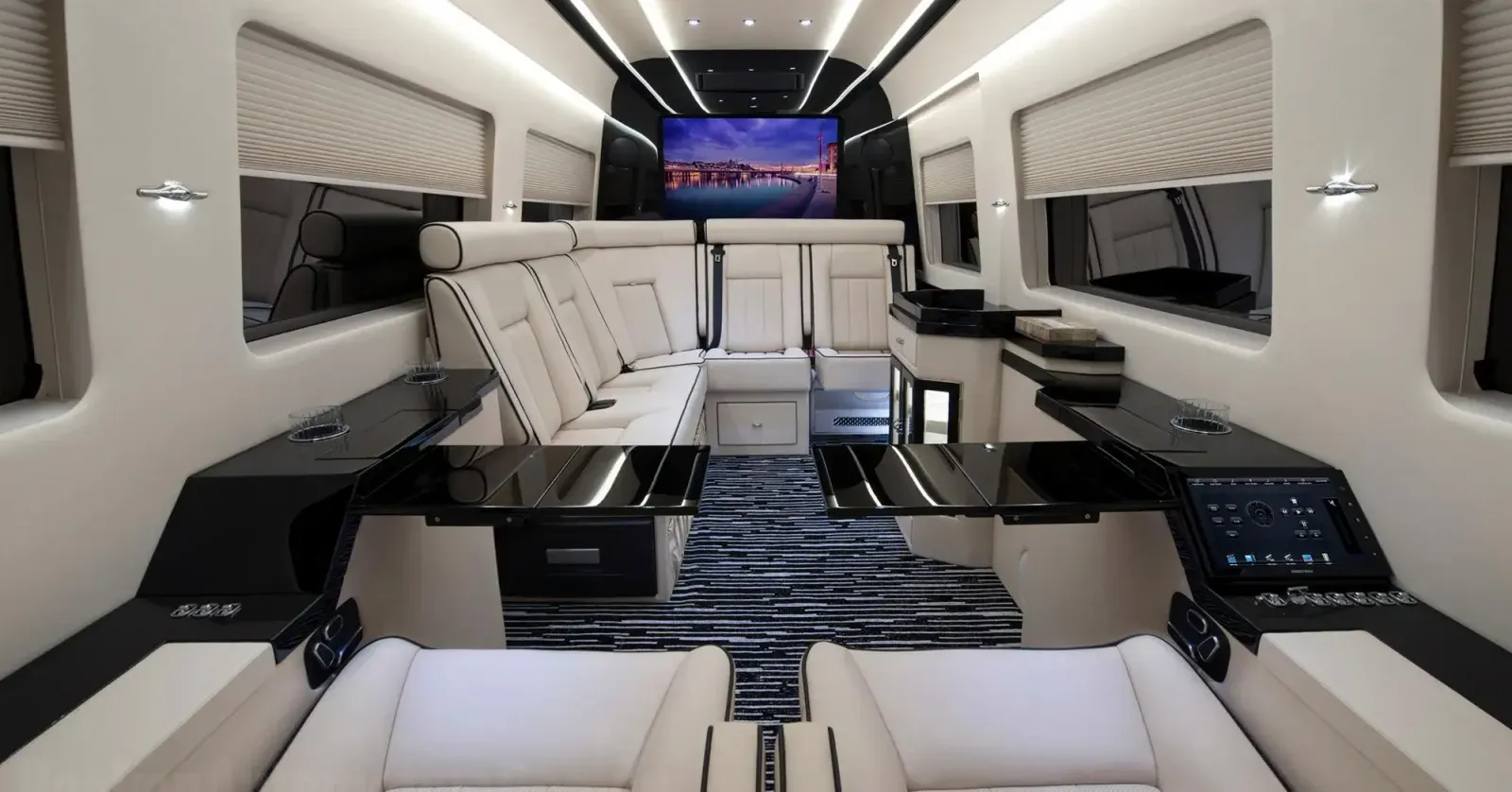
The morning belongs to standards other industries wrote down. The vehicle passes its daily equipment check before rolling, brakes, lights, tires, wipers, the list federal rules codify for fleets. The cabin holds the dictionary's two white-glove senses at once, meticulous and immaculate, maintained to the benchmarks the detailing profession certifies technicians against. Then the stage: operators across the trade press name the same convention, on location fifteen minutes before pickup, waiting quietly, a courtesy text a few minutes out. The quarter-hour is not padding; it is the shock absorber for every small surprise the morning holds.
The quiet arrival
Staging at a West Linn address means engine off, lights managed, no doorbell before the agreed minute, the discipline this program's rural and estate guides document, applied to a cul-de-sac at 4:45. The text replaces the knock; the household's sleep is part of the service area.
The walk-around, decoded
Clients notice the chauffeur crossing in front of the car and read it as flourish; the trade knows it as procedure, staying visible, holding eye contact, never vanishing behind the vehicle with the client's family aboard. Most chauffeur choreography works this way: manners on the surface, protocol underneath.
Luggage as liturgy
Bags travel from hall to trunk in one pass, loaded in unload order, garment bags hung, the carry-on the client wants at hand kept at hand. Ten unhurried seconds per case, and the terminal end of the run inherits a trunk that empties in the order the curb needs.
The standard behind the shine
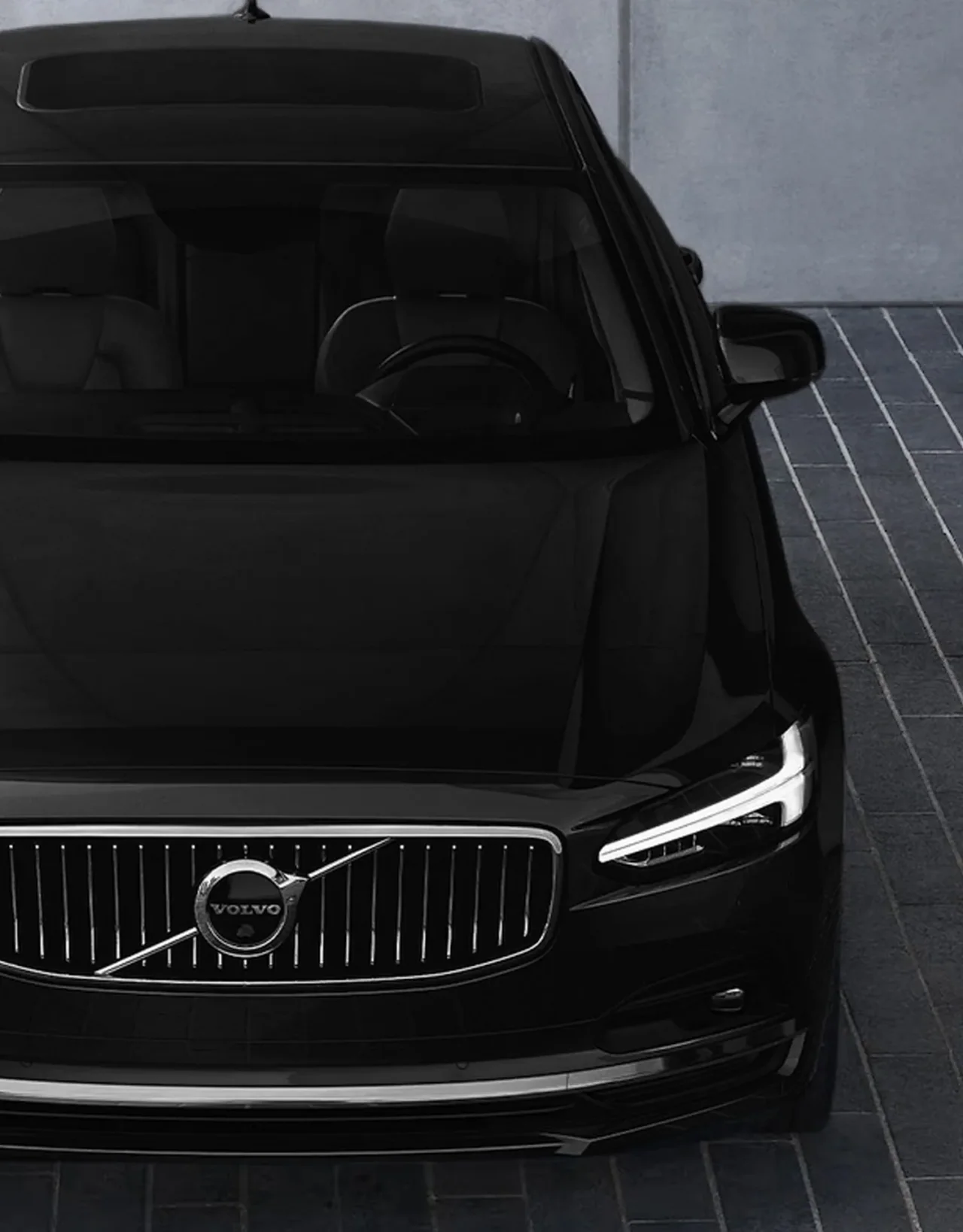
Detailing has a certifying body with ten written exams and a hands-on validation, which is worth knowing for one reason: cabin condition is measurable, not vibes. A client stepping into the S90 at dawn is auditing our morning without knowing it, and the audit should always pass.
03 Phase Three
The Run Itself:
Twenty-Six Quiet Minutes.
The drive is the anatomy's simplest organ because everything upstream made it so. Route discipline means the freeway choice was made with the morning's data, not habit; the cabin runs at the client's temperature and the client's conversational setting, silence honored as readily as talk; and the pacing is deliberately unremarkable, professional driving measured by what passengers stop noticing. At the terminal, the vehicle stops where the walk is shortest, bags move to the curb in their planned order, and the return details are confirmed aloud in one sentence. The client's last image of the run is a closed trunk and a clear path to the doors, which is the whole show, exactly as rehearsed.
Want this standard on your next departure? One call sets the file: (503) 706-8662.
What the client rents
The forums ask what it is actually like to have a chauffeur, and the honest answer is subtraction: no navigation, no parking, no vigilance, twenty-six minutes returned to whatever matters more. The luxury is the absence of the drive, not the presence of the car.
The professional's radar
While the cabin rests, the front seat works: traffic two exits ahead, the terminal's morning rhythm, the fuel and time margins nobody aboard needs to know exist. Great driving is anticipatory by definition, and anticipation is invisible when it succeeds, which is the job.
The conversation setting
The chauffeur's social instrument has exactly two positions, engaged and invisible, switched by the client's first minute of cues and never renegotiated mid-run. Discretion is a fleet standard here, and the quietest runs are often the ones remembered longest.
The curb, choreographed
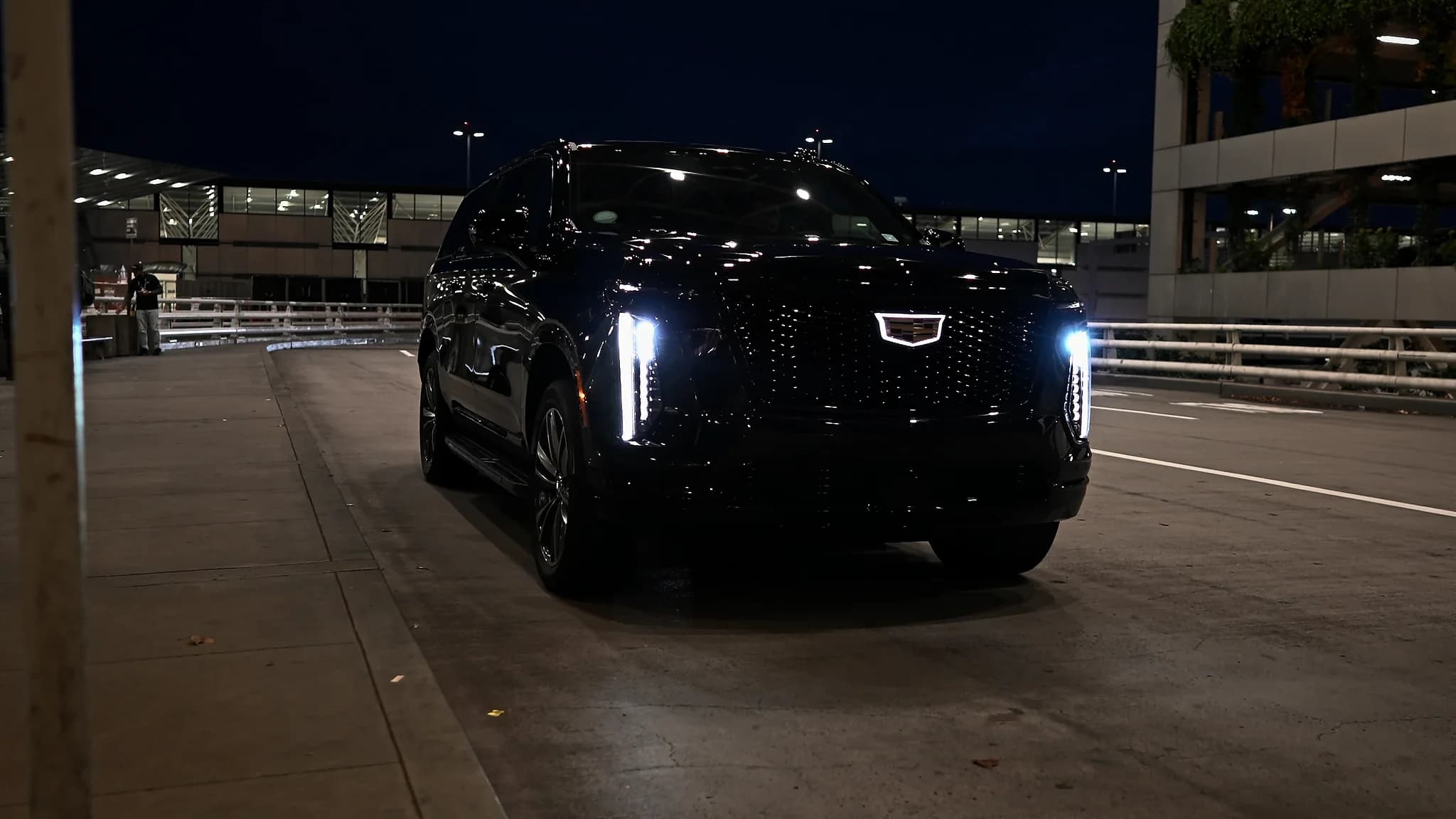
Terminal curbs are active-loading and unforgiving, so the stop is planned before arrival: shortest walk, bags out in order, farewell in seconds without haste. A transfer's final image is its lasting one, and this program's airport guides document every rule the choreography obeys.
04 Phase Four
After The Curb:
The Paperwork That Compounds.
The run ends with writing, on purpose. Federal fleet rules codify the concept in the driver vehicle inspection report, a written end-of-day account of the vehicle's condition, brakes to mirrors, and professional operators mirror that discipline even on vehicles below the thresholds where it binds. Ours adds the service layer: anything learned about the address, the route, or the client's preferences goes into the file the same day, and any imperfection in the run, a minute late to stage, a missed note, gets recorded against the process rather than excused. Compounding is the point: every run improves the file, and the file runs the next morning. When luggage count decides the vehicle, the PDX vehicle selection guide runs the capacity math.
The condition report
The vehicle's day closes with its condition written down, the fleet practice federal rules formalized, so tomorrow's inspection starts from today's knowledge instead of zero. Small findings caught at 9 p.m. become service appointments; the same findings ignored become roadside stories.
The service debrief
Two questions close every run: what did we learn, and what nearly went wrong. The answers are unglamorous, a gate code changed, a lane resurfaced, a client's new preference, and they are the entire mechanism by which an operation gets better instead of merely older.
Why W-2 makes it work
Compounding requires continuity: the chauffeur who writes tonight's note is the one who benefits from it next month, an alignment gig marketplaces structurally cannot offer. The employment model is the anatomy's skeleton, and every phase of this page hangs on it.
The anatomy, priced
Everything dissected here ships at the standard card: S90 at $110 per hour, Escalade ESV at $135, Sprinter at $165, a West Linn transfer near $155 all-in with FlightAware tracking and the 30-minute grace window (45 on international arrivals) on airport arrivals. The craft is the rate's contents, itemized at last.
Frequently Asked
Questions, Answered.
What makes a great chauffeur?
The trade's own answer is temporal before it is anything else: a great chauffeur is never merely on time but early by design, staged and settled before the client's clock starts. Layer on vehicle mastery, route judgment, and the discipline to be present only when wanted, and you have the professional this page dissects one run at a time.
Why do chauffeurs arrive early?
Because the stage is the product: industry practice, confirmed by operators in the trade press, puts the vehicle on location about fifteen minutes before pickup, with a quiet text a few minutes out. The early quarter-hour absorbs every small surprise, a gate, a garbage truck, a last bag, so the client's departure minute stays exactly as promised.
What does a white glove service mean?
The dictionary carries both senses the trade intends: meticulous and painstaking, as in a white-glove inspection, and immaculate, as in a white-glove environment. A transfer earns the phrase when both hold at once, the process inspected to the small items and the cabin spotless enough to prove it.
Why do chauffeurs walk around the front of the car?
It is a safety convention with manners built in: crossing in front keeps the chauffeur visible to the passengers and maintains eye contact rather than disappearing behind the vehicle. Like most chauffeur choreography, it looks like courtesy and functions as procedure, which is the trade in one sentence.
Do you tip for black car service?
When gratuity is not already on the bill, fifteen to twenty percent remains the customary range, and a proper confirmation states which applies, ours does, so the question is settled before the run instead of at the curb. On corporate accounts the handling is typically built into the arrangement.
Is same-day booking possible, or does the run need the night before?
Both are true. Standard bookings land 24 to 48 hours out, which is what lets the run exist by nine the evening before: named chauffeur, household file attached, flight on the tracking board. Same-day requests go through dispatch at (503) 706-8662 and run whenever the fleet has the hours, compressing the phases without skipping them. Peak travel weeks deserve the longer runway, because assignment beats availability.
About the Author
Ilyas Khairi runs Marquee Chauffeur under Portland Bureau of Transportation certification held since 2018, with $1 million in commercial liability and W-2 chauffeurs on payroll. This anatomy is his training document wearing publishing clothes, and he considers the fact that a perfect run looks like nothing the highest compliment the craft can earn.
Verified Google Reviews
What Portland clients say about Marquee Chauffeur.
I spent six hours touring the Columbia River Gorge with the owner of this service, and I was really impressed with his professionalism, attentiveness, and local knowledge. As he says, they really are like a chauffeur/concierge, not just taking you from one place to another but providing a full experience. I look forward to riding with them again on my next trip.
Edris — has absolutely hands down have to be the best driver ever. I would absolutely recommend his service! He's so professional, so efficient. On time and so respectful!
These guys are terrific. Two thumbs up. Found them online and got excellent personal service. Used them to get from PDX to about two hours away …. And then back to PDX a few days later. On time. Super professional drivers. Vehicles in spectacular shape. Brand new. They will be out go to service. We recommend them highly.
Marquee Chauffeur holds a 5.0 rating across 198 Google reviews. Read every review on Google.
Reserve Your Chauffeur
Reserve a Portland
Chauffeur Now.
Book the run this page dissected: (503) 706-8662, available 24/7. Night-before assignment, fifteen-minute staging, the household file consulted and updated, and a West Linn transfer near $155 all-in for the S90, Escalade ESV at $135 per hour, Sprinter at $165, with FlightAware tracking and a 30-minute arrival grace window (45 on international arrivals) on every airport leg, under Portland private-for-hire permitting since 2018 with $1 million in commercial liability.