

Airport & Scheduling
PDX Airport Late Night Car Service. Post-Midnight Pickups.
Between 10 p.m. and 2 a.m., PDX runs on a different set of rules. Rideshare supply thins out on weeknights after 11, the apps that still have coverage start climbing into surge, the Ground Transportation island queue can stretch to 25 minutes, and weather delays pile up across connections in patterns that repeat all winter. Marquee answers all of it with one documented protocol: the chauffeur is at the entrance of the airport ahead of your scheduled wheels-down and meets you at the numbered pick-up location outside baggage claim, the Volvo S90 holds at its locked $110 per hour with no after-midnight bump, and the I-205 return runs at empty-road speeds. This is how the post-midnight pickup actually works.
By Ilyas KhairiFounder, Marquee ChauffeurLicensed and permitted since 2018
- Licensed & Permitted
- $1M Insured
- 5.0 / 198 Reviews
- W-2 Chauffeurs
- 35-Point Inspection
Last updated: September 14, 2026
By Ilyas Khairi, Founder of Marquee Chauffeur · Licensed and permitted since 2018 · Updated September 14, 2026
TL;DR
Marquee charges the same rate after midnight as at noon. A 1:15 a.m. PDX pickup on the Volvo S90 is quoted firm from $150, with the chauffeur at the airport entrance 15 minutes before wheels-down off the live FlightAware feed, no surge, no after-midnight upcharge, no metered wait on a weather delay. The clock starts at your booked time, not the actual landing.
The full airport overview is at PDX airport car service; the pricing comparison against rideshare premium tiers is on chauffeur vs Uber Black.
01 Why Late-Night Is Different
Thin Rideshare Supply,
Surge, And Long Curb Queues.
After 11 p.m., the arrival board feeds a much thinner driver market than midday does. Rideshare counts on UberX, UberXL, and Lyft fall off as the dinner-shift drivers clock out and the airport-only pool concentrates against fewer flights. Surge climbs most reliably from 11:45 p.m. to 1:30 a.m., when the SEA and SFO returns land in clusters. And the Ground Transportation island at the south end of baggage claim, where rideshare and taxi drivers stage, can run a 15-to-25-minute wait on the heavier nights. The full curbside breakdown is on the PDX airport pickup location guide.
Weather makes it worse in a way daytime rarely sees. A Pacific Northwest storm bumps a 7:35 p.m. O'Hare departure to 8:50, the SEA connection on Alaska slides from 11:55 p.m. to 1:10 a.m., and the midnight pickup you booked becomes a 1:30 a.m. wheels-down. Three airports, two airlines, one storm, stacked into a 90-minute compound delay. The traveler who booked a rideshare opens the app at 12:45 a.m. to a 1.8x surge and a 14-minute ETA; the one who booked Marquee opens a phone to a chauffeur already repositioning against the new wheels-down time.
The airport itself runs fine past midnight. The terminal exits stay open, baggage claim clears faster with most flights down, and the numbered pick-up curb has room for chauffeur stops. The daytime pressures, concurrent arrivals, a jammed island, a saturated garage, mostly lift. What is left after midnight is flight-side, not airport-side, which is precisely why FlightAware integration matters more in this band than in any other.
Rideshare driver supply thins
Weeknight Tuesday and Wednesday returns through PDX draw far fewer UberX and Lyft drivers past 11 p.m. than Friday and Saturday late nights, when bar-shift drivers extend their hours. That mid-week post-midnight return is where the supply gap bites hardest. Marquee dispatches against your booking rather than against whoever is online, so the supply swing on the rideshare side never touches your arrival.
Surge multipliers climb
Uber Black and Lyft Lux in the 11:45 p.m. to 1:30 a.m. window typically run 1.4x to 2.1x on weeknights and 1.6x to 2.4x on Friday and Saturday, when city-side bar-and-event demand overlaps with the airport return. The Marquee rate sits flat at $110/hour on the S90 for the same hour. The full pricing contrast is on the chauffeur vs Uber Black guide.
Ground Transportation island queue
The island where rideshare and taxi drivers stage at the south end of baggage claim averages an 8-minute wait at midday and stretches to 15-to-25 minutes on heavier late-night arrivals, when SEA and SFO returns land in 20-minute clusters. The chauffeur model skips the island entirely: the S90 comes to the numbered pick-up location outside baggage claim the moment you text a curb confirmation.
Weather delays compound
Northwest winter weather shows up in the late-night window in repeatable patterns from November through February. ATC ground holds at SEA, fog at SFO, and storm cells along the I-5 corridor from LAX push arrivals later in 30-to-90-minute steps. FlightAware tracks both legs of a connection and Marquee shifts the chauffeur's stage time at each move. The Port of Portland's PDX arrivals board publishes the advisories that hit the same window.
02 The Marquee Late-Night Protocol
Baggage Claim Meet,
FlightAware Hold, I-205 Return.
The same protocol runs on every booking past 10 p.m. FlightAware tracks the inbound from 90 minutes out, the chauffeur is at the entrance of the airport rather than circling the upper roadway, and dispatch repositions the vehicle to the terminal in 8 to 12 minutes from the wheels-down call. The meet happens at the numbered pick-up location outside your carousel. The full booking sequence for any PDX arrival is on the how to book a PDX airport chauffeur guide.
FlightAware runs on the dispatch side, not yours. The live wheels-down feed flows into the Marquee system and moves the chauffeur's stage time as the arrival shifts. A flight pushed from 11:55 p.m. to 1:10 a.m. on weather puts no meter on the wait; the booking simply moves with the arrival. The hourly clock starts at your originally booked window rather than the actual landing, which is the structural break from the metered-wait model rideshare premium tiers run after a short grace period. FlightAware's coverage map is at flightaware.com.
Heading home, the route is I-205 north to I-84 west at post-midnight speeds. The 16-mile PDX-to-downtown run covers in roughly 18 to 22 minutes after midnight, against the 35 to 50 minutes the same trip takes in afternoon rush. Marquee holds the I-205 line as the late-night standard rather than the I-84 shortcut some daytime trips use, because I-205 stays clear of the residual traffic that lingers on I-84 west of 82nd Avenue on Friday and Saturday nights.
Chauffeur at the airport entrance
Through any delay the chauffeur waits at the entrance of the airport, in text contact with you and in direct contact with dispatch. The car reaches the numbered pick-up location once you clear baggage claim and text the curb confirmation, which keeps the roadway stop short and clear of Port of Portland enforcement.
FlightAware hold without meter
A weather-delayed late flight carries no meter on the wait. Dispatch reads the live wheels-down feed and repositions the car in real time. A 90-minute delay on a booked midnight pickup never becomes a 90-minute wait line on the invoice. The hourly rate runs from your originally scheduled start to the actual drop-off, predictable for a corporate AP department and a consumer booking alike.
Limo and town car zone pull
The S90, Escalade ESV, and Sprinter pull to the numbered pick-up location outside baggage claim or the marked limo and town car zone rather than the rideshare staging area. The Port of Portland's own airport map marks the limo and town car pickup position on the baggage claim level, and it runs much shorter wait cycles after midnight since app traffic stages separately. The chauffeur steps out, opens the rear door, and handles the bags before pulling away.
I-205 north return at overnight speeds
The chauffeur takes I-205 north to I-84 west into downtown at low-traffic post-midnight speeds, 18 to 22 minutes over the 16 miles, against 35 to 50 in afternoon rush. For a Lake Oswego, Beaverton, or Hillsboro return, the route shifts to I-205 south to OR-217 or US-26 west on the same empty-road pattern. The drop is at the hotel porte cochère or the residence, on the same protocol as a daytime arrival.
03 Specific Late-Night Flight Bands
Alaska SEA Returns, Delta SLC Red-Eye,
United ORD Late Connections.
Three flight bands carry most of the late-night PDX volume, and the protocol reads each one differently. Alaska's 11:55 p.m. SEA and SFO returns land in tight clusters and feed a heavy share of the late-evening bookings. Delta's 1:15 a.m. Salt Lake City red-eye runs daily on consistent on-time performance and sets the after-midnight baseline. United's 12:40 a.m. O'Hare return carries the most weather risk of any late arrival, with Midwest storms pushing it past 1:30 a.m. on a real share of the winter schedule. The 2026 pricing guide covers the locked rate that holds across all three.
The Alaska SEA cluster drops a Q400, an E175, and a 737-800 inside about 25 minutes most weeknights, peaking baggage claim near 12:15 a.m. and pushing the island queue toward 20 minutes on busier nights. Chauffeurs on that cluster take position at the airport entrance from 11:25 p.m. and rotate to the numbered pick-up location against each guest's text rather than the cluster timing, sidestepping the upper-roadway crush rideshare creates between 12:10 and 12:35 a.m.
Delta's SLC red-eye sits later and lands into a quiet terminal, by 1:15 a.m. most prior flights have cleared, and the pickup usually finishes faster than the Alaska cluster despite the later hour. United's ORD return is the high-variance flight where tracking earns its keep: the chauffeur's stage time moves in 15-minute steps as en-route weather updates, and the booked pickup often turns out 60 to 90 minutes ahead of the real arrival on storm days.
Alaska 11:55 p.m. SEA and SFO returns
Alaska's late-evening cluster from SEA and SFO carries most of the post-11 p.m. PDX volume on weeknights. The Q400, E175, and 737-800 land in a tight window and peak baggage claim near 12:15 a.m. Marquee tracks each inbound in that cluster on FlightAware and brings chauffeurs to the numbered pick-up location individually against each guest's curb confirmation, keeping the chauffeur pickup decoupled from the rideshare island queue.
Delta 1:15 a.m. SLC red-eye return
Delta's Salt Lake City red-eye lands daily at 1:15 a.m. on steady on-time performance, into a terminal that has mostly cleared. The pickup usually completes inside 12 to 15 minutes from wheels-down to the I-205 onramp, faster than the Alaska cluster despite the hour. The S90 at $110/hour holds the same minimum and runs the same downtown drop.
United 12:40 a.m. ORD return
United's O'Hare return is the highest-variance flight in the band. Midwest winter weather pushes it past 1:30 a.m. on a measurable share of the November-through-February schedule. FlightAware tracks the en-route delays and dispatch moves the stage time in 15-minute steps as data updates. The hourly rate holds against the booked window, so a compounded delay never becomes compounded billing.
Irregular operations beyond 2 a.m.
Past 2 a.m. comes the aircraft swap, the SEA diversion, and the connection that turned into a red-eye after the itinerary fell apart. The 24/7 dispatcher at (503) 706-8662 confirms a chauffeur for any booking with a documented FlightAware wheels-down. Bookings past 3 a.m. roll into the predawn rotation, where the workflow shifts to the same-day departure-side protocol the predawn chauffeur guide covers.
04 The Locked Rate Through Midnight
No After-Midnight Multiplier.
No Surge. Same Hourly.
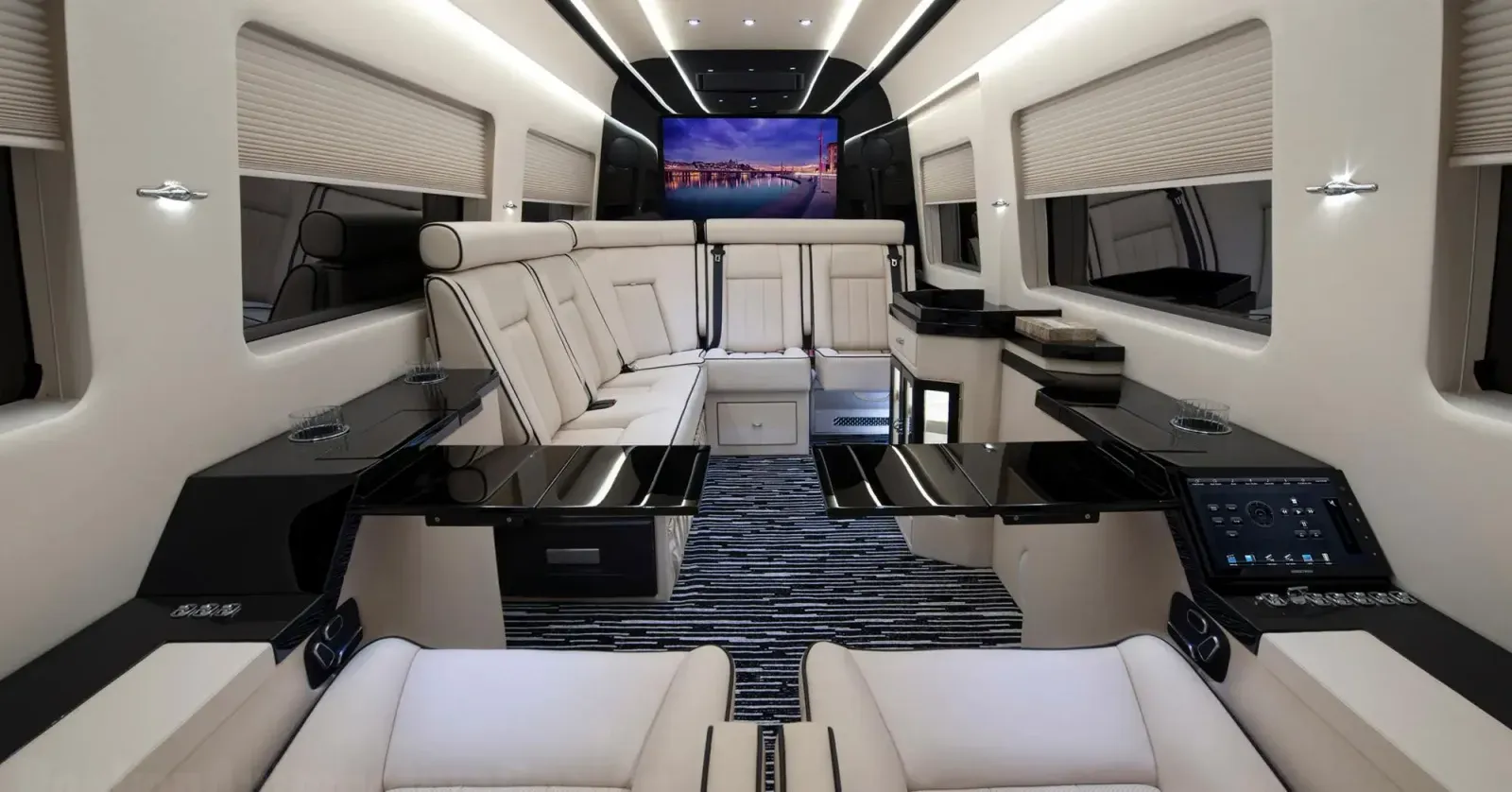
The gap between the chauffeur model and rideshare premium dispatch is widest after midnight. Marquee holds the Volvo S90 at $110 per hour, the Cadillac Escalade ESV at $135, and the Mercedes-Benz Sprinter at $165 across every hour, on the same three-hour hourly minimum and the same built-in 20 percent service fee. No after-midnight multiplier, no holiday upcharge, no surge band on a busy Saturday return. The full rate card is on the 2026 pricing guide.
That locked number matters most to two riders: the corporate traveler whose AP team needs a predictable line on the monthly invoice, and the consumer who wants the price settled at booking rather than at pickup. A 1:15 a.m. Delta SLC return on the S90 is quoted firm from $150, and carries that same fare whether the flight lands on time, 45 minutes late on weather, or 90 minutes late on a connection that compounded across two airports. The clock starts at the booked window, not the landing.
The chauffeur side carries more than a locked rate. Every Marquee chauffeur is a fully employed member of the payroll team, the $1 million commercial liability holds on every Portland ride regardless of trip status, the Portland private-for-hire permitting has renewed continuously since 2018, every vehicle gets a 35-point pre-trip inspection before the day's first booking, and FlightAware runs on every PDX arrival. The late-night band leans on each of these more than a daytime ride does, but the pricing and the protocol hold across the full clock.
Volvo S90 at $110/hr across the clock
The S90 holds at $110 per hour from a 6 a.m. departure run to a 2 a.m. arrival pickup, on the same firm quotes and built-in 20 percent service fee. That locked baseline is what rideshare premium tiers do not match. For a 1:30 a.m. arrival to a downtown hotel, the booking is quoted firm from $150, with the chauffeur in position at the airport entrance 15 minutes ahead of wheels-down off the FlightAware feed.
Escalade ESV and Sprinter at the same rule
The Escalade ESV at $135/hour and the Sprinter at $165/hour follow the same locked rule across the clock. A late-night Sprinter pickup for a wedding party returning from a destination event lands at the same from-$326 fare it would carry at midday. The larger vehicles run a slightly longer pre-trip window after midnight to cover the deeper ferry from the Marquee yard to the airport, which the dispatcher confirms at booking.
No surge, no multiplier, no upcharge
The confirmation shows the final number at booking. A 1:15 a.m. arrival on a United O'Hare return that pushed past 2 a.m. carries the same hourly rate as a 6 p.m. arrival the same day. No surge on a Saturday post-midnight return, no upcharge on a Christmas-week late arrival, no after-midnight rate sheet. The number on the email is the number on the invoice.
Corporate AP and consumer billing alike
The locked structure carries to corporate Net-30 monthly invoicing with QuickBooks on the account side, and to standard card billing on the consumer side. Both run on the same hourly number rather than a metered or surged amount, clean reconciliation across multiple late-night arrivals in a billing month, and a predictable total for personal-budget planning.
| Vehicle | Hourly rate | Late-night PDX pickup (firm quote) | After-midnight surge |
|---|---|---|---|
| Volvo S90 | $110 / hour | from $150 | None |
| Cadillac Escalade ESV | $135 / hour | from $190 | None |
| Passenger Sprinter | $165 / hour | from $326 | None |
20 percent service fee already in the rate. Marquee operates under Portland Bureau of Transportation certification with $1 million commercial liability.
“Used them to get from PDX to about two hours away and back a few days later. On time. Super professional drivers. Vehicles in spectacular shape. Our go-to service.”
Frequently Asked
Questions, Answered.
How much does PDX late-night car service cost compared to Uber Black after midnight?
Marquee Chauffeur holds the locked daytime rate on the Volvo S90 at $110 per hour, the Cadillac Escalade ESV at $135 per hour, and the Mercedes-Benz Sprinter at $165 per hour with no after-midnight multiplier and no surge pricing. A 1 a.m. PDX pickup to a downtown hotel is quoted firm from $150 on the S90 with the service fee already in the fare. Uber Black at the same hour usually applies a surge multiplier of 1.4x to 2.1x depending on driver supply, which often pushes a comparable PDX-to-downtown ride into the same range or higher with metered wait time stacked on weather delays. The Marquee number is locked at the moment of booking.
How does FlightAware adjust the pickup time on a delayed late-night flight?
Marquee dispatch pulls live wheels-down data from FlightAware on every PDX arrival booking, tracking the inbound from 90 minutes out. When a 12:40 a.m. United flight from O'Hare slips to a 1:25 a.m. landing because of weather along the route, the chauffeur's arrival window shifts with it without any guest action. The chauffeur is at the entrance of the airport through the delay and repositions to the terminal in 8 to 12 minutes on the wheels-down call, with no meter running on the wait. The guest exits baggage claim to a vehicle already positioned. The FlightAware integration covers the late-night band the same way it covers daytime arrivals, and the workflow is documented on the FAA-aware tracking layer at https://flightaware.com.
What if my flight lands at 1 a.m. and the chauffeur was scheduled for midnight?
The booking holds against the live arrival rather than the scheduled time. A booking confirmed for a midnight wheels-down that lands at 1 a.m. because of a weather delay does not generate a wait-time meter or a rebooking charge. The chauffeur stays assigned to the booking for the full delay window and repositions to the terminal on the wheels-down call. Marquee runs this protocol across the late-evening and overnight band because PDX winter weather, ATC ground holds at SEA and SFO that ripple into Alaska's late returns, and aircraft swaps on red-eye routes all push arrivals later in measurable patterns. The guest pays the locked hourly rate from the originally booked start time to the actual drop-off.
Can I book a same-night late pickup if my flight just got rerouted?
Same-night late pickups are accepted through the live dispatcher at (503) 706-8662 around the clock, including past midnight. The cutoff for guaranteed same-night dispatch sits roughly 90 minutes before the requested wheels-down on the Volvo S90 and roughly 2 hours on the Cadillac Escalade ESV and Sprinter, which carries the longer pre-trip routing for the larger vehicles. Beyond the cutoff, the dispatcher works with available chauffeurs in the late-night rotation and confirms the booking once a chauffeur is staged. The 24/7 desk is the right channel for a flight that diverted from SEA to PDX at 11 p.m. or for a connection that turned into a red-eye after the original itinerary fell apart.
Do you wait if I get held at customs after a late international arrival?
PDX runs limited international service, and the customs hold pattern shows up most often on the Alaska Airlines code-share returns through SEA and on the Condor seasonal schedule out of Frankfurt. Marquee chauffeurs hold through customs processing without a meter on the wait. The rule applies the same way as it does for a domestic baggage delay. The hourly clock starts at the originally scheduled pickup window rather than the moment the chauffeur pulls to the numbered pick-up location, so a 45-minute customs hold does not turn into a separate wait-time line on the invoice. The guest exits to a staged vehicle once dispatch confirms the customs release through the FlightAware feed and the guest's text confirmation.
Do you charge extra for after-midnight pickups?
No. The Volvo S90 holds at $110 per hour, the Cadillac Escalade ESV holds at $135 per hour, and the Mercedes-Benz Sprinter holds at $165 per hour across every hour of the day, with the same three-hour minimum on hourly work, the same built-in 20 percent service fee, and no late-night, holiday, or weekend multiplier. PDX transfers are quoted firm, downtown from $150, at any hour. The locked rate is the structural difference between the chauffeur model and the rideshare premium dispatch model where the post-midnight band almost always carries surge pricing. For a deeper breakdown of how the locked rate compares against rideshare premium tiers, the comparison sits at the Portland chauffeur vs Uber Black guide.
What's the latest you'll dispatch a chauffeur from PDX?
Marquee dispatches across the full overnight band including the 1:15 a.m. Delta SLC red-eye return, the 1:25 a.m. weather-delayed United from O'Hare, and the irregular operations beyond 2 a.m. when an Alaska aircraft swap pushes a SEA return past 2:30 a.m. The dispatcher confirms a chauffeur for any booking with a documented wheels-down time on the FlightAware feed. Bookings with arrival times past 3 a.m. roll into the predawn early-morning rotation, where the protocol shifts slightly because the chauffeur often returns on the same day for a 5 a.m. PDX departure run. The full early-morning workflow runs on the predawn chauffeur guide.
Can the chauffeur drop me at a downtown Portland hotel after 2 a.m.?
Yes. The Volvo S90 runs the I-205 north to I-84 west to downtown route at low-traffic speeds across the 16-mile distance in roughly 18 to 22 minutes after midnight, where the same route in afternoon rush hour can run 35 to 50 minutes. The chauffeur drops at the porte cochère of the booked hotel (The Nines, the Ritz-Carlton Portland, the Sentinel, the Heathman, or any of the downtown cluster) and coordinates with the night bell desk on the bag hand-off when the guest has confirmed the arrival window with the hotel in advance. The locked hourly rate covers the full downtown drop, and the chauffeur stays at the porte cochère until the bags are inside the lobby.
What's the difference between late-night and predawn early-morning chauffeur pricing?
The hourly rate is the same. The Volvo S90 at $110 per hour, the Escalade ESV at $135 per hour, and the Sprinter at $165 per hour all hold across the full clock. The operational difference between the late-night band (10 p.m. to 2 a.m.) and the predawn band (3 a.m. to 6 a.m.) shows up in the workflow rather than the price. Late-night runs are usually arrivals from a return flight where the guest is going home or to a hotel. Predawn runs are usually departures where the guest is heading to PDX for a 5:30 a.m. or 6 a.m. wheels-up. The chauffeur protocol shifts to match each side of the clock, and the predawn-specific guide covers the departure-side workflow in detail.
How do you handle a weather delay that compounds across the connection?
A weather delay on a connecting flight compounds when ground holds at the originating airport push the connection departure, which then runs into the destination's arrival window. A typical pattern: a winter storm at O'Hare pushes the 7:35 p.m. Chicago departure to 8:50 p.m., the SEA-PDX connection on Alaska shifts from 11:55 p.m. to 1:10 a.m., and the originally booked midnight pickup turns into a 1:30 a.m. arrival. Marquee dispatch tracks both legs through FlightAware and adjusts the chauffeur stage time at each shift without guest action. The hourly clock holds against the originally booked window rather than the actual arrival, so the compounded delay does not generate compounded billing.
About the Author
Ilyas Khairi is the founder of Marquee Chauffeur, a Portland luxury black car and chauffeur service operating under Portland Bureau of Transportation certification since 2018 with $1 million in commercial liability coverage. He and his team of fully employed, background-checked chauffeurs work the PDX overnight band year-round, on the post-midnight protocol described in this guide.
Verified Google Reviews
What Portland clients say about Marquee Chauffeur.
I spent six hours touring the Columbia River Gorge with the owner of this service, and I was really impressed with his professionalism, attentiveness, and local knowledge. As he says, they really are like a chauffeur/concierge, not just taking you from one place to another but providing a full experience. I look forward to riding with them again on my next trip.
Edris — has absolutely hands down have to be the best driver ever. I would absolutely recommend his service! He's so professional, so efficient. On time and so respectful!
These guys are terrific. Two thumbs up. Found them online and got excellent personal service. Used them to get from PDX to about two hours away …. And then back to PDX a few days later. On time. Super professional drivers. Vehicles in spectacular shape. Brand new. They will be out go to service. We recommend them highly.
Marquee Chauffeur holds a 5.0 rating across 198 Google reviews. Read every review on Google.
Reserve Your Chauffeur
Reserve a Portland
Chauffeur Now.
Book your PDX late-night pickup with Marquee Chauffeur. Call (503) 706-8662, available 24/7 including the post-midnight band. Locked $110 per hour Volvo S90, $135 per hour Cadillac Escalade ESV, and $165 per hour Mercedes-Benz Sprinter with no after-midnight multiplier, FlightAware tracking on every arrival, a chauffeur at the airport entrance ahead of your scheduled wheels-down, and the I-205 north return at low-traffic overnight speeds under Portland private-for-hire permitting with fully employed chauffeurs on payroll and $1 million commercial liability coverage.