

Venue Logistics
Moda Center Post-Event Traffic Escape. Concert Encore And Trail Blazers Buzzer Routing.
The 30-to-45-minute window after the final buzzer or the encore is the structural problem of a Moda Center evening. SE 1st Avenue and SE 11th Avenue lock to a crawl, the Burnside Bridge and Morrison Bridge eastbound queues stack up, the MAX Yellow Line at the Rose Quarter Transit Center runs at full standing density, and the I-5 southbound on-ramp from N Williams Avenue feeds a constrained merge that the rideshare crowd flow defaults into. The Marquee chauffeur stages on N Wheeler Avenue between Memorial Coliseum and Moda Center on the chartered service curb during the event, then exits via the Broadway Bridge to NW Lovejoy and I-405 northbound for a Pearl District drop or via the Fremont Bridge to NE Williams Avenue toward NE Killingsworth for an Alameda residential. The same corridor logic clears both a sold-out concert audience and a Trail Blazers buzzer crowd on a single routing pattern.
By Ilyas KhairiFounder, Marquee ChauffeurLicensed and permitted since 2018
- Licensed & Permitted
- $1M Insured
- 5.0 / 198 Reviews
- W-2 Chauffeurs
- 35-Point Inspection
Last updated: September 14, 2026
By Ilyas Khairi, Founder of Marquee Chauffeur · Licensed and permitted since 2018 · Updated September 14, 2026
TL;DR
Post-event gridlock at Moda Center holds 30 to 45 minutes on the SE 1st and SE 11th corridors. A Marquee chauffeur stages on the N Wheeler chartered service curb during the event, then exits north, Broadway Bridge to I-405 for the Pearl District, or Fremont Bridge to NE Williams for the east and west sides, clearing the perimeter in 8 to 12 minutes against a 25-to-50-minute rideshare wait. One booking covers dinner, the drop, the hold, and the return at a locked hourly rate.
Full venue context sits on the Moda Center transportation guide, with the concert-side pattern at concert transportation and the game-day pattern at the Portland sports chauffeur page.
01 The Traffic Geometry
SE 1st And SE 11th Lock,
Burnside And Morrison Stack.
The post-event traffic problem at Moda Center is not a single bottleneck. It is a four-corridor lock that compounds across the 30-to-45-minute window after the final buzzer or the encore. SE 1st Avenue and SE 11th Avenue feed the inner industrial grid that the Portland Bureau of Transportation (PBOT) event plan funnels general-admission rideshare and self-park traffic through. The Burnside Bridge eastbound queue and the Morrison Bridge eastbound queue stack against the same downtown-to-east-side return pattern. The MAX Yellow Line at the Rose Quarter Transit Center runs at full standing-room density on a sold-out night because the platform throughput cannot keep pace with the venue clear-out. The I-5 southbound on-ramp from N Williams Avenue feeds a constrained merge that the rideshare staging zone in the parking garage flows directly into. Each corridor compounds against the others, which is why the standard rideshare and self-park exit takes 35 to 60 minutes against a clear-route 8 to 12.
The corridor lock holds across both audience profiles. A Trail Blazers home game lets out around 9:45 to 10:15 p.m. depending on overtime and broadcast schedule, and the SE 1st corridor reaches peak density inside 12 minutes of the final buzzer. A major touring concert lets out between 10:30 and 11:30 p.m. depending on the encore length, and the same corridor reaches peak density inside 15 minutes of the lights coming up because the merchandise line and the encore-window foot traffic stagger the egress slightly. Sold-out Friday and Saturday nights stretch the 30-to-45-minute base window to 45 to 65 minutes on the heaviest corridors, with playoff Trail Blazers games and stadium-tour concert dates pushing the lock to a 60-to-75-minute hold on the worst evenings.
The chauffeur model decouples from the corridor lock by staging on N Wheeler Avenue between Memorial Coliseum and Moda Center on the chartered service curb during the full event window. The N Wheeler position holds clear of the rideshare staging zone in the parking garage, the general-admission egress flow on N MLK Jr Boulevard, and the self-park exit through the SE corridor. From the N Wheeler curb, the routing options split north toward the Broadway Bridge and the Fremont Bridge rather than south through the locked corridors. The venue documents the chartered service curb and the transit options on its official Rose Quarter directions & transportation page; the full curb-by-curb dispatch breakdown sits on the Moda Center transportation guide, which covers the pre-event drop curb separately from the post-event pickup curb.
SE 1st Avenue and SE 11th Avenue lock
SE 1st Avenue and SE 11th Avenue feed the inner industrial grid that the post-event PBOT plan funnels rideshare and self-park traffic through after a Trail Blazers home game or a major Moda Center concert. The corridor reaches peak density inside 12 to 15 minutes of the final buzzer or the lights coming up and holds at a 5-to-8-mile-per-hour crawl across the next 30 to 45 minutes. The chauffeur avoids the corridor entirely by staging on N Wheeler Avenue and routing north rather than south, which is the operational detail that turns a 35-minute exit into an 8-to-12-minute clear run.
Burnside and Morrison Bridge eastbound queue
The Burnside Bridge and Morrison Bridge eastbound queues stack against the same downtown-to-east-side return flow that the SE 1st and SE 11th feeders empty into. A typical post-event Burnside crossing runs 18 to 28 minutes during the lock window against a clear-route 4 to 6. The Morrison runs slightly clearer because the bridge approach absorbs less of the Lloyd District spillover, but the I-5 north on-ramp on the east side of the Morrison still backs up against the same corridor flow. The chauffeur routing skips both bridges by exiting north over the Broadway or the Fremont.
MAX Yellow Line full standing density
The MAX Yellow Line platform at the Rose Quarter Transit Center runs at full standing-room density across the 30-to-45-minute post-event window because the train throughput cannot keep pace with the venue clear-out on a sold-out night. The platform queue stretches back to N Vancouver Avenue, and the boarding density on the trains themselves does not allow comfortable standing for groups with strollers, kids, or tired show-goers. The chauffeur cabin holds at climate-controlled comfort on the N Wheeler curb during the same window, with the rear door open the moment the group walks out.
I-5 southbound constrained merge from N Williams
The I-5 southbound on-ramp from N Williams Avenue feeds a constrained merge that the rideshare staging zone in the Moda Center parking garage flows directly into. The merge density holds at a 1-to-2-minute-per-vehicle clearance rate across the post-event window, with the merge backup stretching back into the surface streets on a typical sold-out Friday. The chauffeur routing avoids I-5 southbound from N Williams entirely by running I-405 northbound from the Broadway Bridge or US-26 westbound from the Fremont Bridge, which both clear the merge bottleneck cleanly.
02 The Staging Position
N Wheeler Avenue Curb,
Chartered Service Lane.
The Marquee chauffeur stages on N Wheeler Avenue between Memorial Coliseum and Moda Center on the chartered service curb during the full event window. The N Wheeler position holds three structural advantages over the rideshare staging zone, the self-park exit, and the general-admission egress flow. First, the curb sits on the north side of the venue facing the Broadway Bridge approach, which means the post-event exit routing runs in the opposite direction of the SE corridor lock. Second, the chartered service lane is enforced separately from the rideshare staging zone in the parking garage, so the chauffeur cabin is at the curb with the rear door open while the rideshare passengers still walk to the garage assignment. Third, the position holds clear of the heaviest pedestrian flow on N MLK Jr Boulevard and N Vancouver Avenue, which keeps the pull-forward to the bridge ramp uncontested. The full curb-by-curb breakdown of the venue sits on the Moda Center transportation guide.
Pre-event drop and post-event pickup do not run from the same curb at Moda Center, which is the operational detail that distinguishes a properly staged chauffeur run from a self-parking exit. The pre-event drop runs at the SE 11th Avenue chartered service curb 30 to 45 minutes before tip-off or curtain for a general-admission concert or game ticket. Suite-level ticket holders use the south-side suite porte-cochere drop with credentialed access from the venue Suite Concierge, which is documented on the Portland sports chauffeur page for Trail Blazers hospitality bookings. The post-event pickup stages on N Wheeler Avenue rather than the SE 11th drop curb because the post-event egress flow saturates the SE 11th approach for the full 30-to-45-minute window. Dispatch confirms the post-event pickup curb on the morning of the event when the schedule and crowd profile are known.
The N Wheeler chartered service curb holds 4 to 6 vehicles at a time during the post-event window, which means the chauffeur arrives early to claim the position before the heaviest pedestrian flow reaches the curb. The standard staging timeline runs 15 to 20 minutes before the scheduled event end for a general-admission concert and 12 to 15 minutes before the final buzzer for a Trail Blazers game, accounting for the encore window and the broadcast clock margin. The dispatcher monitors the venue feed on the morning of the event to confirm the actual end time, and the chauffeur adjusts the staging arrival to match. The on-property staging through the event window is part of the locked hourly rate rather than a separate wait-time charge, so the cost on the invoice does not differ from the cost on the email confirmation.
North-side staging away from SE corridor lock
N Wheeler Avenue between Memorial Coliseum and Moda Center sits on the north side of the venue facing the Broadway Bridge approach. The position runs in the opposite direction of the SE 1st Avenue and SE 11th Avenue lock, so the post-event exit does not cross the heaviest crowd flow. The Broadway Bridge ramp on NW Lovejoy Street is a 90-second pull-forward from the chartered service curb, which puts the chauffeur cabin onto I-405 northbound while the SE corridor still holds at a crawl.
Chartered service lane enforcement
The PBOT event district enforces the chartered service lane separately from the rideshare staging zone in the parking garage. The chauffeur holds the curb position through the post-event window without competing with the rideshare crowd flow, which adds 5 to 8 minutes to a rideshare passenger walk to the garage assignment. The chartered service curb is documented in the venue ground transportation map and confirmed on the dispatch sheet for every Marquee booking. The credentialed access to the curb is a chauffeur-side standard rather than a per-booking request.
Pre-event drop separate from post-event pickup
Pre-event drop runs at the SE 11th Avenue chartered service curb 30 to 45 minutes before tip-off or curtain for a general-admission ticket. Suite-level ticket holders use the south-side suite porte-cochere drop with credentialed Suite Concierge access. Post-event pickup stages on N Wheeler Avenue rather than the SE 11th drop curb because the SE 11th approach saturates with general-admission egress flow across the post-event window. The two curbs are not the same address, which is the operational detail dispatch confirms on the morning of the event.
Staging arrival on the dispatch sheet
The chauffeur stages 15 to 20 minutes before the scheduled event end for a general-admission concert and 12 to 15 minutes before the final buzzer for a Trail Blazers game. The staging arrival accounts for the encore window on a concert and the broadcast clock margin on a game. Dispatch monitors the venue feed on the morning of the event and confirms the actual end time and the staging arrival on the dispatch sheet. The on-property hold is part of the locked hourly rate rather than a separate wait-time line, so the invoice matches the email confirmation.
03 The Exit Routing
Broadway Bridge To I-405,
Or Fremont Bridge To NE Williams.
The post-event exit routing splits into two primary patterns based on the rider's drop address. The Broadway Bridge to NW Lovejoy Street to I-405 northbound runs the Pearl District drop, the downtown hotel drop, and the I-405-to-I-5-southbound routing for Lake Oswego and the south metro. The Fremont Bridge to NE Williams Avenue to NE Killingsworth Street runs the Alameda residential drop, the NE Portland drop, and the I-405-to-US-26-westbound routing for Beaverton and the west side. The two patterns cover roughly 90 percent of the post-event drop volume out of Moda Center on a typical evening, with the third pattern of the Steel Bridge to I-84 east handling Gresham and east-side Multnomah County addresses. The full pricing structure for all three patterns sits on the 2026 pricing guide, which holds the locked hourly rate across every routing pattern.
The Broadway Bridge approach off the N Wheeler chartered service curb runs a 90-second pull-forward to NW Lovejoy Street, then the I-405 northbound on-ramp at NW 14th Avenue. The Pearl District drop completes within 7 to 10 minutes of the encore or the buzzer because the route exits north of the SE corridor lock and bypasses the Burnside and Morrison Bridge queues entirely. The downtown hotel cluster including The Nines on SW 6th, The Heathman on SW Broadway, the Sentinel on SW 11th, and the Ritz-Carlton Portland sits on the I-405 southbound side of the Pearl District drop, which adds 4 to 7 minutes to the routing for a 11-to-17-minute total exit. The Lake Oswego routing continues south on I-405 to I-5 southbound at the Marquam Bridge, with the Terwilliger or Macadam exits feeding the residential drop within 22 to 28 minutes of the venue. The full Pearl-side context is on the concert transportation page.
The Fremont Bridge approach off the N Wheeler chartered service curb runs north on N Williams Avenue to N Vancouver Avenue, then west across the bridge to I-405 northbound. The Alameda residential drop runs 12 to 15 minutes via NE Williams Avenue to NE Killingsworth Street to the booked address, bypassing the SE corridor lock entirely. The Beaverton and west-side routing continues on I-405 to US-26 westbound at the Sylvan exit, with the residential drop completing within 25 to 32 minutes of the venue on a typical sold-out Friday. The Hillsboro Tech Corridor routing extends the same pattern with the additional 18-to-25-minute leg west on US-26 to the booked campus or residence, which works for late-evening corporate guest drops after a hospitality booking at a suite-level Trail Blazers game. The hospitality-side context is on the Portland sports chauffeur page.
The exit routing dispatcher decision happens on the morning of the event based on the rider's drop address, the expected crowd profile, the weather, and any active venue advisory on a playoff Trail Blazers game or a stadium-tour concert. Dispatch reviews the routing with the chauffeur before the staging arrival, and the chauffeur pre-stages on the right corridor side of the venue. The pre-staging detail matters because a Lake Oswego drop on a sold-out Saturday with a 75-minute SE corridor lock runs cleaner over the Fremont Bridge to I-405 southbound than over the Broadway Bridge that picks up Pearl-side foot traffic on the way to I-405. The chauffeur reads the routing variance and makes the call before the rider walks out.
Broadway Bridge to NW Lovejoy to I-405 north
The Broadway Bridge approach off the N Wheeler curb runs 90 seconds to NW Lovejoy Street, then the I-405 northbound on-ramp at NW 14th Avenue. The Pearl District drop completes within 7 to 10 minutes of the encore or the buzzer because the route runs north of the SE corridor lock and bypasses the Burnside and Morrison Bridge queues entirely. The downtown hotel cluster on the I-405 southbound side adds 4 to 7 minutes for an 11-to-17-minute total exit. Lake Oswego routes continue on I-405 to I-5 southbound for a 22-to-28-minute residential drop.
Fremont Bridge to NE Williams to US-26 west
The Fremont Bridge approach runs north on N Williams Avenue to N Vancouver Avenue, then west across the bridge to I-405 northbound. The Alameda residential drop runs 12 to 15 minutes via NE Williams to NE Killingsworth, bypassing the SE corridor lock entirely. Beaverton and the west side continue on I-405 to US-26 westbound at the Sylvan exit, with a 25-to-32-minute total drop on a typical sold-out Friday. The Hillsboro Tech Corridor extends the same pattern with an additional 18-to-25-minute leg for late-evening corporate guest drops.
Avoid I-5 southbound from N Williams
The I-5 southbound on-ramp from N Williams Avenue is the corridor the rideshare staging zone in the parking garage flows into directly. The constrained merge holds at a 1-to-2-minute-per-vehicle clearance rate across the post-event window with the backup stretching back into the surface streets on a sold-out Friday. The chauffeur routing avoids I-5 southbound from N Williams entirely by running I-405 northbound from the Broadway Bridge or US-26 westbound from the Fremont Bridge, both of which clear the merge bottleneck cleanly within the 8-to-12-minute exit target.
Dispatcher routing decision on the morning
Dispatch confirms the post-event routing on the morning of the event based on the rider's drop address, the expected crowd profile, the weather, and any active venue advisory. The chauffeur pre-stages on the right corridor side of the venue before the rider walks out. A Lake Oswego drop on a sold-out Saturday with a 75-minute SE corridor lock runs cleaner over the Fremont Bridge to I-405 southbound than over the Broadway Bridge that picks up Pearl-side foot traffic. The dispatcher communicates the routing call to the rider through the booking confirmation update.
04 One Pattern, Two Audiences
The Same Chauffeur Drops
Concert And Game Audiences Cleanly.
The structural appeal of the N Wheeler staging and the Broadway-or-Fremont exit pattern is that the same routing logic clears both a concert encore audience and a Trail Blazers buzzer crowd on a single dispatch profile. The two audiences differ in the timing details. The encore window adds 8 to 15 minutes of variance to a concert end time, while the broadcast clock margin holds a Trail Blazers buzzer to a tighter 3-to-6-minute end-time band. The merchandise line stretches the concert post-show flow at the merchandise stand by 5 to 12 minutes for a portion of the audience, while the Trail Blazers post-game flow does not include a comparable merchandise stop because most fans head directly for the exit. The chauffeur reads the difference and adjusts the pull-forward timing accordingly. The full vehicle-by-vehicle pricing for the standard 4-hour drop-hold-return window sits on the hourly town car service page.
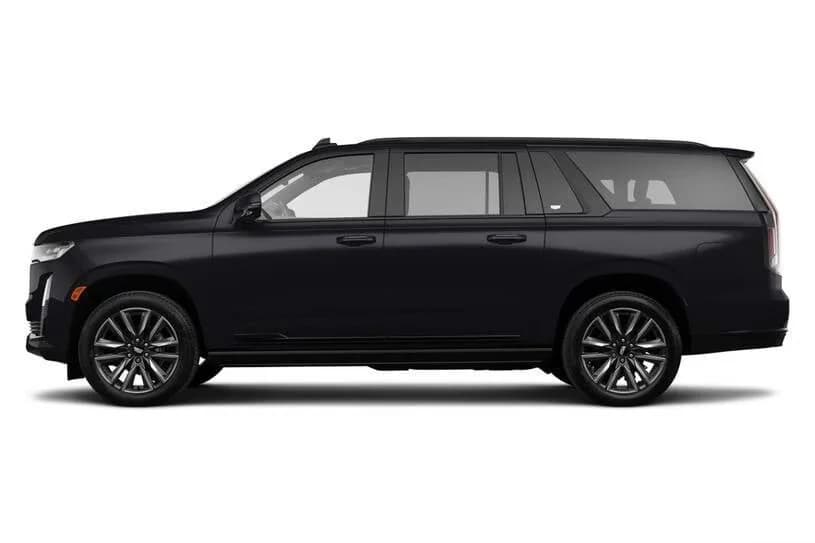
The same vehicle and the same chauffeur cover the entire engagement on a single hourly hold from the Pearl District pre-event dinner through the venue drop, the in-event hold, and the post-event clear-route exit. The locked hourly rate runs continuously through the event window with no surge multiplier on a sold-out Friday, no after-buzzer upcharge, and no playoff premium. The 4-hour drop-hold-return runs $440 on the Volvo S90, $540 on the Cadillac Escalade ESV, and $660 on the Mercedes-Benz Sprinter, which fit a couple, a family or hospitality group of four to six, and a fan-club or bachelor-party block of up to fourteen respectively. The full standing dispatch profile sits on the Portland group transportation page for repeat groups.
The booking pattern fits a wider Portland-evening framework where the venue evening is one piece of a longer chauffeur day. A Pearl District pre-event dinner at Andina or Mediterranean Exploration Company stages 90 minutes before tip-off or curtain on the same booking. A post-event drop at a downtown hotel for an out-of-town visitor closes the night without a fresh dispatch. A late-evening transfer to PDX for a redeye flight after a sold-out Saturday concert runs on the same vehicle and the same chauffeur. A continuation to a downtown rooftop bar or a Pearl District nightcap fits the standard night on the town framework. The single-hourly-hold model holds whether the rider books the Moda evening as a standalone occasion or layers the venue stop into a longer Portland day, which is the operational detail that makes the chauffeur model different from a per-leg rideshare booking.
Pre-shift sobriety is a condition of the day for every Marquee chauffeur, who is a fully employed member of the payroll team with workers' comp coverage, an annual background check on file, and Portland private-for-hire permitting under continuous renewal since 2018. The $1 million commercial liability coverage holds across every Portland ride regardless of trip status. The chauffeur stages on the N Wheeler chartered service curb through the event window, monitors the assigned vehicle, and runs the post-event exit at the close of the dwell on the routing the dispatcher confirmed in the morning. The same chauffeur is on the curb at the close of the encore or the buzzer that pulled the rider up to the venue 4 hours earlier. There is no rotating driver, no second pickup, and no scramble for a confirmed ride at the close of the night.
Locked 2026 Rates
Moda Center Post-Event Chauffeur Pricing
| Vehicle | Hourly rate | 4-hour drop-hold-return | Best for |
|---|---|---|---|
| Volvo S90 | $110 / hour | $440 | Solo or couple |
| Cadillac Escalade ESV | $135 / hour | $540 | Groups of 4 to 6 |
| Passenger Sprinter | $165 / hour | $660 | Groups of 7 to 14 |
No surge multiplier on a sold-out Friday, no after-buzzer upcharge, and no playoff premium. The number on the email confirmation is the number on the final invoice. See the full 2026 pricing guide.
“Edris — has absolutely hands down have to be the best driver ever. I would absolutely recommend his service! He's so professional, so efficient. On time and so respectful!”
Frequently Asked
Questions, Answered.
How long does the post-event traffic actually last after a Moda Center game or concert?
The heaviest post-event traffic at Moda Center holds for 30 to 45 minutes after the final buzzer or the encore. SE 1st Avenue and SE 11th Avenue feed the Burnside Bridge and Morrison Bridge eastbound queue and lock to a 5-to-8-mile-per-hour crawl across that window. The MAX Yellow Line at the Rose Quarter Transit Center runs at full crowd density across the same period. Most rideshare passengers wait 25 to 50 minutes for a confirmed ride against a 1.8x to 2.6x surge multiplier. The Marquee chauffeur clears the perimeter inside 8 to 12 minutes from a properly staged exit because the routing avoids the corridors that the general crowd flow locks down.
What's the best escape route from Moda Center to the Pearl District after a sold-out concert?
The cleanest run from Moda Center into the Pearl District after a concert is the Broadway Bridge across the Willamette to NW Lovejoy Street, then south on NW 9th Avenue to the booked Pearl address. Total time runs 7 to 10 minutes against a typical post-encore exit, compared to 25 to 35 minutes through the Steel Bridge or Burnside Bridge approaches that the rideshare and self-park crowd defaults into. The chauffeur stages on N Wheeler Avenue between Memorial Coliseum and Moda Center on the chartered service curb during the show, so the pull-forward to the bridge ramp does not cross the heavy pedestrian flow. The full Pearl-side dinner-and-drop pattern sits on the concert transportation page.
What's the best escape from Moda Center to Beaverton or the west side after a Trail Blazers game?
Beaverton and the west side run the Fremont Bridge across the Willamette to I-405 southbound, then the US-26 west exit toward Sylvan and Beaverton. The Fremont Bridge approach off N Williams Avenue and N Vancouver Avenue stays clear when the SE 1st corridor locks because the general post-Blazers crowd flow funnels south through SE Portland rather than north over the Fremont. Total time from the Moda perimeter to the Sunset Highway runs 12 to 18 minutes on a typical sold-out Friday return, compared to 35 to 50 minutes via the Burnside or Morrison Bridge attempt. The chauffeur knows the corridor split on every booking.
What's the best escape from Moda Center to Lake Oswego after a game or concert?
Lake Oswego routes north over the Broadway Bridge to NW Lovejoy Street, then south on I-405 to I-5 southbound, exiting at Terwilliger or Macadam toward Lake Oswego. The route reverses the typical Lake-O-to-Moda inbound pattern and clears the Marquam Bridge merge that the SE-corridor general traffic backs up. Total time runs 22 to 28 minutes from Moda perimeter to a Lake Oswego residential drop on a clear post-buzzer run, compared to 45 to 60 minutes if the routing falls into the I-5 southbound merge from N Williams Avenue. The Lake Oswego chauffeur profile ties to the same residential pickup-drop standing dispatch.
How does pre-event drop differ from post-event pickup at Moda Center?
Pre-event drop runs at the SE 11th Avenue chartered service curb 30 to 45 minutes before tip-off or curtain for a general-admission concert or game. Suite-level ticket holders use the south-side suite porte-cochere drop with credentialed access from the venue Suite Concierge. Post-event pickup stages on N Wheeler Avenue between Memorial Coliseum and Moda Center on the chartered service curb to keep the chauffeur clear of the rideshare staging zone in the parking garage and the general-admission egress flow on N MLK Jr Boulevard. The pre-event and post-event addresses are not the same curb, which is the operational detail that separates a chauffeur run from a self-parking exit.
Should I take MAX or a chauffeur for a Trail Blazers home game?
MAX Yellow Line works for a solo or pair game-day plan inbound when the crowd density at the Rose Quarter Transit Center is reasonable and the rider does not mind the standing-room return. The chauffeur model fits four-to-fourteen-passenger groups, suite hospitality, and any booking where a Pearl District dinner stops on the front end and a clean post-event exit matters on the back end. The MAX return after a sold-out Friday sits at full standing-room density for 25 to 40 minutes after the buzzer, which is a different comfort profile than the climate-controlled Cadillac Escalade ESV cabin holding on N Wheeler with the rear door open as the rider walks out. The two products fit different occasions.
How does the chauffeur know which post-event exit to take on a given night?
Dispatch confirms the post-event exit pattern on the morning of the event based on the venue, the expected crowd profile, the weather, and the rider's drop address. A Pearl District drop after a Wednesday night Theater of the Clouds show runs the Broadway Bridge approach with no special routing because the smaller crowd does not lock the SE corridor. A Lake Oswego drop after a sold-out Saturday Trail Blazers playoff game runs the Fremont Bridge to I-405 southbound on the dispatch sheet because the Burnside Bridge eastbound queue stretches past the typical clear-route window. The chauffeur reviews the routing before the drop and pre-stages on the right corridor side of the venue.
What about Trail Blazers playoff overflow and the streets around Moda Center?
Trail Blazers playoff games push the post-event clear-out window from the standard 30-to-45-minute band to a 45-to-75-minute lock on the SE 1st and SE 11th corridors, with overflow crowds on N MLK Jr Boulevard and N Vancouver Avenue. The Burnside Bridge eastbound queue stretches to 30 to 45 minutes against a clear-route 6 to 9. The chauffeur staging shifts to N Wheeler Avenue at the chartered service curb closer to Memorial Coliseum to keep distance from the heaviest pedestrian and self-park flow. Post-game routing leans on the Fremont Bridge to I-405 over the Broadway Bridge during playoffs because the Broadway approach picks up Pearl-side foot traffic that the Fremont bypass clears entirely.
What does a Moda Center post-event chauffeur run actually cost?
The standard 4-hour drop-hold-return window covers a Pearl District pre-event dinner, the SE 11th drop, the in-event hold, and the post-event return on a single locked hourly booking. The Volvo S90 at $110 per hour runs the block at $440 for solo and couple bookings. The Cadillac Escalade ESV at $135 per hour runs the same block at $540 for groups of 4 to 6. The Mercedes-Benz Sprinter at $165 per hour runs the block at $660 for groups of 7 to 14. No surge multiplier on a sold-out Friday, no after-buzzer upcharge, no playoff premium. The full rate card sits on the 2026 pricing guide.
About the Author
Ilyas Khairi is the founder of Marquee Chauffeur, a Portland luxury black car and chauffeur service operating under Portland Bureau of Transportation certification since 2018 with $1 million in commercial liability coverage. He and his team of fully employed, background-checked chauffeurs have run thousands of Portland venue, airport, and wine-country transfers, including the Moda Center and Rose Quarter post-event corridor covered in this guide.
Verified Google Reviews
What Portland clients say about Marquee Chauffeur.
I spent six hours touring the Columbia River Gorge with the owner of this service, and I was really impressed with his professionalism, attentiveness, and local knowledge. As he says, they really are like a chauffeur/concierge, not just taking you from one place to another but providing a full experience. I look forward to riding with them again on my next trip.
Edris — has absolutely hands down have to be the best driver ever. I would absolutely recommend his service! He's so professional, so efficient. On time and so respectful!
These guys are terrific. Two thumbs up. Found them online and got excellent personal service. Used them to get from PDX to about two hours away …. And then back to PDX a few days later. On time. Super professional drivers. Vehicles in spectacular shape. Brand new. They will be out go to service. We recommend them highly.
Marquee Chauffeur holds a 5.0 rating across 198 Google reviews. Read every review on Google.
Reserve Your Chauffeur
Reserve a Portland
Chauffeur Now.
Book your Moda Center post-event chauffeur with Marquee. Call (503) 706-8662, available 24/7. Locked $110 per hour Volvo S90, $135 per hour Cadillac Escalade ESV, and $165 per hour Mercedes-Benz Sprinter on the standard 4-hour drop-hold-return window. The chauffeur stages on the N Wheeler Avenue chartered service curb between Memorial Coliseum and Moda Center, then exits via the Broadway Bridge to NW Lovejoy and I-405 northbound for a Pearl District drop or via the Fremont Bridge to NE Williams toward NE Killingsworth for an Alameda residential, clearing the perimeter in 8 to 12 minutes against a 25-to-50-minute rideshare wait. The same routing logic clears both a concert encore audience and a Trail Blazers buzzer crowd. Licensed and permitted since 2018, $1 million commercial liability, fully employed chauffeurs on payroll with annual background checks.