

From Abroad, Walked Through
Hillsboro Airport Transfers The International Arrival, Solved.
Nobody explains the arrival on the plane. You land at PDX off a long-haul, and between the jet bridge and the Hillsboro-bound car sits a sequence with its own rules: passport control, every bag claimed before customs, a shuttle ride most first-timers never expect, and an exit into the terminal opposite carousel 9. The airport says 20 to 90 minutes; the government's own measured data says most travelers do far better. This guide walks the whole sequence with the real numbers attached, and ends with the transfer built to absorb every minute of its variance.
By Ilyas KhairiFounder, Marquee ChauffeurLicensed and permitted since 2018
- Licensed & Permitted
- $1M Insured
- 5.0 / 198 Reviews
- W-2 Chauffeurs
- 35-Point Inspection
Last updated: September 23, 2026
By Ilyas Khairi, Founder of Marquee Chauffeur · Licensed and permitted since 2018 · Updated September 23, 2026
TL;DR
The PDX international sequence: passport control, claim all bags, customs, shuttle, exit opposite carousel 9. Officially 20 to 90 minutes; by CBP's measured data for a recent month, most passengers cleared within 15 minutes, nearly 87 percent within 30, worst hour 61. A tracked, hourly-billed transfer with a 30-minute grace window (45 on international arrivals) is built for exactly that spread, and the chauffeur waits at the only correct meeting point: carousel 9.
The relocation-arrival occasions live on the arrivals occasions guide, assisted-travel handoffs on the assisted-travel guide, and corridor corporate accounts on Hillsboro executive car service.
01 The Sequence
What Actually Happens Between
The Jet Bridge And The Curb?
PDX publishes the order of operations: deplane, passport control, claim every checked bag, U.S. customs and agriculture, then a short shuttle bus to the terminal that deposits arrivals on the baggage claim level opposite carousel 9, with the whole process officially estimated at 20 to 90 minutes depending on lines and secondary screening. Two details surprise first-timers every day: the bags come off before customs even when you are connecting onward, a recheck center takes them back afterward, and the shuttle ride means the person meeting you should be standing at carousel 9, not at a gate, not at the curb, and not at the rideshare garage.
The carousel 9 fact
Forum threads ask why PDX internationals ride a bus, and the practical answer matters more than the architectural one: the exit point is fixed, and it is opposite carousel 9. Our international meets stage exactly there, name board up, which is the single most useful sentence in this guide for anyone collecting a traveler.
The bags-before-customs rule
Customs clearance happens at your first U.S. airport with your luggage in hand, everywhere, always. Travelers connecting through PDX claim, clear, and recheck; travelers ending here walk out with everything. The rule confuses every first-timer once and never again.
Who lands here from abroad
PDX's nonstop international map runs to Amsterdam, London Heathrow, Reykjavik, and seasonal Frankfurt, plus Vancouver, Calgary, and the Mexico resorts. Every one of those flights feeds the same sequence and the same carousel, which keeps the meeting craft mercifully uniform.
The anxious first-timer
The forums' recurring voice is the nervous first international flyer asking what customs is like, and the honest answer deflates the fear: it is a line, a scan, and a question or two, choreographed daily for thousands. Knowing the sequence in advance is most of the calm, which is this page's job.

02 The Real Numbers
What The Government's Own
Wait Data Actually Shows.
CBP publishes measured wait times for PDX on its airport wait-time site, and a recent month's data tells a friendlier story than the 90-minute banner: across 145 international arrivals and more than 28,000 passengers, the average hourly wait ran about 13 minutes, a majority of travelers cleared within 15, nearly 87 percent within 30, and 96 percent within the hour, while the single worst hour recorded hit 61 minutes. U.S. passport holders averaged around 11 minutes against roughly 17 for foreign passports, and the busiest arrival banks clustered near midday and through the evening. The lesson for planners is the spread, not the mean: most arrivals walk out fast, and the occasional bad hour is real, which is precisely the variance a transfer should absorb so the traveler never has to.
Why the spread matters most
A timestamped pickup bets on the average; a tracked transfer prices the whole distribution. When the traveler clears in 12 minutes the car is already there, and when the wait runs long, the grace window absorbs it without a renegotiation. Planning to the spread is the entire craft.
The passport gap
Foreign-passport travelers waited about five minutes longer on average in the measured month, a small number with a large audience in this county: thousands of Hillsboro households host visiting parents and relatives who arrive on exactly those passports, and their pickups should budget the difference.
The connection warning
The travelers who ask whether an hour is enough for customs are usually holding an onward boarding pass, and the data answers soberly: usually yes, occasionally catastrophically no. Two hours covers the distribution; one hour gambles against the tail on a ticket that may not forgive losing.
Check it yourself
The wait-time site is public and queryable by airport and date, one of the quiet gifts of government data. Five minutes there before a tight itinerary tells you more than any forum thread, and it is the same source our dispatch reads when an international file opens.
03 The Fast Lanes
Global Entry, Mobile Passport,
And Who Should Bother.
Global Entry is the committed traveler's lane: $120 for five years, a background check and in-person interview to enroll, expedited clearance at the kiosks on arrival, with CBP's own caveat that members can still be selected for further examination. In the measured PDX month, about one in seven arriving passengers used it. For everyone else, CBP's own advice points to the free option: Mobile Passport Control, an app that files your information before you reach the officer, no fee, no enrollment, no interview. The honest sorting: fly internationally more than about twice a year and Global Entry earns its fee; otherwise the free app plus PDX's measured waits cover you.
Hosting an arriving traveler and unsure how to time the pickup? Dispatch reads the flight and the data for you: (503) 706-8662.
The kiosk moment, demystified
First-time Global Entry users ask the forums what actually happens, and the answer is anticlimactic by design: no card shown, no paperwork, the kiosk or portal captures and clears. The program's whole product is the absence of a line, which takes some members a trip to trust.
The family asymmetry
Membership is individual: a Global Entry holder cannot carry a spouse through the fast lane, which is why traveling households either enroll together or plan to reunite at the carousel. The pickup plan should assume the slowest passport in the party, not the fastest.
The visitor's reality
Visiting parents on foreign passports have no fast lane and the longer average wait, which makes their arrival the case this guide exists for: a tracked car, a patient chauffeur at carousel 9 with a name board, and a family that planned the timing so nobody stands in an arrival hall wondering.
Currency, SIMs, and first stops
The practical trio waits on the far side of customs, and the transfer absorbs it gracefully: an ATM beats airport exchange rates as a rule, a SIM can wait for the destination, and the first stop, dinner, a pharmacy, a grocery run for the guest room, folds into the ride home on request.

04 The Hillsboro Half
Why This City Meets So Many
International Flights.
Hillsboro is wired to the world by payroll: Intel's own newsroom calls Oregon its largest concentration of facilities and talent worldwide, an operation running here since 1974 and still expanding its development fab through multi-billion-dollar investments. The census adds the household layer: beyond the city's naturalized citizens, some fifteen thousand residents are foreign-born non-citizens, the visa-holding households most likely to host parents and relatives arriving on foreign passports into those longer average waits. The transfer craft answers both: corporate arrivals met at carousel 9 and paced to a first meeting, family arrivals met the same way and paced to bedtime, because the evening arrival banks deliver travelers into Hillsboro at the exact hour their bodies want to surrender. Matching the cabin to bags and bodies runs through the PDX vehicle selection guide.
The jet-lag pace
An arrival off a ten-hour flight is not a passenger to hurry: the cabin runs quiet, the climate runs warm, the route runs smooth, and the chauffeur's questions wait for morning. Jet-lag-aware pacing costs nothing and is remembered longer than anything else on this page.
The hourly logic, applied
International meets are the strongest case for hourly-billed patience over timestamped pickups: the vehicle stages against the flight's actual gate time, waits through the sequence at the booked rate, and the 30-minute grace window (45 on international arrivals) covers the customs tail. The product-choice logic lives on the transfers-versus-hourly guide.
The corporate arrival file
Visiting engineers and executives land into standing files: carousel 9 meet, hotel or campus first stop, the week's schedule already shared with dispatch. The corridor's international rhythm is this operation's home fixture, and the craft is documented across this program's corporate guides.
The rates, arrival-blind
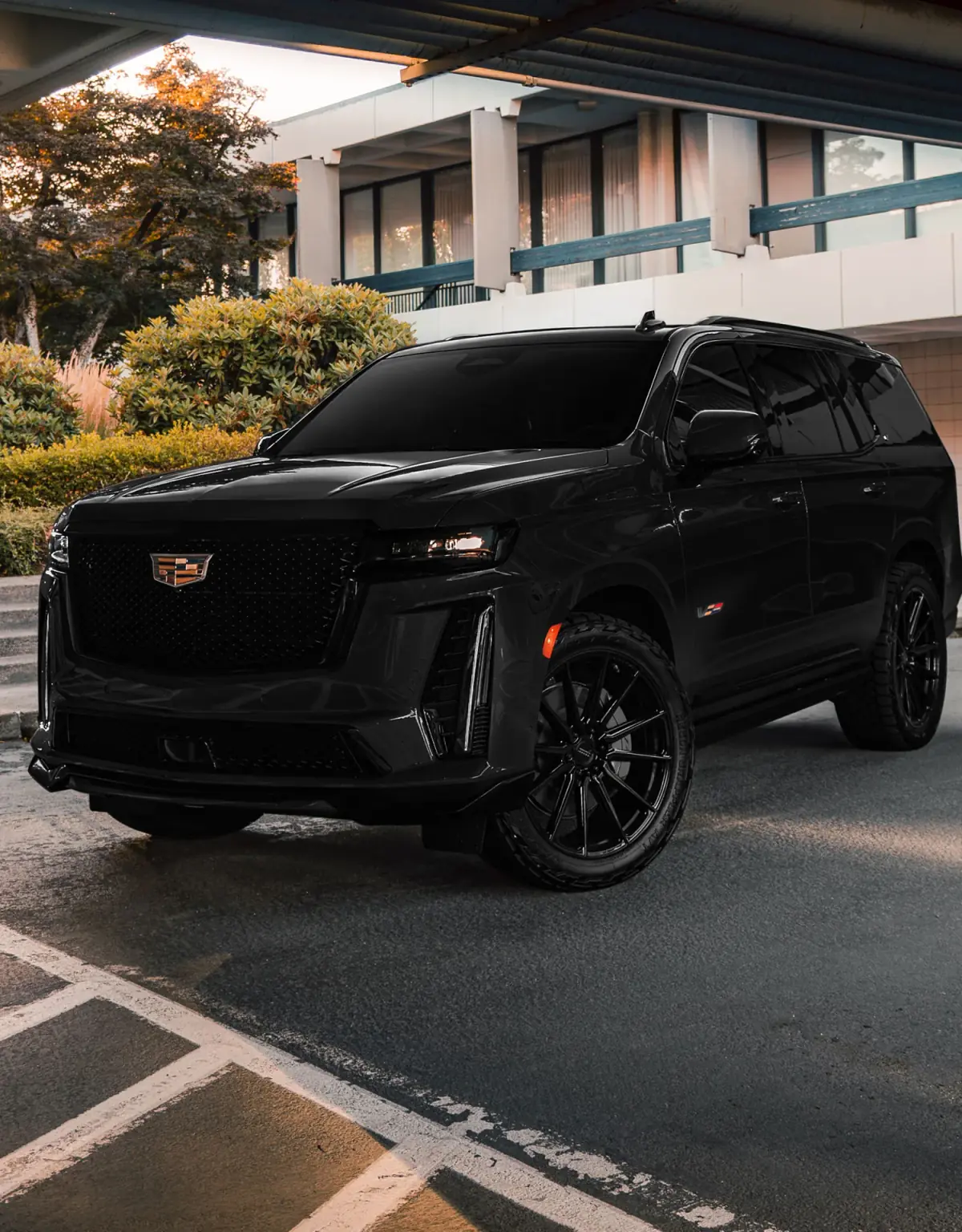
S90 at $110 per hour, Escalade ESV at $135 with the luggage room long-haul travel demands, Sprinter at $165 for delegations and family waves, tracked from wheels-up with the grace window on every arrival. The sequence has variance; the quote does not.
Frequently Asked
Questions, Answered.
How long does it take to get through customs at PDX airport?
The airport's official estimate spans 20 to 90 minutes including the shuttle to the terminal. The measured reality is kinder: CBP's own wait-time data for a recent month shows most arriving passengers cleared within 15 minutes and nearly 87 percent within 30, with the worst single hour recorded at 61 minutes. Plan around the spread, not the average.
What happens when you land from an international flight?
The sequence at PDX runs deplane, passport control, claim every checked bag, customs and agriculture, then a short shuttle ride that delivers you to the terminal's baggage claim level opposite carousel 9. Bags come off before customs even if you are connecting onward; a recheck center takes them back afterward.
How do I use Global Entry when I land?
Skip the standard passport line for the Global Entry kiosks or portals, complete the capture, and proceed, no card required at the airport. Membership costs $120 for five years with a background check and an in-person interview to enroll, and CBP notes members can still be pulled for further examination; it shortens the line, not the law.
Do you have to go through customs on a connecting international flight?
Yes, at your first U.S. airport, wherever that is. If PDX is your entry point, you clear passport control and customs here with your bags, then hand them to the recheck center for the onward flight. Travelers planning tight connections should read the wait-data section of this guide before trusting an hour.
Is 2 hours enough time to get through customs?
At PDX, almost always: the measured data shows 96 percent of arriving passengers clearing within an hour, and the official worst-case estimate tops out at 90 minutes including the shuttle. Two hours covers the process with margin for the bad hour; the section below shows which arrival windows run busiest.
Do international arrival pickups at PDX need to be booked in advance?
They should be: 24 to 48 hours ahead is standard, and more during the holiday and summer arrival banks, when the evening long-hauls cluster. Advance notice is what lets dispatch log the flight, read the customs data, and stage the chauffeur at carousel 9 with the name board before the shuttle door opens. A same-day international meet is still worth a call to (503) 706-8662.
About the Author
Ilyas Khairi runs Marquee Chauffeur under Portland Bureau of Transportation certification held since 2018, with $1 million in commercial liability and W-2 chauffeurs on payroll. His dispatch reads the government's customs data the way sailors read tide tables, and the carousel 9 name board is the company's most-practiced piece of choreography.
Verified Google Reviews
What Portland clients say about Marquee Chauffeur.
I spent six hours touring the Columbia River Gorge with the owner of this service, and I was really impressed with his professionalism, attentiveness, and local knowledge. As he says, they really are like a chauffeur/concierge, not just taking you from one place to another but providing a full experience. I look forward to riding with them again on my next trip.
Edris — has absolutely hands down have to be the best driver ever. I would absolutely recommend his service! He's so professional, so efficient. On time and so respectful!
These guys are terrific. Two thumbs up. Found them online and got excellent personal service. Used them to get from PDX to about two hours away …. And then back to PDX a few days later. On time. Super professional drivers. Vehicles in spectacular shape. Brand new. They will be out go to service. We recommend them highly.
Marquee Chauffeur holds a 5.0 rating across 198 Google reviews. Read every review on Google.
Reserve Your Chauffeur
Reserve a Portland
Chauffeur Now.
Land met, not managed: (503) 706-8662, available 24/7. International arrivals staged at carousel 9 with the flight tracked from wheels-up, the customs spread absorbed by the 30-minute grace window (45 on international arrivals), and a jet-lag-aware ride home to Hillsboro. Volvo S90 at $110 per hour, Escalade ESV at $135, Sprinter at $165, under Portland private-for-hire permitting since 2018 with $1 million in commercial liability.