

How It Works
FlightAware Tracking for PDX Pickups.
Your flight number rides into the dispatch board the moment you book, and the FlightAware feed watches that record until the wheels touch down at PDX. When a storm holds your inbound on the tarmac, the chauffeur waits it out at the entrance of the airport with no meter running. When the tailwind lands you early, dispatch pulls the car to your door before the carousel even starts turning. Thirty minutes of post-touchdown grace come standard, forty-five on international arrivals on every commercial pickup, no surcharge attached. The one place the live feed stops is private aviation, those arrivals run through the FBO desk on their own track.
By Ilyas KhairiFounder, Marquee ChauffeurLicensed and permitted since 2018
- Licensed & Permitted
- $1M Insured
- 5.0 / 198 Reviews
- W-2 Chauffeurs
- 35-Point Inspection
Last updated: September 14, 2026
By Ilyas Khairi, Founder of Marquee Chauffeur · Licensed and permitted since 2018 · Updated September 14, 2026
TL;DR
FlightAware tracking is built into every Marquee PDX pickup at no cost. Your tail number enters dispatch when you book, the live wheels-down feed reroutes the chauffeur whether you land late or early, and the 30-minute grace window (45 on international arrivals) starts at touchdown, not your scheduled time. A rideshare reads only the ETA you typed in and starts metering once its contractor arrives. Same flight, two very different pickups.
Booking details sit on PDX airport car service and how to book a PDX airport chauffeur; private-jet arrivals are on the Atlantic Aviation chauffeur guide.
01 The Booking Flow
Tail Number Enters Dispatch
At The Moment Of Reservation.
Tracking begins at the reservation, not at the gate. When you book, the flight number lands in the assignment next to the airline code, the arrival date, and the origin city, and the dispatch board ties that record to your pickup window. From there the live FlightAware feed begins polling the flight on its own. You can supply the details through the form on PDX airport car service, by email, or by voice with the live dispatcher at (503) 706-8662. The full field-by-field booking sequence lives on how to book a PDX airport chauffeur.
One number does all the work. Without a flight identifier the booking is a point-to-point ride; with it, the same booking becomes a monitored arrival that dispatch watches in real time. That is why the reservation form treats the airline code and flight number as the anchor of an airport assignment rather than an optional extra, and why the dispatcher reads it back to you on a phone booking before the confirmation goes out.
What dispatch captures
Five fields feed the FlightAware record: airline code, flight number, arrival date, origin city, and scheduled arrival time. Around them, dispatch logs the rider name, the destination address, the requested vehicle, and any preference, a child seat, a particular still water in the door. Everything else is comfort; the flight identifier is the one field that separates a tracked PDX arrival from an ordinary ride across town.
Confirmation timing
The confirmation email lands within ten minutes of booking, naming your chauffeur, the assigned vehicle, a direct cell number, and the flight on file. That same record prints onto the chauffeur's morning ride sheet, so the chauffeur knows your tail number before leaving the garage. Nothing about the tracking depends on you checking in or resending the flight on the day you travel.
Updates and changes
Rebooked onto an earlier connection? A call to (503) 706-8662 or a reply to your confirmation email is all it takes. Dispatch swaps the FlightAware record on the assignment in minutes and carries the change through to the chauffeur's ride sheet before shift. The locked hourly rate and the grace window stay exactly where they were, a flight change is a record update, not a new booking.
Commercial PDX only
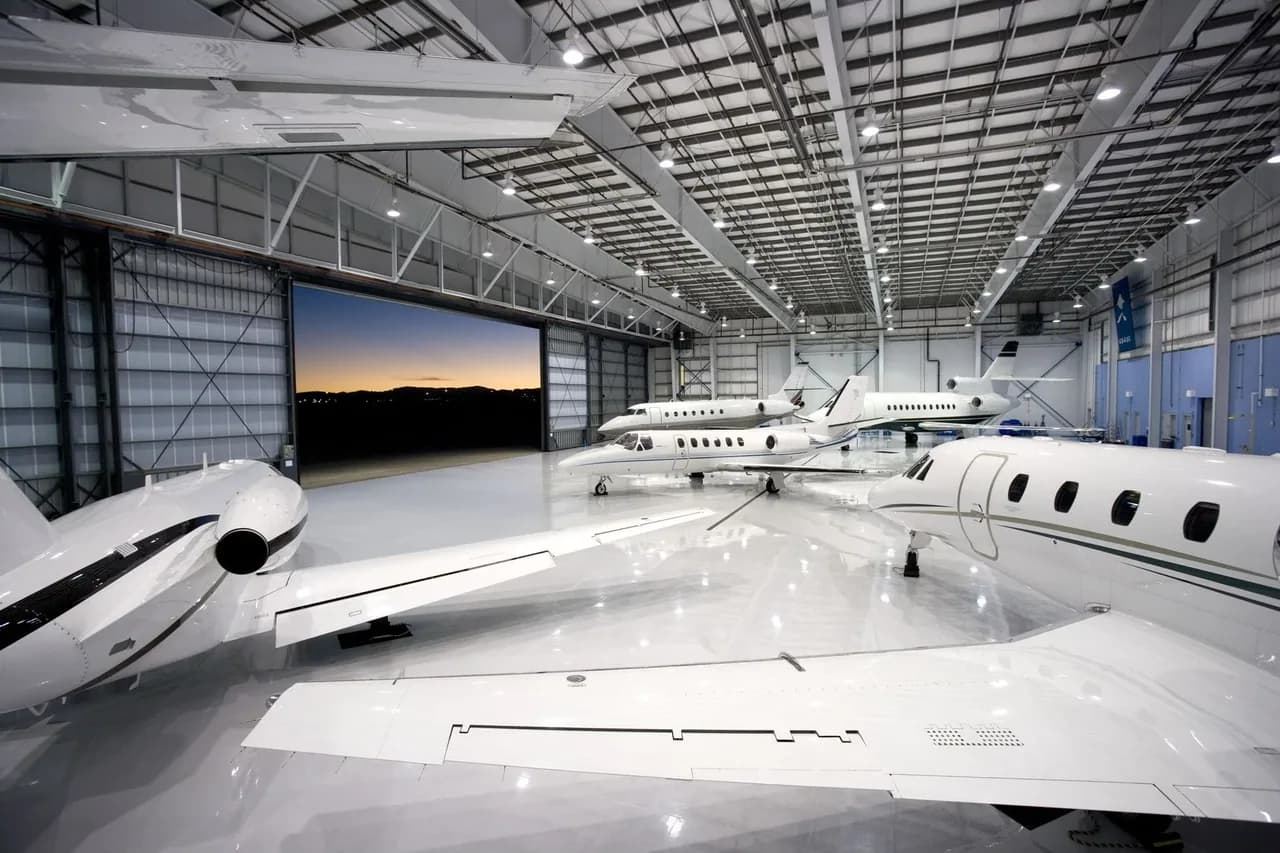
The feed works wherever an airline files a public flight plan into the PDX arrivals board. Private tail numbers do not flow through that pipeline, so they route to the FBO desk instead. The Atlantic Aviation sequence, ramp clearance, baggage, the walk from aircraft to cabin, sits on the Atlantic Aviation chauffeur guide, on a dispatch track of its own.
02 Live Wheels-Down Feed
Touchdown Triggers The Reroute,
Not The Scheduled ETA.
The reroute fires on touchdown, the instant the aircraft meets the runway at PDX. At that timestamp the dispatch board flips the assignment from monitoring to active and pushes the chauffeur a notification carrying the gate, the baggage carousel, and the staging cue for the lower roadway. A scheduled ETA is only a forecast; wheels-down is a recorded fact, and the entire workflow runs on the fact. That distinction is the whole game against rideshare scheduled-arrival dispatch, which we lay out on chauffeur vs Uber Black.
Because the trigger is real rather than predicted, the chauffeur's timing absorbs whatever the day throws at it, a ground stop, a gate hold, a fast taxi to the jet bridge. The chauffeur is not guessing from a printed schedule; the dispatch board is reading the same air-traffic record an airline operations desk would, then translating it into one instruction: pull to the door now, or hold a little longer.
Weather-delayed Alaska from SEA
Take a 9:30 PM Alaska arrival from SEA running ninety minutes behind on a wet February Tuesday. The chauffeur sits tight at the entrance of the airport through the delay, no circling the roadway, no short-term parking ticket. FlightAware posts the real touchdown at 11:00 PM, the car pulls to the curb with your water already chilled, and the grace window runs to midnight against the rate you were quoted. Nothing on the invoice moves.
Early Delta arrival from ATL
The same logic runs in reverse. A 6:45 PM Delta from ATL that lands twenty-five minutes early at 6:20 PM pushes its timestamp to dispatch, and the chauffeur is at the numbered pick-up location before the carousel opens. You walk off the jet bridge and meet your named chauffeur at the lower roadway instead of waiting at baggage claim. Early landings are the smaller share of arrivals, but they prove the feed cuts both ways.
Where the car waits before touchdown
On a commercial arrival the chauffeur is at the entrance of the airport ahead of the landing, watching FlightAware and the baggage status together, and dispatch repositions the car to your door in 8 to 12 minutes from the wheels-down call. Door numbers, the livery-versus-taxi lane split, and the meet-up choreography are mapped on the PDX pickup location guide.
No meter on the wait
Those first thirty minutes after touchdown carry no meter and no surcharge, forty-five on an international arrival, however long the car waited beforehand. A flight that lands at 11:47 PM after a 9:30 PM schedule simply starts its window at 11:47 PM. Past the window, the chauffeur holds at the curb on the booked vehicle's hourly rate, a published number, never a figure negotiated while you stand on the sidewalk with your bags.
03 Why It Matters
Live Data Versus
Scheduled-Arrival Dispatch.
Hand the same delayed flight to a rideshare app and to a FlightAware-integrated chauffeur, and they behave nothing alike. The app works off the ETA you entered at booking and assigns a gig contractor roughly fifteen minutes ahead of that planned time, a contractor with no view of the live wheels-down feed, the gate change, or the diversion. A weather delay forces a fresh request after the meter already opened on your original ETA. The chauffeur side simply reads the live data and repositions the named chauffeur, no rebooking and no metered wait. The deeper operating-model contrast is on chauffeur vs black car service.
The gap comes down to which clock each system trusts, and the consequences compound from there, what you pay, who shows up, and whether anyone is even watching when your gate changes after you land. The three differences below are where travelers feel it most.
Two different inputs
One system trusts the time you typed into an app; the other trusts the time the aircraft actually hit the runway. On a clear day the two agree within a few minutes. On a weather day, or through messy hub routing, they split wide apart. Marquee dispatch runs on wheels-down, the rideshare contractor app runs on scheduled arrival, and that single choice of input is what makes the same flight produce two different pickups.
Cost predictability
A metered contractor billing from your original ETA charges for wait time once a short grace period lapses, and the fare swells past the quote the longer you run late. Marquee holds the locked hourly rate or flat airport quote through the included grace window after touchdown. For a travel manager closing out the month in QuickBooks, that shows up as one steady line item instead of a variable surge fare to explain.
Chauffeur continuity
When a contractor waits out the brief grace period and cancels, a new request fires the instant you clear baggage claim, and you get whoever happens to be nearest, in whatever vehicle. Marquee keeps your named chauffeur on the assignment through the delay, so the same Volvo S90 and the same trained chauffeur meet you no matter how late the flight ran. That continuity matters most for a first international arrival or an executive who expects the chauffeur from the confirmation.
Diversions and gate changes
Divert to SEA, EUG, or RDM and FlightAware catches it in real time: the assignment flips to manual oversight and the dispatcher calls and texts you the recovery plan. A gate change after landing reshuffles the chauffeur's staging from one door to another without you lifting a finger. Scheduled-arrival logic handles neither case on its own, both are simply routine dispatch behavior on the chauffeur side.
04 Limits Of The Integration
Commercial Arrivals Only,
Private Aviation On A Separate Track.
The feed has one hard boundary: it covers commercial arrivals, where the airline files a public flight plan through the FAA system. Private aviation lives on a different framework. Tail numbers do register with FlightAware, but the arrival itself is run from the FBO concierge desk rather than commercial dispatch logic. Atlantic Aviation operates the dominant FBO at PDX, coordinating ramp clearance, baggage, and the walk from wheels-down to waiting cabin through its concierge. The full private-side workflow, ramp protocol, staging rules, chauffeur coordination, is on the Atlantic Aviation PDX chauffeur guide.
None of that makes the private track a lesser experience, it is simply a different one, with the concierge filling the role the public feed plays on the commercial side. Riders who move between the two on a single trip get both handled on one account, which is the point of the section below.
Why FBO is different
Commercial flights fly under FAA-filed plans that FlightAware reads live; private flights file too, but their wheels-down event never enters that public pipeline. The concierge holds the inbound timing on a desk-level system and grants the chauffeur ramp access directly. It is a genuinely different protocol, not a downgrade, a separate staging spot, separate ramp credentials, and a separate baggage sequence.
Coordination through the concierge
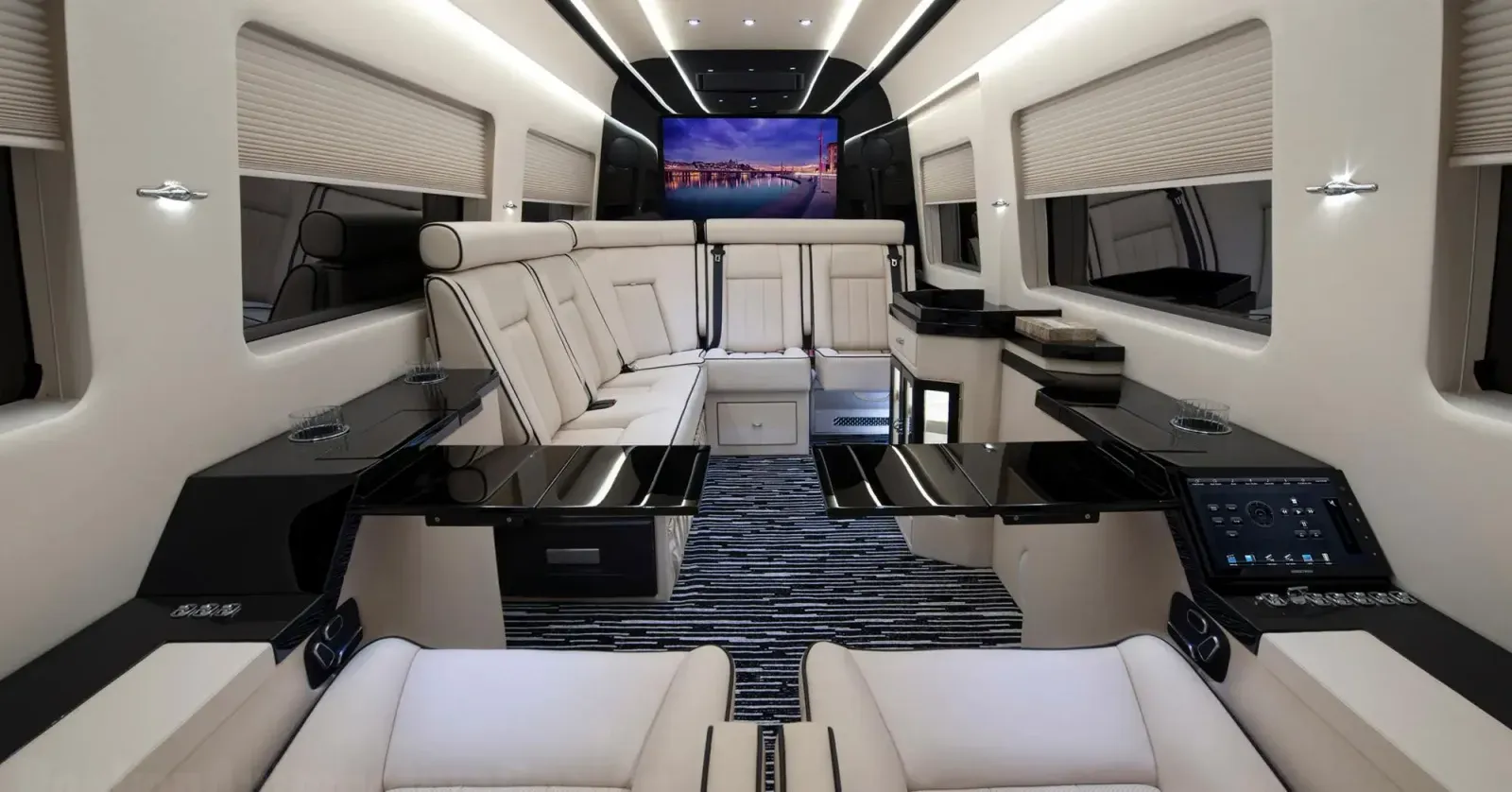
Marquee lines up Atlantic Aviation arrivals with the FBO concierge on the morning of the trip, and the chauffeur takes ramp and staging instructions from that desk rather than the FlightAware feed. The Volvo S90, Escalade ESV, or Sprinter waits in the FBO lot, engine ready, until the aircraft reaches the ramp and the concierge releases the car to the gate, the same handoff whether the inbound is a Cessna Citation, a Gulfstream G-650, or a Bombardier Challenger.
Booking through both channels
Plenty of trips mix the two. A commercial arrival from JFK on Monday rides the FlightAware feed to the lower roadway; a private departure to Sun Valley on Wednesday runs through the FBO concierge at the Atlantic Aviation ramp. The dispatcher threads both onto the same corporate account and one consolidated invoice. Running two protocols adds nothing beyond the standard hourly rates on the vehicles you booked.
No upcharge on either side
Neither track carries a premium. FlightAware tracking is free on commercial arrivals, and concierge coordination is free on private ones. The post-touchdown grace, 30 minutes domestic and 45 international, applies on the commercial side; the private side keys its timing to the concierge release instead, because the FBO clock simply works differently. Both are standard dispatch behavior, not paid upgrades.
05 What It Costs
Tracking Included,
Rates Locked By Vehicle.
Flight tracking is part of the service, not a line item, the price you see is the price of the car. Every PDX pickup runs on the booked vehicle's locked hourly rate (or a flat airport quote), with the FlightAware feed and the first hour after touchdown folded in. The full rate card sits on the 2026 pricing guide.
| Vehicle | Hourly rate | Seats | Flight tracking |
|---|---|---|---|
| Volvo S90 | $110 / hour | Up to 3 | Included |
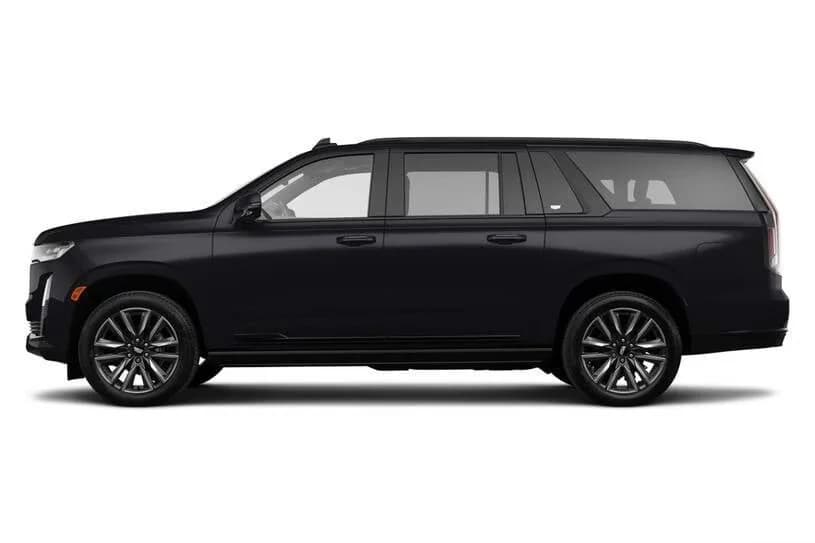
| Cadillac Escalade ESV | $135 / hour | Up to 6 | Included |
| Passenger Sprinter | $165 / hour | Up to 14 | Included |
The 30-minute grace window (45 on international arrivals) after wheels-down is included on every vehicle. No delay surcharge, no surge. Marquee operates under Portland Bureau of Transportation certification with $1 million commercial liability.
“Used them to get from PDX to about two hours away and back a few days later. On time. Super professional drivers. Vehicles in spectacular shape. Our go-to service.”
Frequently Asked
Questions, Answered.
How do I share my flight number when I book a PDX pickup?
The flight number goes into the tail-number field on the booking form along with the airline code, the arrival date, and the origin city. A booking by phone with the live dispatcher at (503) 706-8662 captures the same fields by voice. Once the booking confirms, the dispatch board attaches the flight identifier to the assignment and the FlightAware feed starts polling that record. The chauffeur receives the flight identifier in the morning ride sheet alongside the rider name, the pickup window, the destination, and the requested vehicle. The flight number is the single piece of information that turns a generic PDX pickup into a tracked PDX pickup.
What happens if my flight number changes after I book?
Call the dispatcher at (503) 706-8662 or reply to the booking confirmation email with the updated flight identifier and the new arrival time. Dispatch swaps the FlightAware record on the assignment within minutes and the chauffeur receives an updated ride sheet before the start of shift. The change does not require a new booking and does not affect the locked hourly rate or the included grace window. Travelers who connect through a hub like SEA, SLC, or SFO sometimes change to an earlier flight on the day of travel, and the swap process handles that case the same way.
What about flights that get diverted to other airports?
When weather or operational issues divert a PDX-bound flight to alternate fields like SEA, EUG, or RDM, FlightAware reflects the diversion on the dispatch board within minutes of the gate change. The dispatcher reaches out to the rider by text and phone to confirm the new arrival point and the recovery plan. Marquee covers the same locked hourly rate to the new airport when the chauffeur is already in route, and a fresh booking covers the case where the flight is grounded overnight and the rider continues by ground the next morning. Diversions sit in dispatch as their own assignment status with manual oversight rather than automated handling.
How late will the chauffeur wait at PDX?
The included grace window runs 30 minutes after the FlightAware-confirmed wheels-down time on a domestic arrival and 45 on an international one, with no meter on the wait. Beyond that window, the chauffeur stays at the curb on a per-hour rate that matches the booked vehicle. The grace window starts at touchdown rather than at the originally scheduled arrival time, so a two-hour weather delay does not eat into the 60 minutes. For a Volvo S90 booking on a flight that lands at 11:47 PM after a delay from a scheduled 9:30 PM arrival, the included pickup window runs to 12:47 AM with the chauffeur already at the entrance of the airport tracking baggage claim status.
Does FlightAware work for international PDX arrivals?
Yes, FlightAware tracks international arrivals at PDX the same way it tracks domestic arrivals. The wheels-down time triggers the dispatch reroute, and the chauffeur factors in the longer customs and immigration timeline before pulling to the curb. Customs at PDX typically runs 30 to 60 minutes after deplaning depending on Global Entry status and connecting baggage volume. The chauffeur holds at the entrance of the airport through customs processing and pulls to the lower-roadway pickup once the rider clears the customs hall and reaches baggage claim.
What about FBO and private aviation arrivals at PDX?
Private aviation runs on a different protocol. FlightAware does track private tail numbers, but the arrival workflow at the FBO uses the FBO desk for clearance rather than commercial dispatch logic. Marquee coordinates Atlantic Aviation arrivals through the FBO concierge and stages the chauffeur on the ramp side of the gate when permitted. The full Atlantic Aviation workflow including ramp protocol, baggage handling, and the sequence from wheels-down to vehicle is on the Atlantic Aviation chauffeur guide.
What if my phone is dead and the chauffeur cannot reach me?
The chauffeur tracks baggage claim status from the entrance of the airport using the FlightAware feed and the PDX baggage carousel data, then pulls to the assigned door at the lower roadway when the bags arrive. Marquee chauffeurs hold a printed greeting sign with the rider name on every airport pickup, so the rider can find the vehicle without a phone call. The dispatcher remains on the booking through the pickup window in case the rider reaches a charging station or a kiosk and wants to confirm the door number. The phone-dead scenario is built into the standard pickup protocol rather than treated as an exception.
How does FlightAware tracking differ from rideshare scheduled-arrival tracking?
Rideshare apps run on the planned ETA submitted at booking and dispatch a gig contractor about 15 minutes before that planned arrival. The contractor does not see the live wheels-down feed, the gate change, or the diversion. A weather-delayed flight running two hours late triggers a fresh dispatch request after the rideshare meter started running on the original ETA, which means the rider often pays for wait time on a contractor who left after a short grace window. FlightAware integration on the chauffeur side reads the live data and reroutes the chauffeur accordingly without a new booking and without metered wait time.
Do you charge extra for delays on PDX pickups?
No. FlightAware tracking and the 30-minute grace window (45 on international arrivals) after wheels-down are included on every PDX pickup at no additional charge. The locked hourly rate or flat airport quote holds regardless of how long the flight runs late, and the chauffeur absorbs the delay on the same assignment rather than meter against the booking. The cost predictability is one of the operational differences between a chauffeur company on hourly rates and a metered app dispatch. For a flight that runs 90 minutes late on a Volvo S90 pickup, the invoice matches the original quote rather than expanding to cover the wait.
Can I track my chauffeur back to the pickup point?
The dispatcher sends a text confirmation when the chauffeur is en route to the curb with the door number and the vehicle description. Marquee does not run a public-facing live-track app for the chauffeur side because the dispatcher manages route timing against the FlightAware feed and the baggage claim status more accurately than a generic ETA estimate. The text confirmation pattern matches the booking style used by corporate riders who prefer named-chauffeur coordination rather than app-based tracking.
About the Author
Ilyas Khairi is the founder of Marquee Chauffeur, a Portland luxury black car and chauffeur service operating under Portland Bureau of Transportation certification since 2018 with $1 million in commercial liability coverage. He and his team of fully employed, background-checked chauffeurs run thousands of PDX arrivals a year, including the FlightAware-tracked pickup workflow described in this guide.
Verified Google Reviews
What Portland clients say about Marquee Chauffeur.
I spent six hours touring the Columbia River Gorge with the owner of this service, and I was really impressed with his professionalism, attentiveness, and local knowledge. As he says, they really are like a chauffeur/concierge, not just taking you from one place to another but providing a full experience. I look forward to riding with them again on my next trip.
Edris — has absolutely hands down have to be the best driver ever. I would absolutely recommend his service! He's so professional, so efficient. On time and so respectful!
These guys are terrific. Two thumbs up. Found them online and got excellent personal service. Used them to get from PDX to about two hours away …. And then back to PDX a few days later. On time. Super professional drivers. Vehicles in spectacular shape. Brand new. They will be out go to service. We recommend them highly.
Marquee Chauffeur holds a 5.0 rating across 198 Google reviews. Read every review on Google.
Reserve Your Chauffeur
Reserve a Portland
Chauffeur Now.
Book your PDX pickup with FlightAware tracking included. Call Marquee Chauffeur at (503) 706-8662, available 24/7. The tail number enters dispatch at booking, the live wheels-down feed reroutes the chauffeur on delays or early arrivals, and the 30-minute grace window (45 on international arrivals) after touchdown carries no extra charge. Volvo S90 at $110 per hour, Escalade ESV at $135 per hour, Sprinter at $165 per hour, all under Portland private-for-hire permitting with fully employed chauffeurs on payroll and $1 million commercial liability.