

North County, Door By Door
Battle Ground WA Airport Limo Service Rural Pickups, Done Precisely.
City pickups are solved problems: number on the door, curb out front. North Clark County plays a different game, acreage parcels where the GPS pin lands at the road instead of the house, gravel lanes longer than a city block, gates with codes, and departures at hours when the county is fully dark. Battle Ground sits at the center of that geography, and this guide is how professional pickups actually work across it, from the addressing grid to the last hundred feet of driveway.
By Ilyas KhairiFounder, Marquee ChauffeurLicensed and permitted since 2018
- Licensed & Permitted
- $1M Insured
- 5.0 / 198 Reviews
- W-2 Chauffeurs
- 35-Point Inspection
Last updated: September 23, 2026
By Ilyas Khairi, Founder of Marquee Chauffeur · Licensed and permitted since 2018 · Updated September 23, 2026
TL;DR
Rural Battle Ground pickups run on knowledge GPS does not have: Clark County addresses are literal coordinates on a 20-blocks-per-mile grid, the pin marks your driveway's road access rather than your house, and county code itself defines what a long driveway must provide, twelve feet of width past 150 feet and a turnaround past 300. Our booking notes capture the rest: gate, surface, approach, and where the vehicle stops. Airport transfers are accepted 24 hours ahead, and the transfer itself is quoted point-to-point at booking. The route guide maps the run itself.
The first-timer's booking walkthrough lives on the Battle Ground booking guide, the route math on the Battle Ground to PDX guide, and event vehicles on Battle Ground limo service.
01 The Grid
Your Address Is Secretly
A Set Of Coordinates.
Clark County's addressing code divides the entire county into quadrants from two Vancouver baselines, Division Street and First Street extended, then numbers the land at twenty blocks to the mile with an address available every twenty-five feet. Read one like a chauffeur does and it becomes navigation: an address on NE 172nd Avenue sits 172 blocks, about 8.6 miles, east of the north-south baseline, before any app renders a map. The county built the system, in its own words, to help emergency responders find you, and a good dispatch board uses it for exactly the same reason.
Reading north county fluently
Even-numbered addresses sit north and west of their block line, odd ones south and east, so a practiced chauffeur knows which side of the road your gate is on from the number alone. On an unlit county road at 3:45 a.m., that one detail replaces three slow passes with one confident arrival.
The district we actually serve
The county's current council map puts Battle Ground in the north-county district with Yacolt, La Center, and Ridgefield, and that is honestly how the dispatch board sees it too: one continuous service geography from town grid to foothill lane, with Yacolt, the county's smallest incorporated town, as much home ground as Main Street.
Hockinson and the in-between
The unincorporated middle, Hockinson, Brush Prairie, Venersborg, is where addresses read urban and land reads rural, and it produces more pickup confusion than anywhere else in the county. Our notes there lean on physical landmarks; Hockinson Meadows Community Park, 240 acres at 10910 NE 172nd Ave in Brush Prairie, anchors half of them.
Why the grid beats the app
Map apps interpolate; the grid legislates. When the two disagree on acreage, the county code is right and the pin is guessing, and the operator who knows which to trust arrives at the house instead of idling at the wrong end of a quarter-mile lane.
02 The Pin Problem
Why Does GPS Put Your House
In The Wrong Place?
Two structural reasons, both documented. First, the federal GPS program office itself explains that apps buy their address maps from private companies, satellites provide only signals, and reported corrections can take weeks or months to appear. Second, by county code your official address describes where your driveway meets the road, not where the house sits, so on flag lots and acreage the pin is legally correct and practically useless. Meanwhile the state's next-generation 911 system routes emergency calls on county GIS data, which is why the official grid stays the ground truth worth trusting.
The flag-lot special
Flag lots, houses reached by a narrow strip between neighbors, get in-between address numbers under county code, and they defeat delivery drivers daily; local forums are a museum of pins dropped in the wrong field. Our fix is unglamorous: we ask, we write it down, and the note outlives the booking.
The questions everyone asks
Why is my address not showing up, how do I fix the pin, what if the map refuses my street: the same questions fill search boxes from every rural county in America. The fixes are worth filing with the map companies, and none of them should be a precondition for catching a flight.
What the booking note holds
Approach road and direction, gate location and code handling, driveway surface and length, where to stop, and what the porch light situation is at 4 a.m. Five lines, gathered once at booking, and every future pickup at your address inherits them.
The confirmation habit
Rural assignments get a night-before confirmation that includes the approach as we understand it, so any correction happens over coffee rather than over headlights. The last hundred feet of a pickup should never be improvised, and with notes, it never is.
03 The Fit
Will The Vehicle Actually Fit
Down Your Driveway?
The county answered before we did. Clark County's access standards require driveways over 150 feet to provide twelve feet of clear all-weather width with thirteen and a half feet of overhead clearance, and drives beyond 300 feet to end in an approved turnaround. A turnaround built to the code's fire-apparatus standard is a circle of at least ninety feet in diameter, and Mercedes-Benz lists turning diameters of 45 to 52 feet curb to curb across its Sprinter passenger-van wheelbases. Where the terminus was built to that standard the van turns on the property; where it was not, dispatch checks the lane in advance. The exceptions are older lanes grandfathered past the rules, and those we handle by plan, not by attempt.
Not sure which category your lane is? Describe it to dispatch and get a straight answer: (503) 706-8662.
When we come to the door
Code-built drives, paved or solid gravel, with a turnaround or loop: the vehicle comes to the house, loads under the porch light, and departs nose-first. That is the default on newer acreage, and the booking note simply confirms it.
When we stage at the road
A narrow, soft, or turnaround-less lane gets road staging: vehicle positioned at the driveway mouth at the agreed minute, headlights angled away from the house, chauffeur walking up for the bags. Thirty extra seconds of walking beats any amount of reversing in the dark.
The quiet protocol
Predawn rural departures are engineered not to wake anyone: no horn ever, idling minimized, dome lights managed, dogs anticipated because the note mentioned them. The household sleeps, the traveler leaves, and the standard holds at an hour nobody witnesses it.
Which vehicle takes acreage
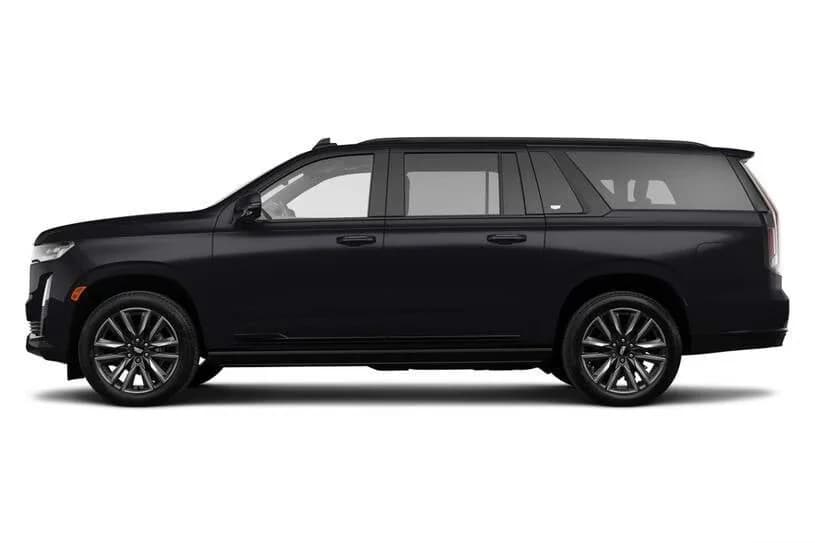
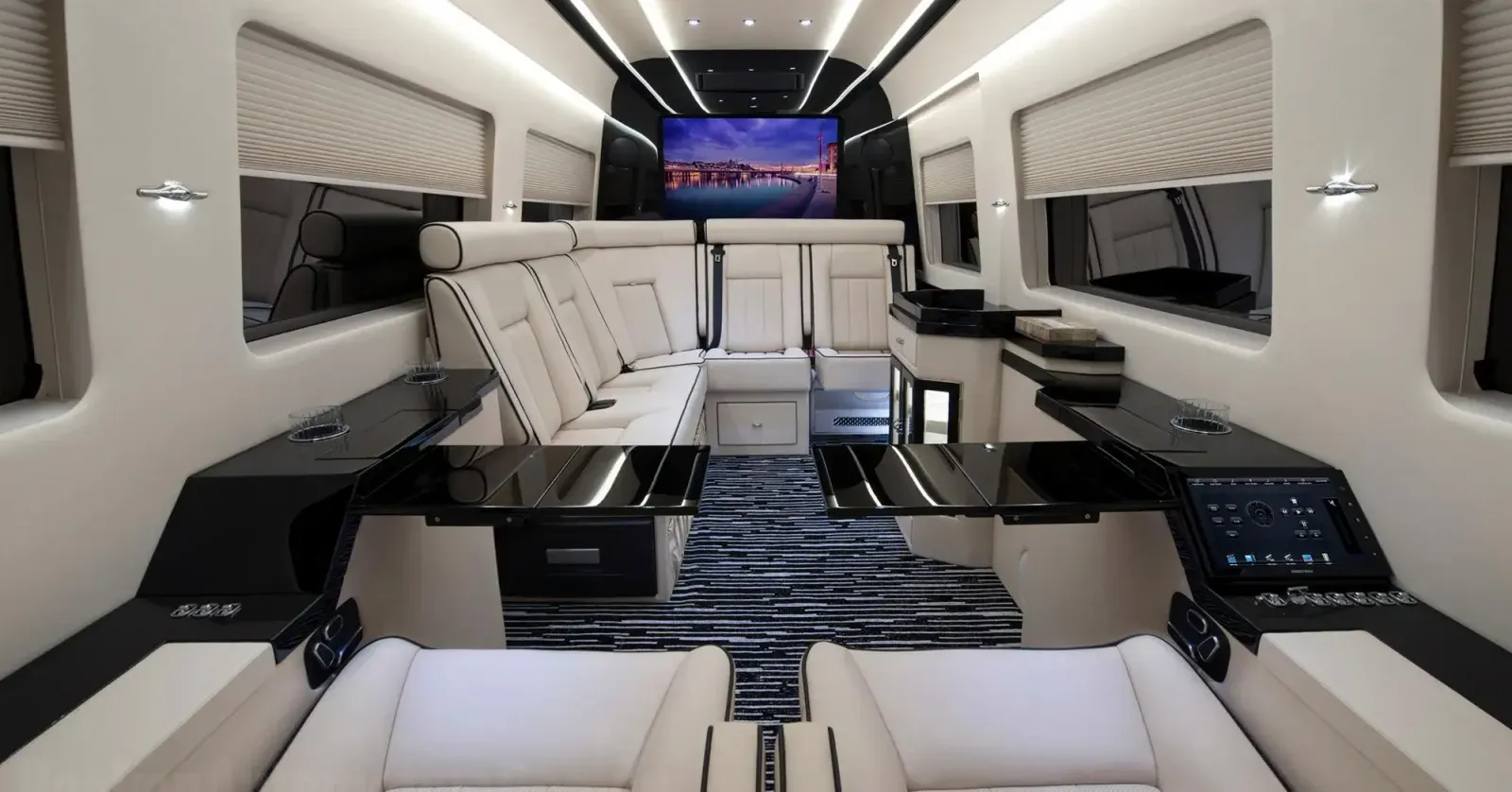
The Escalade ESV takes most rural singles and families, gravel-comfortable and indifferent to weather; the Passenger Sprinter takes groups where the drive allows or stages at the road where it does not; the S90 keeps the paved approaches. Assignment follows the driveway, and the driveway is in the notes.
04 The Return Leg
What About Getting Home
To The Acreage At Midnight?
The return trip is where rural travelers get burned, and the forum record is unambiguous: riders from small towns nationwide report that apps which happily sold the ride to the airport show an empty map for the ride home. Battle Ground's own late-night reality matches. A pre-arranged return closes that loop before you ever fly: the flight is tracked, the 30-minute grace window (45 on international arrivals) covers the slow bag carousel, and the vehicle that knows your driveway is at the curb when you clear the doors, at midnight exactly as at noon. On that late return, a named greeter from the PDX meet-and-greet service can be waiting at the carousel before you reach the curb.
The one-way trap
Getting to PDX from acreage is the easy half; the 11:40 p.m. return to a dark county road is where on-demand quietly fails, and riders in identical rural markets say so in their own words. Book both legs together with the PDX airport car service and the trap never springs.
The winter footnote
County plows prioritize arterials, which the route guide covers in full, and rural lanes answer to nobody's schedule but the weather's. Winter acreage pickups inherit the same staging judgment as everything else on this page, decided the night before with the forecast open.
The occasion version
Weddings at rural venues, milestone send-offs from the family property, group departures from a foothill reunion: the occasion work rides on the same rural craft, with the Passenger Sprinter carrying the party. Event detail lives on the Battle Ground limo page.
Rates, indifferent to gravel
The S90 books at $110 per hour, the Escalade ESV at $135, the Passenger Sprinter at $165, the same on a quarter-mile lane as on Main Street. Rural is a craft consideration on our side of the phone, never a surcharge on yours.
Frequently Asked
Questions, Answered.
Why is my address not showing up on GPS?
Because navigation apps buy their maps from private companies, not the government; the official federal guidance notes GPS satellites provide only location signals, and map fixes can take weeks or months to propagate. New rural parcels and flag lots lag worst, which is why our dispatch confirms the actual approach with you instead of trusting the pin.
Can you get an Uber in rural areas?
Sometimes, in one direction. Rural riders across the country report the same pattern: a driver may accept the lucrative airport run out, but the return trip home to a small town at 11 p.m. finds an empty map. A pre-arranged car commits to both directions before you fly, which is the entire difference.
How do you get your address added to GPS?
Report the correction through each map provider's own process, then wait; the federal GPS program office warns updates can take weeks or months to verify and appear. Until then, give services your driveway's practical description. Our booking notes hold exactly that: approach road, gate, surface, and where to stop.
Do limo services pick up at rural addresses?
Licensed operators do, and the good ones treat acreage pickups as a craft: approach confirmed at booking, staging planned for the driveway's width and turnaround, headlights and idling managed so a 3:45 a.m. departure does not wake the household or the animals. North Clark County is home ground for our dispatch team, not an exception to it.
Will a Sprinter fit down a long driveway?
Down a driveway built to Clark County's access code: the county requires twelve feet of clear width on drives over 150 feet and an approved turnaround past 300 feet. Mercedes-Benz publishes a 45-to-52-foot turning diameter for its Sprinter passenger vans, so dispatch checks the turnaround against that figure before confirming the booking. Where an older lane runs narrower, dispatch stages at the road, planned in advance rather than discovered at dawn.
Does an acreage pickup in Battle Ground cost more than a town address?
No. The rate card ignores the gravel: Volvo S90 at $110 per hour, Escalade ESV at $135, Passenger Sprinter at $165, all-in with the 20 percent service fee included, and the airport transfer itself is quoted firm at booking. A quarter-mile driveway, a gate, or road staging changes our notes, never the number. Gratuity stays optional and is never added for you.
About the Author
Ilyas Khairi runs Marquee Chauffeur, which has operated under Portland Bureau of Transportation certification since 2018 and carries $1 million in commercial liability, Washington-side permits, and W-2 chauffeurs on payroll. The rural protocol in this guide exists because north county taught it to him one driveway at a time, and the notes file remembers so no client has to explain twice.
Verified Google Reviews
What Portland clients say about Marquee Chauffeur.
I spent six hours touring the Columbia River Gorge with the owner of this service, and I was really impressed with his professionalism, attentiveness, and local knowledge. As he says, they really are like a chauffeur/concierge, not just taking you from one place to another but providing a full experience. I look forward to riding with them again on my next trip.
Edris — has absolutely hands down have to be the best driver ever. I would absolutely recommend his service! He's so professional, so efficient. On time and so respectful!
These guys are terrific. Two thumbs up. Found them online and got excellent personal service. Used them to get from PDX to about two hours away …. And then back to PDX a few days later. On time. Super professional drivers. Vehicles in spectacular shape. Brand new. They will be out go to service. We recommend them highly.
Marquee Chauffeur holds a 5.0 rating across 198 Google reviews. Read every review on Google.
Reserve Your Chauffeur
Reserve a Portland
Chauffeur Now.
Get met at the right door, at any hour, on any lane. Call Marquee Chauffeur at (503) 706-8662, available 24/7, and describe your driveway once; the booking notes carry it forever. Volvo S90 at $110 per hour, Escalade ESV at $135, Passenger Sprinter at $165, every Battle Ground airport booking with FlightAware tracking, a 30-minute arrival grace window (45 on international arrivals), and no rural surcharge, under Portland private-for-hire permitting since 2018 with $1 million in commercial liability.